
 Pin It
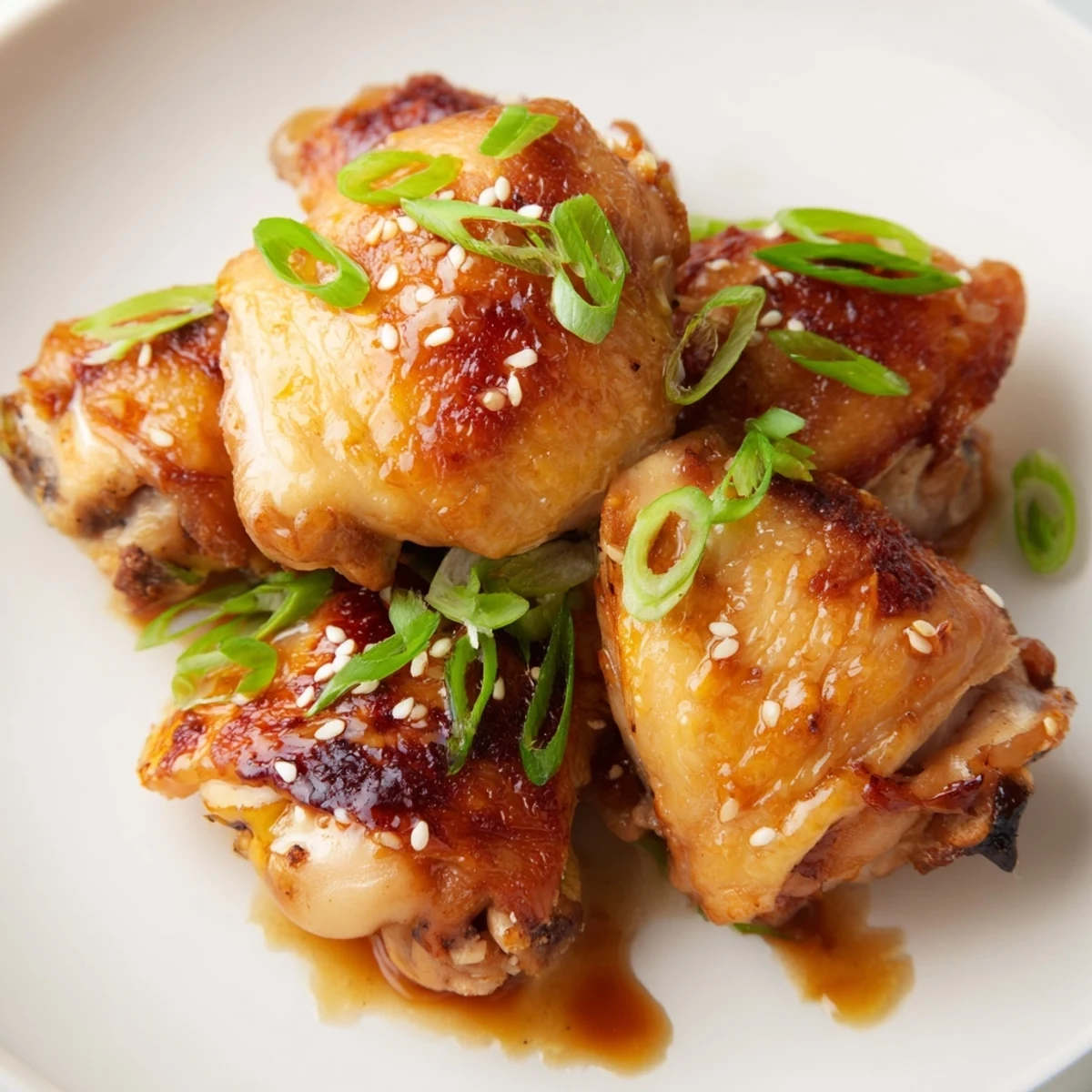
 These succulent bone-in chicken thighs deliver incredible flavor through a simple yet effective technique. The skin-on pieces render beautifully while roasting, creating that coveted crispy exterior. The homemade teriyaki glaze strikes the perfect balance between salty soy and sweet honey-mirin, penetrating deep into the meat during marination. Oven roasting ensures even cooking and renders fat properly, while basting builds multiple layers of glossy coating. The result is juicy, tender meat with sticky caramelized edges that pairs perfectly with steamed rice.
The smell of teriyaki caramelizing in the oven is enough to make anyone appear in the kitchen doorway, pretending they were just passing through. My apartment in my twenties had a tiny oven that ran hot, and I scorched more batches of chicken than I care to admit before learning how to manage the glaze. This dish became my Sunday ritual, the one thing I could count on to make a cramped kitchen feel like home.
A college roommate once walked in while I was basting these and declared it smelled better than any takeout we had ordered in months. We sat on the floor with plates balanced on textbooks, burning our fingers picking the chicken up by the bone. That was the night I realized food does not need a dining table to bring people together.
Ingredients
- Bone in, skin on chicken thighs (8, about 1.5 kg): The skin renders its fat during roasting and bastes the meat from the outside in, creating a texture you simply cannot replicate with boneless cuts.
- Soy sauce (1/3 cup): This is your salt and your depth, so use a decent one. I learned the hard way that cheap soy sauce tastes flat no matter what else you add.
- Mirin (1/4 cup): The sweet rice wine is what gives teriyaki its signature sheen and subtle sweetness. If you cannot find it, dry sherry with a squeeze of extra honey works in a pinch.
- Honey (2 tbsp): Helps the glaze set and adds a floral warmth that brown sugar alone cannot achieve.
- Brown sugar (2 tbsp): Deepens the caramel notes and helps the sauce cling to the chicken rather than sliding off.
- Rice vinegar (2 tbsp): A gentle acid that cuts through the richness and balances the sweetness so the dish never feels cloying.
- Garlic, minced (2 cloves): Fresh is nonnegotiable here. The jarred stuff tastes dusty and muted next to the bold flavors in this marinade.
- Fresh ginger, grated (1 tbsp): Grate it directly into the bowl so you catch every drop of juice. The aromatic heat it brings is irreplaceable.
- Sesame oil (1 tbsp): Just a tablespoon infuses the whole marinade with a nutty, toasty fragrance that smells like a Japanese kitchen.
- Cornstarch (1 tbsp, optional): Only needed if you want a thicker dipping sauce, which I almost always do.
- Water (2 tbsp, optional): Mixed with cornstarch to create a slurry that prevents lumps when you add it to the hot sauce.
- Green onions, thinly sliced (2): A fresh, sharp contrast sprinkled on at the end that wakes up every bite.
- Toasted sesame seeds (1 tbsp): They add a gentle crunch and visual appeal, and toasting them yourself takes only a dry pan and sixty seconds.
Instructions
- Whisk the marinade together:
- In a large bowl, combine the soy sauce, mirin, honey, brown sugar, rice vinegar, garlic, ginger, and sesame oil. Whisk until the honey dissolves and the mixture smells deeply savory with a sweet edge. Taste it on your fingertip. It should make you want more.
- Coat the chicken thoroughly:
- Add the chicken thighs and turn each piece until every surface glistens. Cover and refrigerate for at least thirty minutes, though overnight transforms the flavor into something genuinely special.
- Prepare the oven:
- Preheat to 200 degrees C (400 degrees F) and line a baking tray with parchment or foil. This saves you from scrubbing baked on teriyaki later, which is a chore nobody deserves.
- Arrange and begin roasting:
- Remove the chicken from the marinade, reserving every drop of liquid. Place the thighs skin side up on the tray so the fat renders down into the meat. Roast for twenty minutes before your first baste.
- Baste and finish roasting:
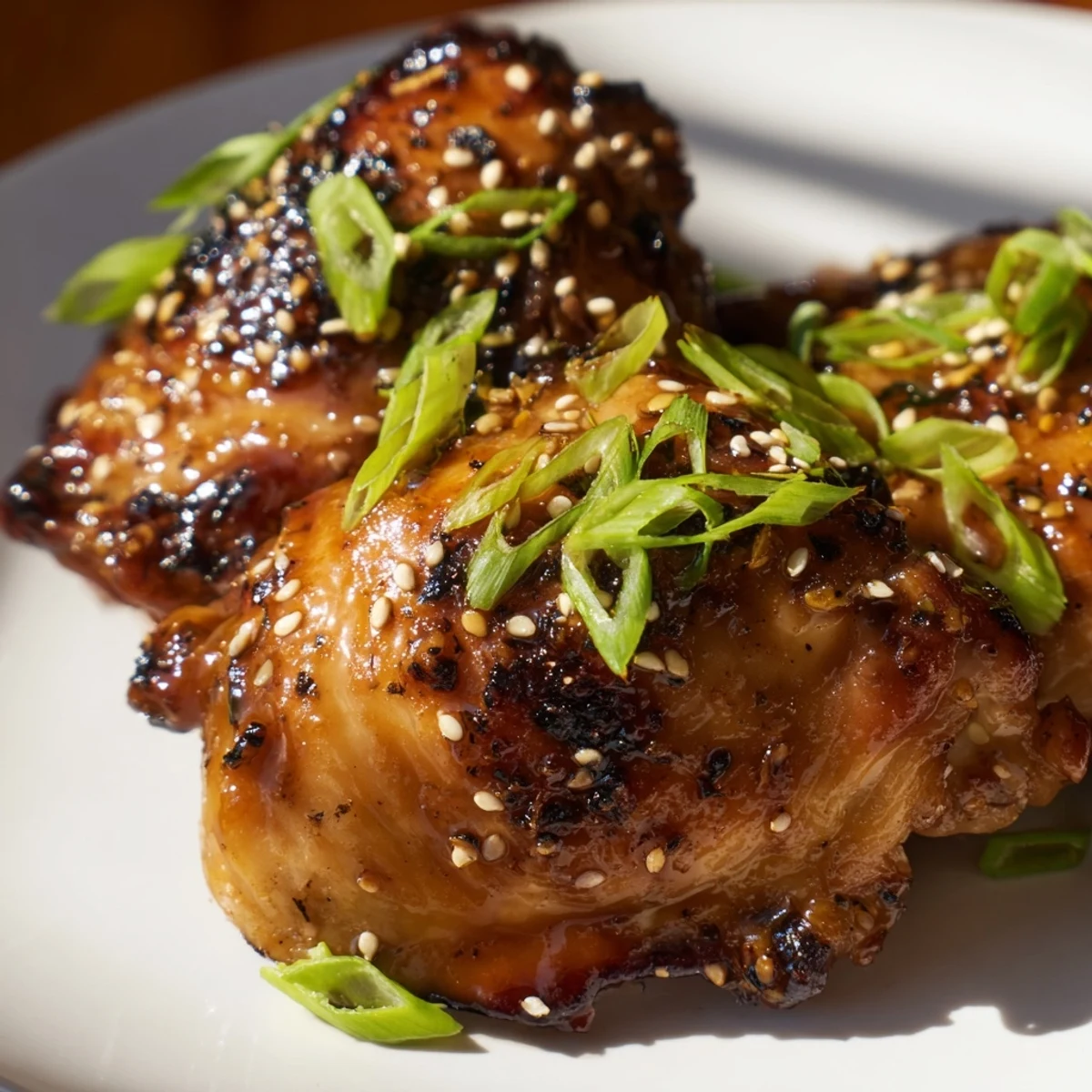
- After twenty minutes, brush the reserved marinade over each thigh generously. Continue roasting for another fifteen to twenty minutes until the skin turns a deep amber and the internal temperature hits 75 degrees C (165 degrees F).
- Reduce the sauce:
- While the chicken roasts, pour the remaining marinade into a small saucepan and bring it to a rolling boil. Stir in the cornstarch slurry if using, then simmer for three to five minutes until the sauce turns glossy and coats the back of a spoon.
- Glaze, garnish, and serve:
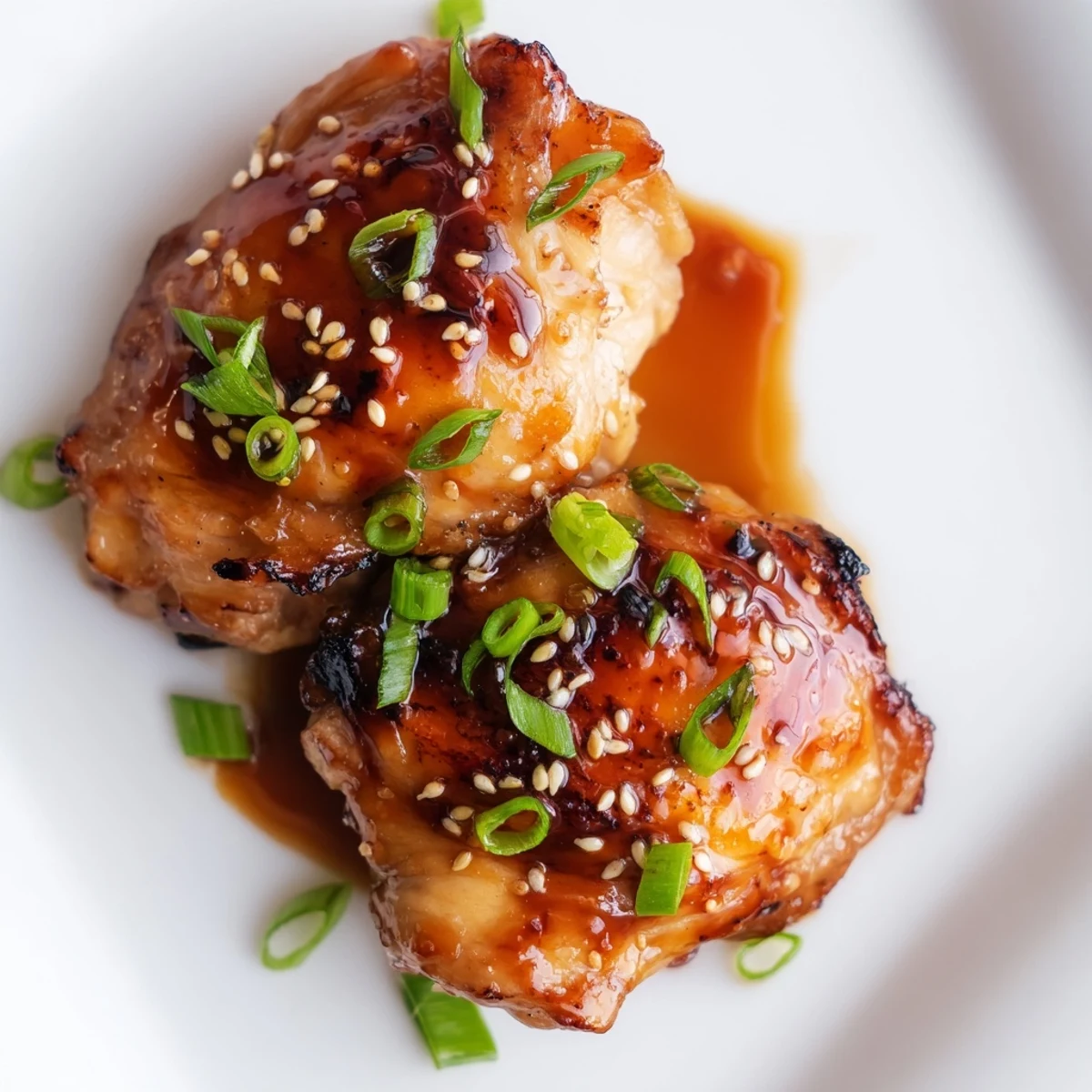
- Arrange the chicken on a platter, drizzle generously with the reduced sauce, and scatter the green onions and sesame seeds across the top. Serve immediately while the skin still crackles slightly.
 Pin It
 There was a rainy evening when I made this for a friend who had just received difficult news. We ate in near silence, tearing at the chicken with our hands, and she said afterward that it was exactly the kind of food she needed without knowing it.
What to Serve Alongside
Steamed white rice is the obvious partner because it soaks up the extra sauce like a sponge, but I have also served this over buttered noodles on lazy nights and nobody complained. A quick stir fry of bok choy or snap peppers adds crunch and freshness that balances the richness of the chicken beautifully.
Handling the Heat
Every oven has its own personality, and mine runs about fifteen degrees hotter than it claims. If your chicken starts browning too quickly, lay a loose sheet of foil over the top and let it finish cooking underneath. The skin will still be golden but will not cross into burnt territory.
Making It Your Own
Once you are comfortable with the base recipe, this dish invites improvisation. A pinch of chili flakes stirred into the marinade adds warmth without overwhelming the sweet and savory balance.
- Try swapping honey for maple syrup in autumn for a darker, earthier sweetness.
- If you are gluten sensitive, tamari works perfectly in place of soy sauce with no other changes needed.
- Always let the chicken rest for five minutes before serving so the juices redistribute rather than pooling on the plate.
 Pin It
 This is the kind of recipe that stays with you long after the plates are cleared. Make it once, and it will quietly become part of your regular rotation without asking permission.
Recipe FAQs
- → How long should I marinate the chicken?
-
Marinate for at least 30 minutes, but overnight marination yields the most flavorful and tender results. The longer marinating time allows the soy sauce and aromatics to penetrate deeply into the meat.
- → Can I use boneless chicken thighs instead?
-
Yes, boneless thighs work well but reduce cooking time to 25-30 minutes. Keep in mind bone-in pieces provide more flavor and stay juicier during roasting due to the bone and skin.
- → What can I substitute for mirin?
-
Dry sherry combined with a touch of extra honey makes an excellent substitute. You can also use Chinese cooking wine or simply increase the honey and add a splash more water.
- → How do I know when the chicken is done?
-
Use a meat thermometer to check for an internal temperature of 75°C (165°F) in the thickest part. The juices should run clear when pierced, and the skin should be golden brown and crispy.
- → Can I make this gluten-free?
-
Absolutely. Replace regular soy sauce with tamari or coconut aminos, and ensure your other ingredients are certified gluten-free. The cooking method remains exactly the same.