 Pin It
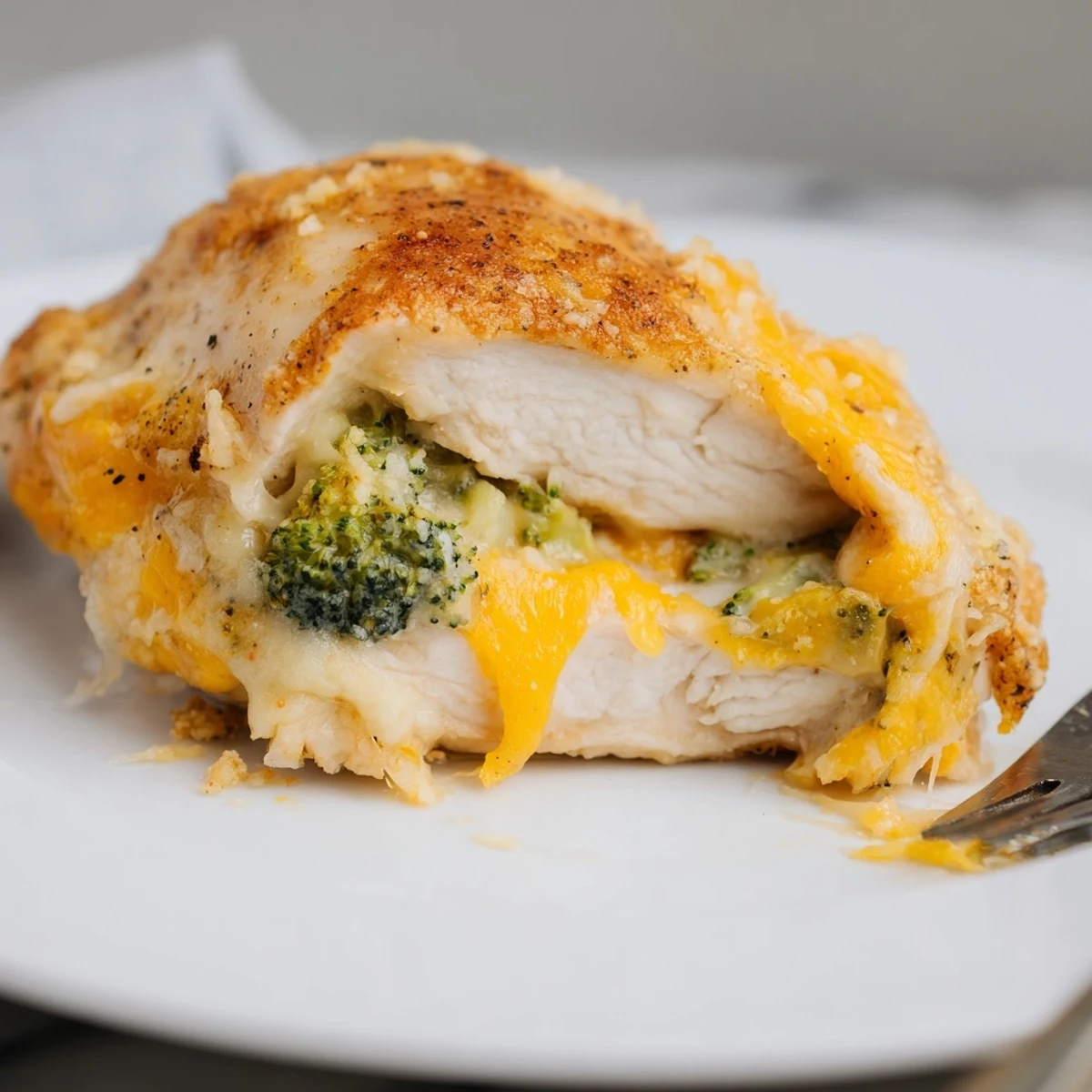
 Boneless chicken breasts are trimmed and a pocket is cut into each, then rubbed with olive oil and a garlic‑paprika salt mix. The filling blends finely chopped broccoli with cheddar, cream cheese, Parmesan and a touch of Dijon; fill the pockets and bake at 400°F for 25–30 minutes until the chicken reaches 165°F and the cheese bubbles. Let rest 5 minutes, remove toothpicks and serve with roasted vegetables or a crisp salad for a balanced, low‑carb entrée.
There’s something quietly thrilling about the hush in the kitchen right before the oven timer dings—especially when you know there’s cheesy, broccoli-stuffed chicken waiting on the other side. The first time I made this, it was a weeknight experiment fueled by a near-empty fridge and a craving for something just a little over the top. The aroma of bubbling cheese and toasted paprika drifting from the oven was promising enough to make me forget about the mess I’d made. By the time I carved into that golden, stuffed chicken, I was already plotting my next excuse to make it again.
One rainy Friday, these made their debut for friends who wandered in without warning—hungry and drenched. I barely had time to prep but the oohs and aahs when I sliced through the chicken at the table made up for the improvisation. There was laughter, a bit of kitchen chaos, and not a single crumb left behind.
Ingredients
- Boneless, skinless chicken breasts: Go for large, even pieces; I’ve found thinner ones can be tricky to stuff and tend to dry out.
- Olive oil: Helps the seasoning cling and gives a slight golden sheen after baking—no skipping.
- Garlic powder, paprika, salt, black pepper: This simple mix adds warmth and depth; I like to mix a big batch and use it for roasted veggies, too.
- Broccoli florets (finely chopped): Chopping them really small means the insides cook through and each bite gets a pop of veggies.
- Shredded cheddar cheese: Sharp cheddar is my pick for its bold flavor, but a milder cheese will make it extra gooey if that’s your thing.
- Cream cheese (softened): Makes the filling creamy enough to stay put instead of oozing everywhere.
- Grated Parmesan cheese: A handful brings a salty, nutty bite and helps the filling set up as it bakes.
- Dijon mustard: Adds a little sharpness that cuts through the richness—you’ll taste it in the best way.
- Minced garlic clove: Fresh garlic wins here; it mellows as it bakes and perfumes the dish.
Instructions
- Get the oven hot:
- Set your oven to 400°F (200°C) and either line your baking sheet with parchment or give it a light greasing so clean-up is a breeze.
- Mix the seasoning:
- Stir together your garlic powder, paprika, salt, and black pepper in a small bowl—you’ll thank yourself for prepping ahead.
- Prepare the chicken:
- Grab those chicken breasts, pat them dry, and use a sharp knife to cut a deep pocket in each—think of it like opening a pita but without slicing all the way through.
- Season with care:
- Rub olive oil and all the seasoning into the chicken, making sure to get inside every pocket and all over the outside for full flavor.
- Make the filling:
- In another bowl, toss together your finely chopped broccoli, both cheeses, Parmesan, Dijon, and minced garlic—don’t be afraid to get in there with your hands if needed.
- Stuff the chicken:
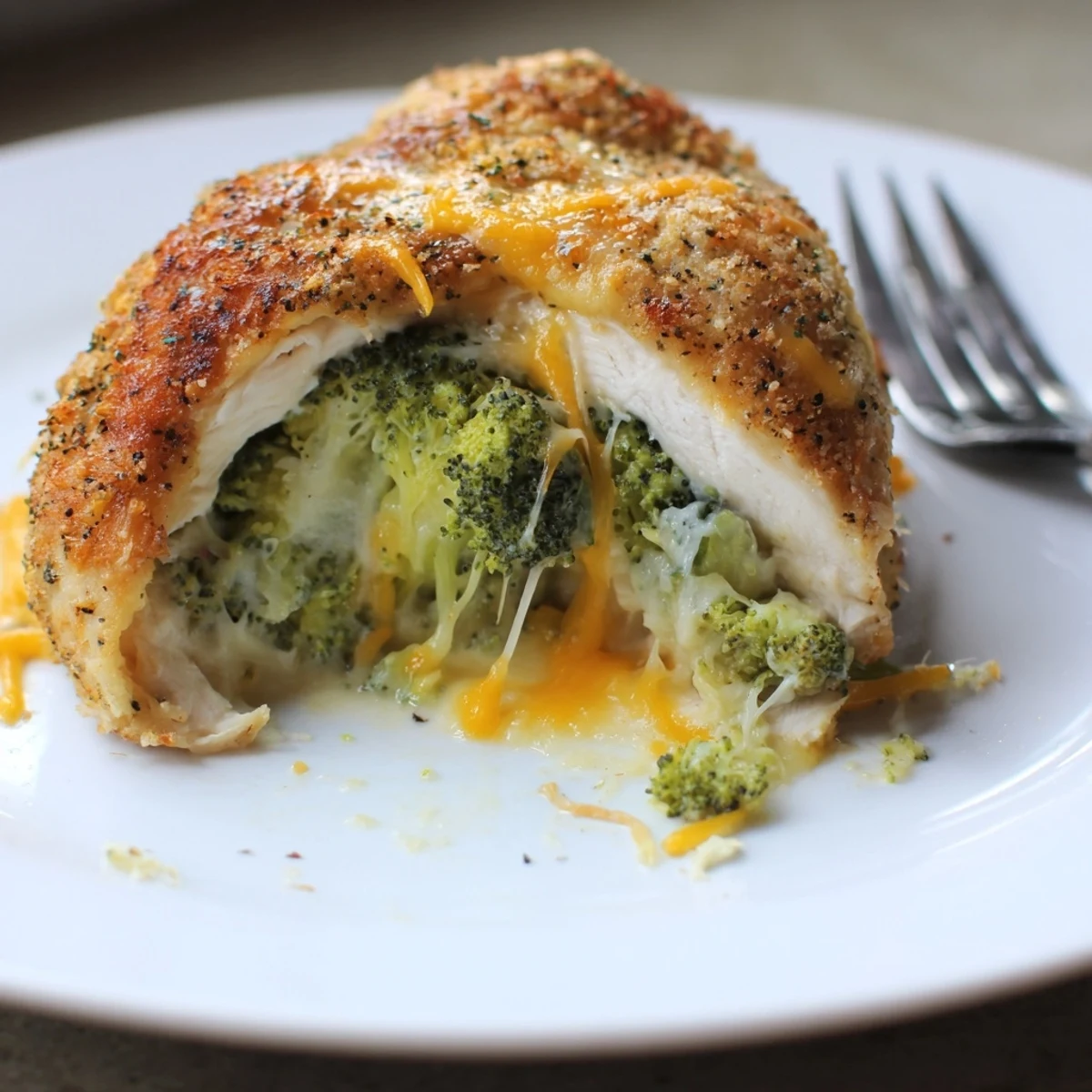
- Fill each pocket generously with the broccoli-cheese mixture; if things feel precarious, secure the edges with a couple toothpicks.
- Arrange for baking:
- Set your stuffed chicken breasts neatly on the prepared sheet, giving them a little breathing room so the heat can work its magic.
- Bake to melty perfection:
- Pop them in the oven for 25 to 30 minutes until the chicken is cooked through and you see the cheese bubbling at the seams.
- Rest and serve:
- Let the chicken rest out of the oven for about five minutes, then remove the toothpicks and dig in—juices will stay put and every slice will look gorgeous.
 Pin It
 I still remember the first dinner where this dish turned a bad day around; my little cousin, suspicious of both ‘green things’ and ‘anything weird,’ demolished her plate and asked for seconds. That’s when I realized this wasn’t just a recipe—it was practically a kitchen superpower.
What to Serve on the Side
Crispy, colorful vegetables like roasted green beans or a zippy salad really balance the richness of the chicken. On colder nights, even a simple mound of mashed cauliflower felt just right. Your favorite greens—or whatever’s knocking around in the crisper—will make this whole meal shine.
Ways to Customize
I’ve swapped the cheddar for Swiss, added chopped cooked bacon, or thrown in a pinch of chili flakes to the filling for just a touch of heat. And if you don’t have Dijon, honey mustard lends a subtle sweetness that’s just as craveable. Don’t be afraid to riff with whatever cheeses are calling your name in the fridge.
Making It Ahead (and Leftover Magic)
This recipe is a gift for busy nights because you can stuff the chicken in the morning, stash it in the fridge, and bake when everyone’s hungry and home. Leftovers reheat beautifully—even cold, they make a decadent protein for salads and wraps.
- Wrap tightly in foil to keep everything moist.
- If you’re reheating, a quick blast in the oven restores the cheese magic best.
- Always check for stray toothpicks before digging in!
 Pin It
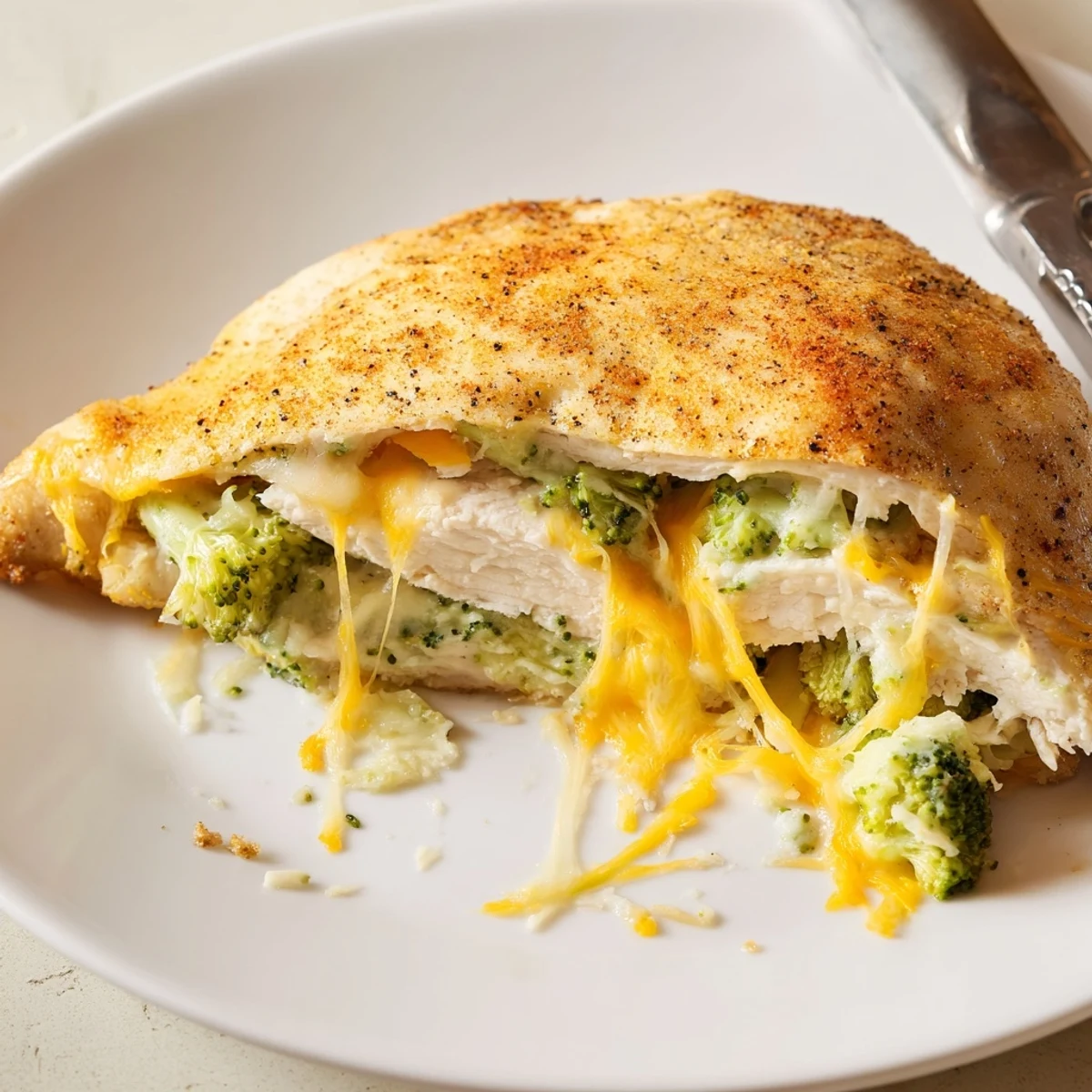
 Cheesy, vegetable-filled chicken with almost no fuss always feels like a kitchen win. Hope this one brings you as much delight and laughter at the table as it has for me.
Recipe FAQs
- → How do I keep the chicken breasts juicy?
-
Dry the breasts before seasoning, rub them with a little olive oil, and avoid overbaking. Use an instant‑read thermometer and pull the chicken at 165°F (74°C), then rest 5 minutes to redistribute juices.
- → Can I use frozen broccoli for the filling?
-
Yes—thaw and squeeze out excess moisture, then finely chop before mixing into the cheese blend. Excess water can make the filling runny, so ensure it’s well drained.
- → What are good cheese substitutes?
-
Swap cheddar with mozzarella, Swiss, or a mild Monterey Jack for a different melt and flavor. You can adjust Parmesan amounts for sharper taste or reduce cream cheese for a lighter filling.
- → How can I prevent the filling from leaking out?
-
Don’t overfill pockets and press the opening closed; secure with toothpicks if needed. Patting the filling slightly compact before tucking it in helps, and searing the seam briefly in a hot skillet can seal it before baking.
- → Is there a stovetop or grill adaptation?
-
Yes. Sear stuffed breasts in a skillet over medium heat for 5–6 minutes per side, then finish covered over low heat until cooked through. On the grill, use indirect heat and a lid, checking internal temperature to avoid flare‑ups.
- → How long can leftovers be stored?
-
Cool to room temperature, refrigerate in an airtight container and use within 3–4 days. Reheat gently in a low oven or covered skillet to preserve moisture.