
 Pin It
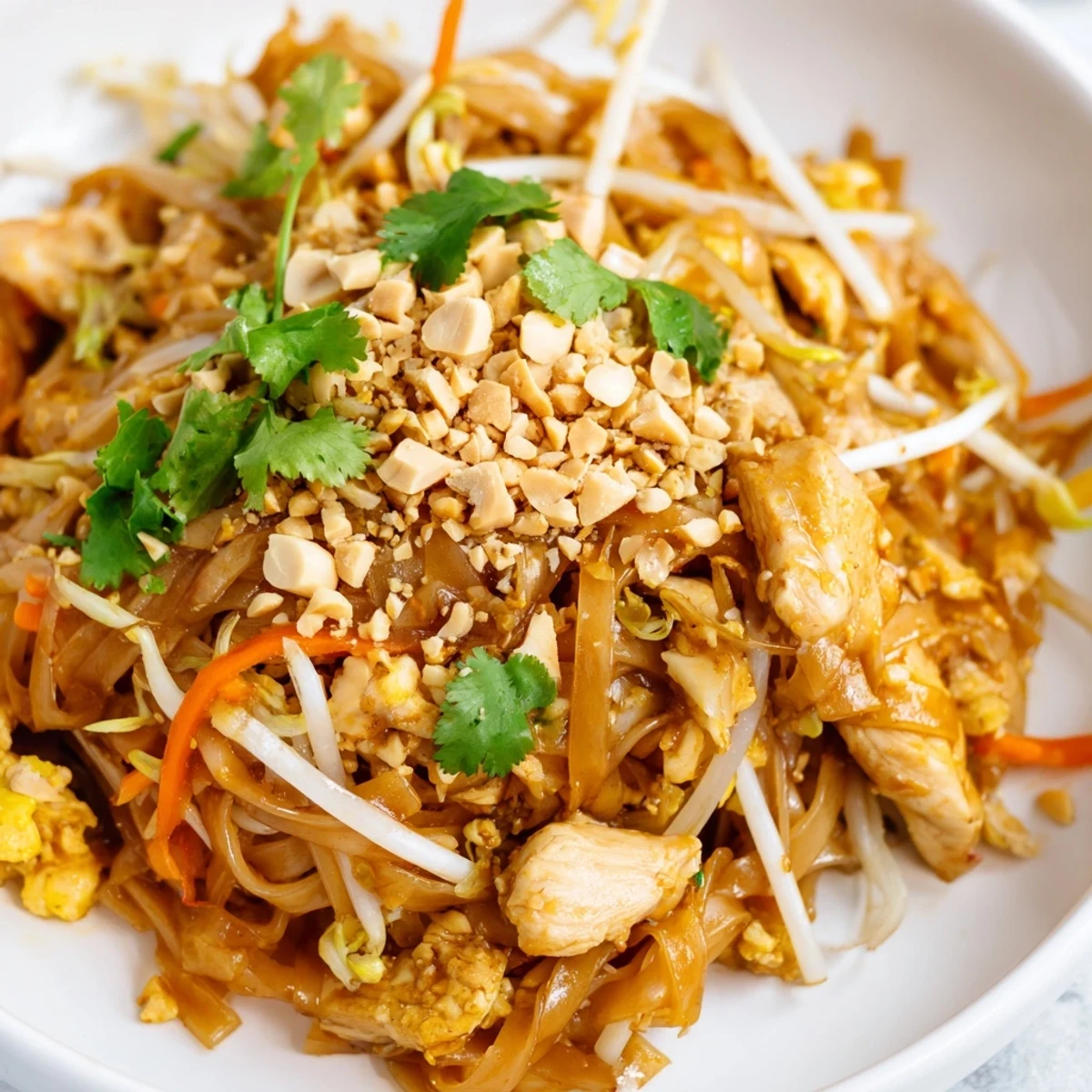
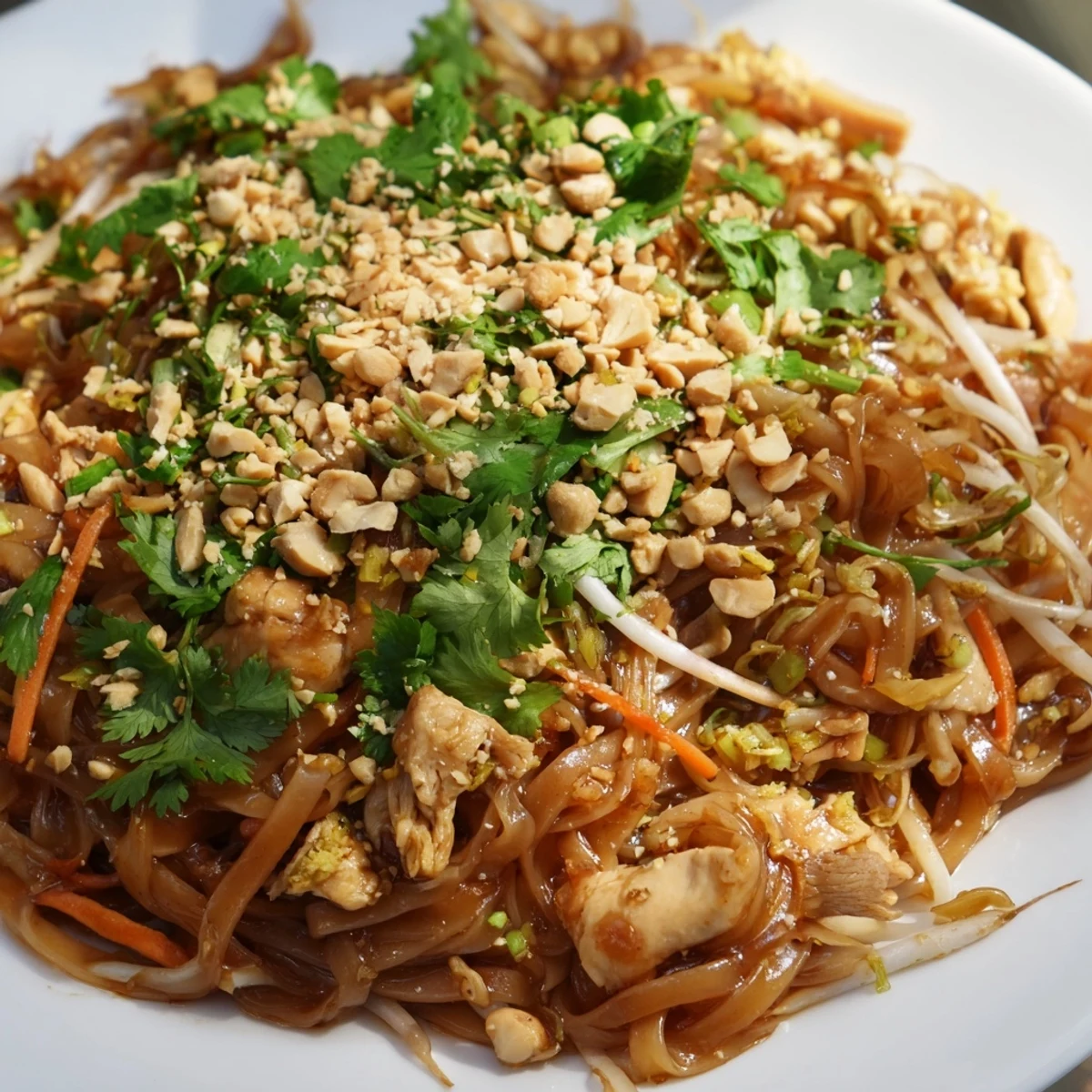
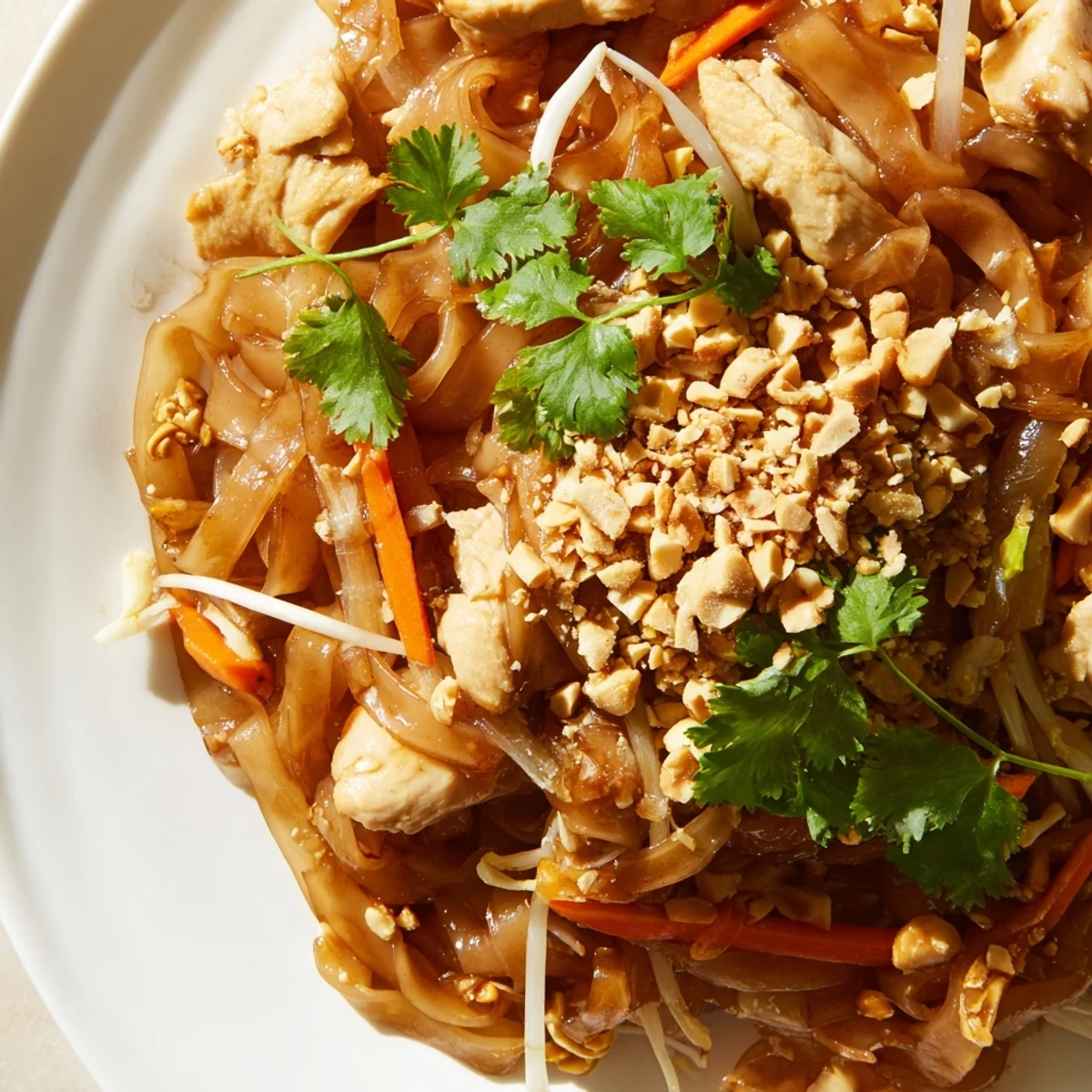
 This classic Thai stir-fry combines tender chicken slices with plump rice noodles coated in a perfectly balanced sweet and tangy tamarind sauce. The dish features aromatic garlic and shallots, crisp bean sprouts, and finished with crushed roasted peanuts, fresh cilantro, and zesty lime wedges. Everything comes together in a hot wok for that characteristic smoky flavor.
The steam from the wok always hits me first, carrying those burnt sugar notes and tamarind tang that make my kitchen smell like a street stall in Bangkok. I first attempted Pad Thai after a particularly disappointing takeout experience, determined to figure out what made the restaurant version so elusive. Three attempts later, burning noodles and learning that the sauce needs to hit the pan before the noodles do, I finally understood the rhythm of this dish.
My sister called me mid-cooking once, asking why her noodles kept turning into a gluey mess. I told her about the warm water soak trick, something I learned from watching a street vendor in Chiang Mai who worked with the same calm precision every single night. Now she makes better Pad Thai than most restaurants within reach.
Ingredients
- 400 g boneless chicken breast or thighs, thinly sliced: Thighs stay juicier in the high heat of a wok, but breast works if that is what you have on hand
- 2 large eggs: Room temperature eggs scramble better and incorporate into the dish more evenly
- 250 g dried flat rice noodles: Soak them in warm water until pliable but still have a slight bite to the center
- 3 tbsp fish sauce: The salty backbone that makes everything else sing
- 2 tbsp tamarind paste: This is what gives Pad Thai that distinctive sour note you cannot fake with lime alone
- 2 tbsp palm sugar or brown sugar: Palm sugar has a caramel depth, but brown sugar works in a pinch
- 1 tbsp soy sauce: Adds a subtle umami layer and helps with the sauce color
- 3 tbsp vegetable oil, divided: You need enough oil to keep the noodles from sticking and everything cooking evenly
- 3 garlic cloves, minced: Fresh garlic only, never the pre-minced stuff in jars
- 1 small shallot, finely chopped: Shallots have a milder sweetness than onions that plays beautifully here
- 100 g bean sprouts: Add them at the end so they stay crisp and fresh
- 2 spring onions, sliced: Separate the white and green parts, they go in at different times
- 60 g roasted unsalted peanuts: Roughly chopped so you get crunch in every bite
- 1 lime, cut into wedges: The essential finish that brightens everything
Instructions
- Prep your noodles:
- Soak rice noodles in warm water for 20 to 30 minutes until they bend easily but still have some resistance in the center, then drain them well
- Make the sauce:
- Whisk together fish sauce, tamarind paste, sugar, and soy sauce until the sugar completely dissolves
- Cook the chicken:
- Heat half the oil in a wok over medium-high heat, add the sliced chicken, and stir-fry until just cooked through, then set aside
- Build the aromatics:
- Add remaining oil to the hot wok, toss in garlic and shallot, and stir for 30 seconds until fragrant but not burnt
- Scramble the eggs:
- Push everything to the side of the wok, crack in the eggs, and scramble until just set, then fold them through
- Combine everything:
- Add noodles and sauce to the wok, toss constantly to coat evenly, then return the chicken and add bean sprouts and spring onion whites
- Finish and serve:
- Stir-fry for 2 to 3 minutes until noodles are tender, then remove from heat and top with peanuts, spring onion greens, cilantro, and lime wedges
 Pin It
 My friend Mark once tried making this with spaghetti noodles because he forgot to buy rice noodles. The look on his face when I took my first bite was somewhere between hopeful and horrified. We laughed about it over takeout that night, but I promised to teach him the real way next time.
Getting The Sauce Balance Right
The sauce is where most people stumble, usually going too heavy on one element and ending up with something that tastes off. I start with equal parts fish sauce and tamarind, then adjust the sugar until the tang mellows into something rounder and more complex. A good Pad Thai sauce should make you pucker slightly before the sweetness kicks in.
Noodle Secrets
Not all rice noodles are created equal, and I have tried dozens of brands before finding the ones that hold up without becoming gummy. The thinner noodles cook faster but can turn to mush, while the wider ones have more structure and absorb sauce beautifully. Check the package instructions, but always trust your fingers more than the printed times.
Making It Your Own
Once you get the basic technique down, Pad Thai becomes a canvas for whatever you have in the refrigerator or crave that night. I have made versions with shrimp, tofu, even just vegetables when that was all I had, and each one taught me something new about how the flavors play together.
- Extra crushed peanuts on top add texture contrast to the soft noodles
- A drizzle of chili oil brings heat without changing the overall flavor profile
- Fresh Thai basil leaves, if you can find them, add an anise-like sweetness that is incredible
 Pin It
 There is something deeply satisfying about making a dish that once seemed so intimidating, now turning out perfectly in under an hour on a random Tuesday. The first time my partner asked for seconds and then thirds, I knew this recipe had earned its permanent place in our rotation.
Recipe FAQs
- → How do I prevent rice noodles from sticking together?
-
Soak noodles in warm water until pliable but not mushy, about 20-30 minutes. Drain thoroughly before stir-frying. Keep everything moving in the wok and toss constantly with tongs to distribute sauce evenly.
- → Can I make this dish vegetarian?
-
Absolutely. Replace chicken with firm tofu cubes and substitute fish sauce with additional soy sauce or a vegetarian fish sauce alternative. The rest of the ingredients work perfectly for a plant-based version.
- → What's the best way to achieve authentic flavor?
-
Use tamarind paste rather than pre-made pad thai sauce for that authentic tangy kick. Palm sugar adds depth, though brown sugar is an acceptable substitute. Fresh lime juice squeezed just before serving brightens all flavors.
- → How spicy should this dish be?
-
Traditional pad thai isn't overly spicy. Add chili flakes to taste or serve them on the side so everyone can adjust heat level. The garnish of fresh chilies also allows diners to control spiciness.
- → Can I prepare components ahead of time?
-
Yes. Slice chicken, chop vegetables, and mix the sauce in advance. Soak noodles just before cooking though, as they can become gummy if left too long. The actual stir-frying happens quickly and is best done right before serving.
- → What type of noodles work best?
-
Look for dried flat rice noodles specifically labeled for pad thai or stir-fry, about ¼ inch wide. Thinner rice vermicelli will work but may break more easily. Avoid egg noodles or wheat-based noodles for authentic texture.