
 Pin It
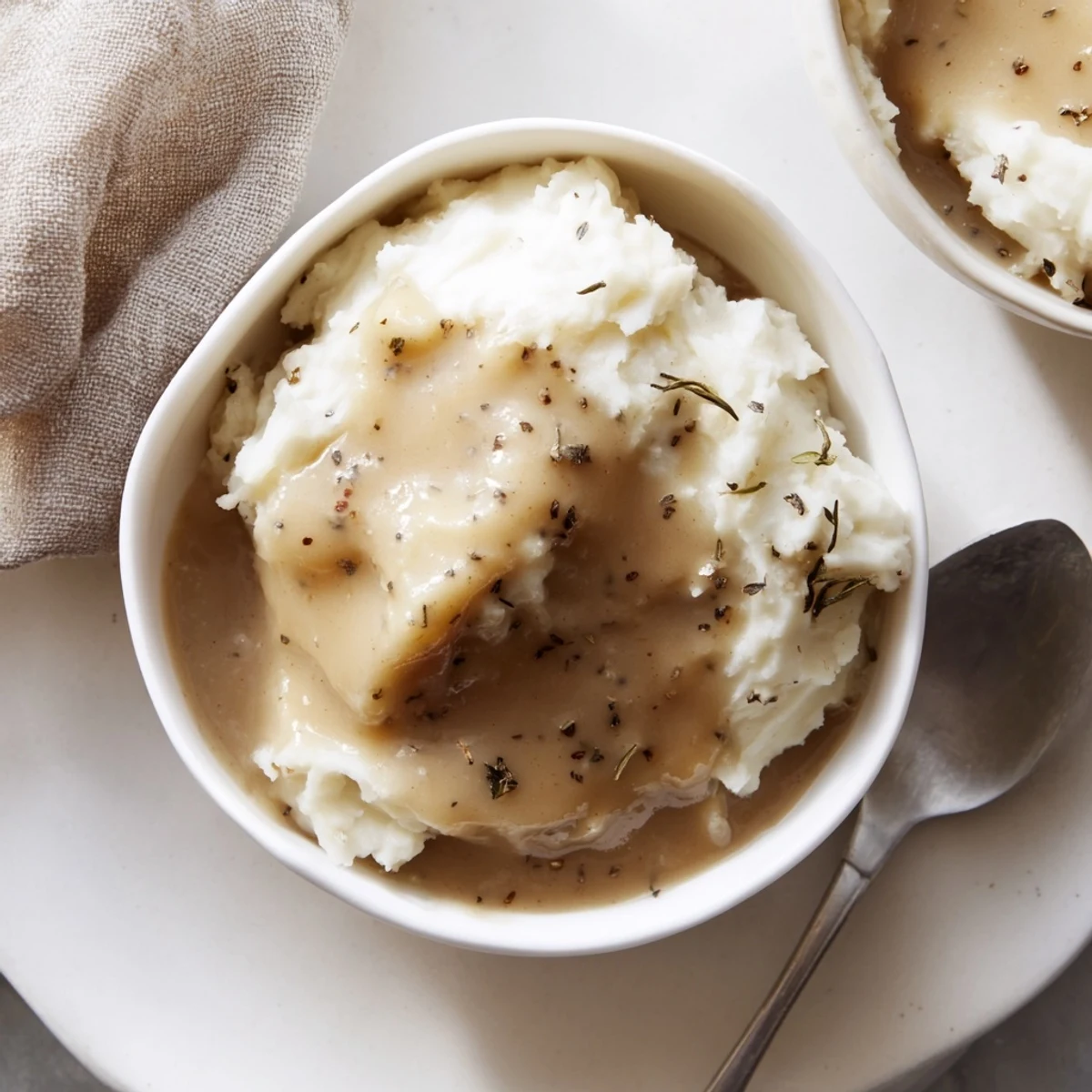
 Craft a rich, velvety sauce perfect for elevating roasted meats, mashed potatoes, and stuffing. This classic technique combines butter and flour into a smooth roux, gradually whisked with stock to create luxurious consistency. The result delivers deep, savory flavor with minimal effort.
Ready in just 20 minutes, this versatile sauce uses everyday pantry staples. Whisk continuously while adding liquid to prevent lumps, then simmer until thickened. Season simply with salt and pepper, or enhance with dried herbs like thyme or sage.
For extra depth, sauté minced shallot in the butter before incorporating flour. A splash of cream adds richness, while soy sauce introduces umami notes. Strain through a fine-mesh sieve for ultra-smooth results.
My grandmother never measured anything when making gravy, which terrified me the first time I tried it alone. I stood over the stove with a whisk in one hand and crossed fingers on the other, convinced I'd end up with either wallpaper paste or salty soup. Somehow it worked, and I've been tweaking that method ever since.
Last Thanksgiving, my brother actually asked for seconds on the gravy before taking more turkey. That's when I knew this recipe had earned its permanent place in my holiday rotation.
Ingredients
- 4 tbsp unsalted butter: I prefer starting with butter, but pan drippings from a roast add incredible depth if you have them
- 1/4 cup all-purpose flour: This creates your roux, the magic thickening base that makes gravy silky instead of watery
- 2 cups low-sodium chicken stock: Low-sodium is crucial here since you'll control the seasoning yourself
- 1/2 tsp kosher salt: Start here and adjust, remembering the salt will intensify slightly as it reduces
- 1/4 tsp freshly ground black pepper: Freshly cracked makes a noticeable difference in the background warmth
- Optional dried thyme or sage: Half a teaspoon adds that classic holiday aroma without overwhelming the other flavors
Instructions
- Melt your butter:
- Drop the butter into a medium saucepan over medium heat and let it foam and settle completely
- Build the roux:
- Whisk in the flour and cook for 2 to 3 minutes, stirring constantly until the mixture smells nutty and turns pale gold
- Add the liquid:
- Pour in the stock gradually while whisking, treating it like you're incorporating oil into vinaigrette
- Simmer and thicken:
- Let the gravy bubble gently for about 10 minutes, whisking occasionally until it coats the back of a spoon
- Season and taste:
- Add salt, pepper, and herbs if using, then taste and adjust until it sings
- Finish smooth:
- For restaurant-level silkiness, pour through a fine-mesh sieve to catch any flour lumps
 Pin It
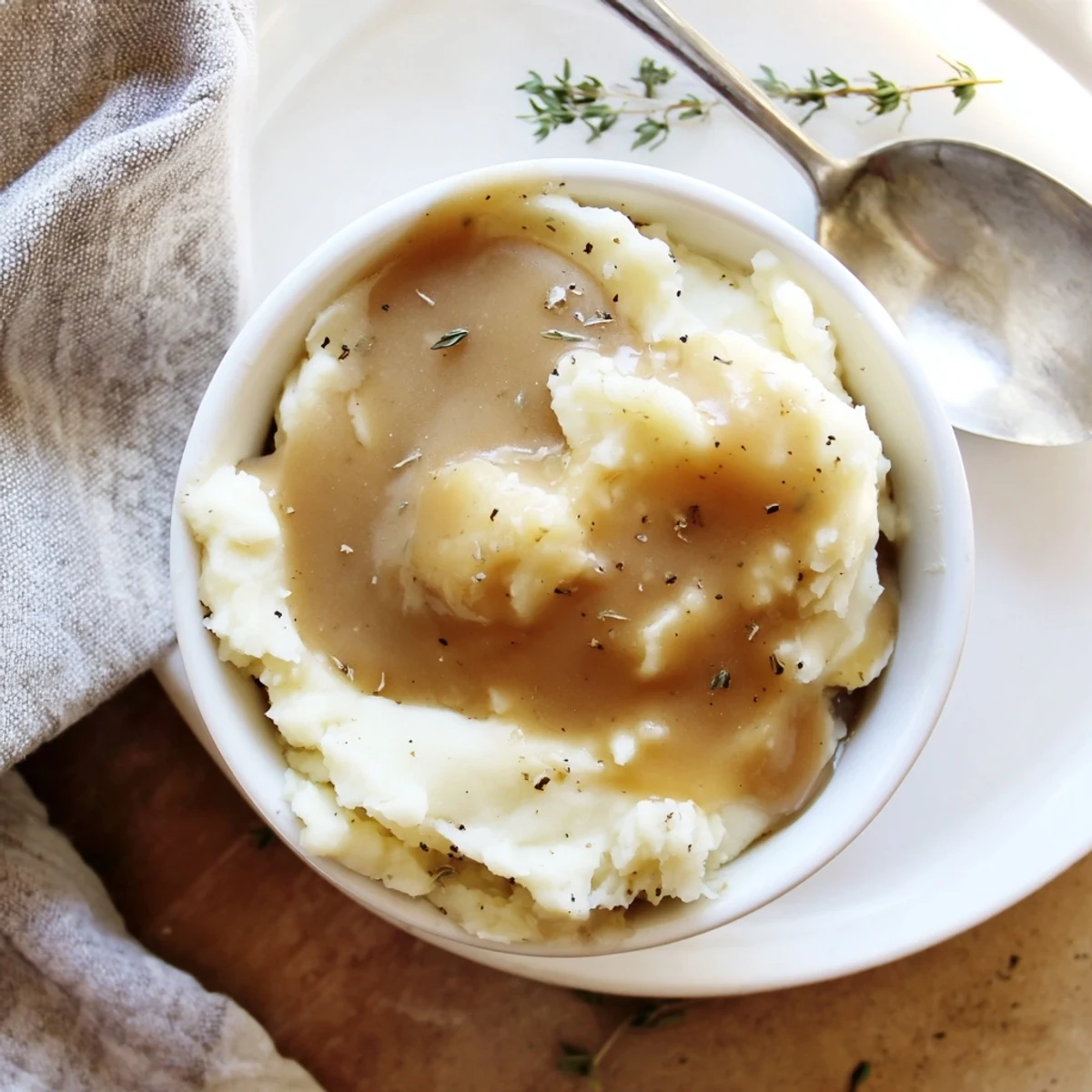
 Something magical happens when homemade gravy hits hot mashed potatoes. The way they meld together makes everything else on the plate feel like a supporting actor.
Making It Your Own
I've learned that a splash of cream transforms this into something restaurant-worthy, while soy sauce adds that secret umami punch people can't quite identify. A minced shallot sautéed in the butter before the flour goes in creates depth that rivals gravy made with actual pan drippings.
Troubleshooting
If your gravy turns out too thick, whisk in more stock a tablespoon at a time until it reaches the right consistency. Too thin? Keep simmering, and remember that patience is your best friend here, just don't turn up the heat to rush it.
Make Ahead Wisdom
You can make this gravy up to two days ahead and reheat it gently over low heat, whisking in a splash of milk or stock if it thickens too much in the refrigerator.
- Store in an airtight container and reheat slowly, whisking frequently
- Never boil reheated gravy or it might separate and lose that silky texture
- If separation happens, whisk vigorously while warming, and it usually comes back together
 Pin It
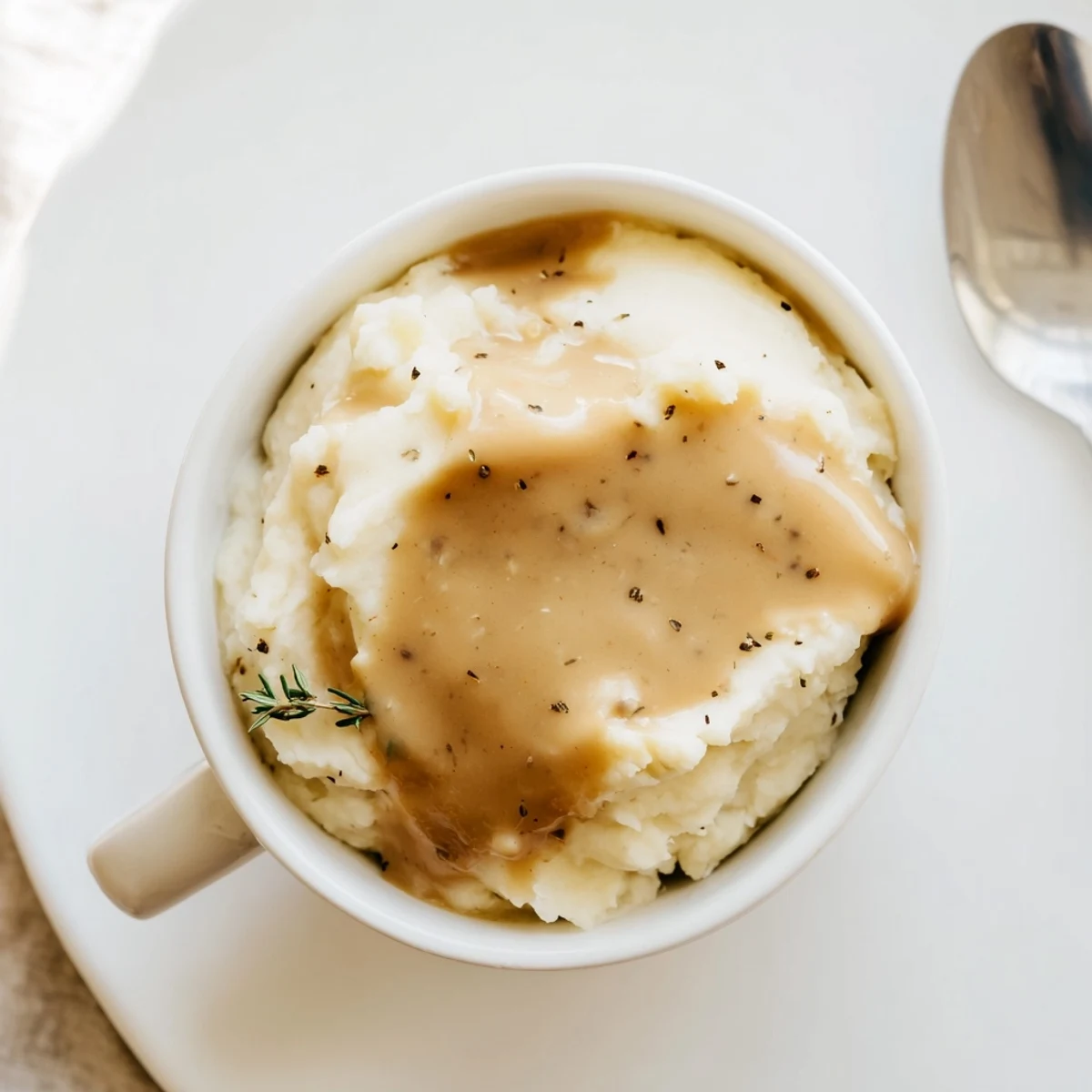
 Good gravy is worth the effort, but great gravy is worth the practice. This recipe will get you there.
Recipe FAQs
- → How do I prevent lumps in my homemade gravy?
-
Whisk flour into melted butter thoroughly to create a smooth roux before adding any liquid. When pouring in stock, add it gradually while whisking continuously. This steady incorporation prevents flour clumps from forming. If lumps appear, strain through a fine-mesh sieve for silky results.
- → Can I make this gravy ahead of time?
-
Prepare up to 2 days in advance and refrigerate. Reheat gently over low heat, whisking in small amounts of stock or water to restore consistency. The sauce thickens as it cools, so thinning during reheating ensures proper texture.
- → What's the best way to store leftover gravy?
-
Cool completely and transfer to an airtight container. Refrigerate within 2 hours of cooking. Properly stored, it keeps 3-4 days. For longer storage, freeze for up to 3 months. Thaw overnight in refrigerator before reheating.
- → How can I make this gluten-free?
-
Substitute all-purpose flour with a certified gluten-free flour blend or cornstarch. If using cornstarch, mix with cold stock first to create a slurry, then whisk into the hot roux. Adjust quantities as needed since thickeners vary in strength.
- → What stocks work best for flavor?
-
Chicken stock provides a versatile base that complements most dishes. Beef stock adds deeper, richer notes perfect for red meats. Vegetable stock creates an excellent vegetarian option. Always choose low-sodium varieties to control seasoning levels.
- → How do I fix gravy that's too thick?
-
Whisk in additional warm stock or water, one tablespoon at a time, until reaching desired consistency. Add liquid gradually while whisking constantly to ensure smooth incorporation. For best results, warm the liquid before adding to prevent cooling the sauce.