
 Pin It
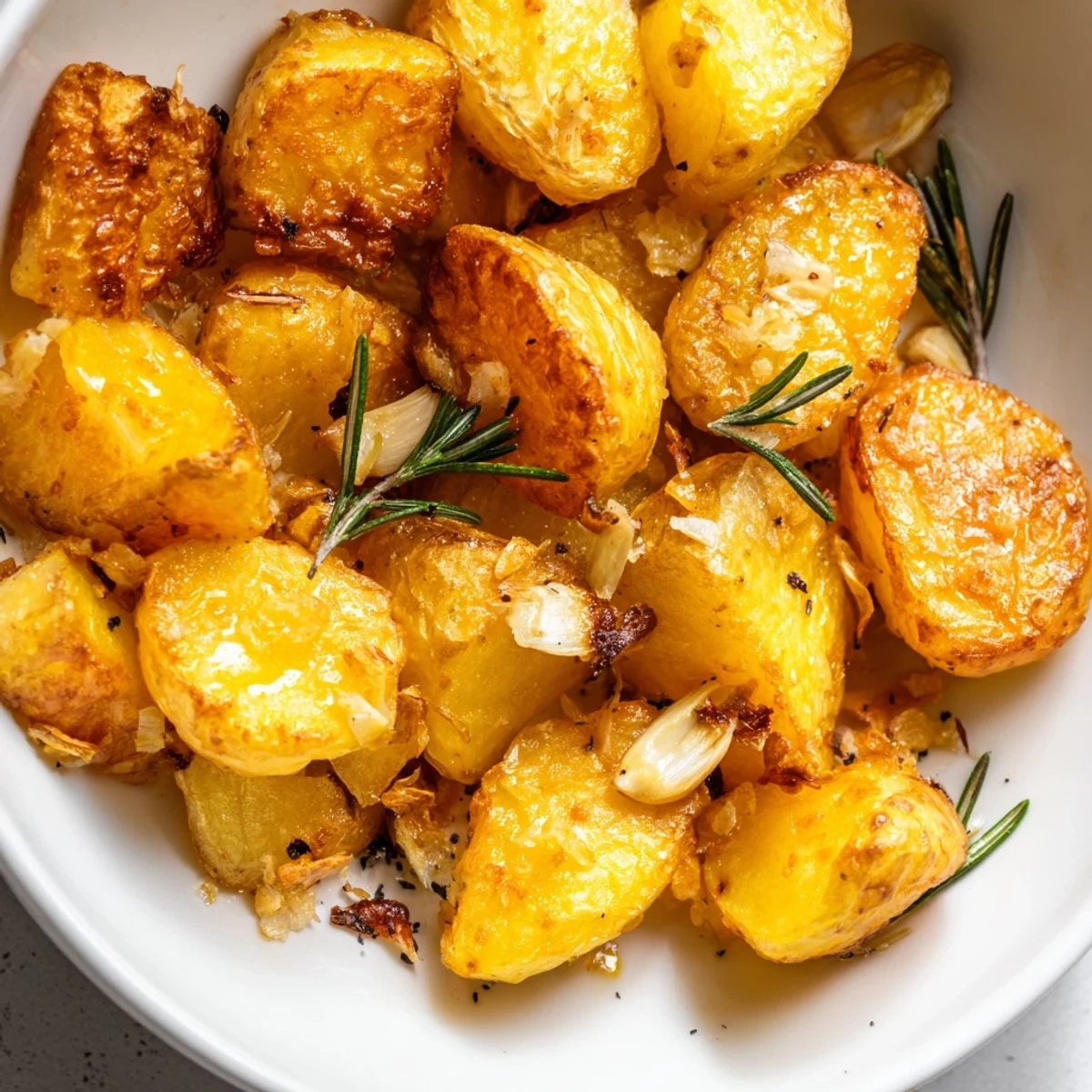
 Create the ultimate roast potatoes with this foolproof method delivering golden crispy skins and melt-in-your-mouth fluffy centers. The secret lies in parboiling to roughen the edges, then roasting in hot fat at high temperature for maximum crunch. Duck or goose fat yields exceptional results, though vegetable oil works perfectly well. Season with sea salt flakes and aromatic herbs like rosemary or thyme for added depth. These versatile beauties complement roast meats, gravies, and festive feasts equally well.
The smell of hot oil hitting already-parboiled potatoes is one of those kitchen moments that stops me in my tracks every single time. My flatmate walked in last Sunday asking what that incredible sizzling sound was, and I had to explain that the magic of roast potatoes begins with a really hot pan and properly roughened edges. We stood around the oven watching them turn golden together, and honestly, that twenty-minute wait might be my favorite part of Sunday cooking.
Last Christmas my aunt admitted she'd been making roast potatoes wrong for thirty years by skipping the parboiling step entirely. We spent that evening experimenting with different fats and timing, and now she texts me photos of her potato batches like proud parent updates. There's something so satisfying about taking such humble ingredients and turning them into the dish people reach for first.
Ingredients
- Floury potatoes: Maris Piper or Yukon Gold varieties work best because their high starch content creates that fluffy interior we are after
- Vegetable oil or animal fat: Duck fat delivers incredible flavor and crispiness but vegetable oil keeps it accessible and still produces excellent results
- Sea salt flakes: These cling to the crispy edges better than table salt and provide satisfying crunch in every bite
- Fresh rosemary or thyme: Adding herbs halfway through roasting infuses the potatoes with aromatic flavor without burning
Instructions
- Preheat your oven and roasting pan:
- Get your oven to 220°C (430°F) and place your roasting tray inside so it gets screaming hot while you prep the potatoes
- Parboil the potatoes:
- Cover your peeled potato chunks with cold water and salt, then simmer for 8 to 10 minutes until edges start softening but centers stay firm
- Roughen those edges:
- Drain well and let steam dry for 2 minutes, then shake the pan vigorously to create those textured edges that catch the hot fat
- Coat with hot fat:
- Pour your hot oil or fat over the potatoes and toss gently until every piece has a glossy coating
- Roast until golden:
- Carefully transfer potatoes to the preheated tray and roast for 20 minutes, turn, then continue for another 20 to 25 minutes until deep golden and crisp
 Pin It
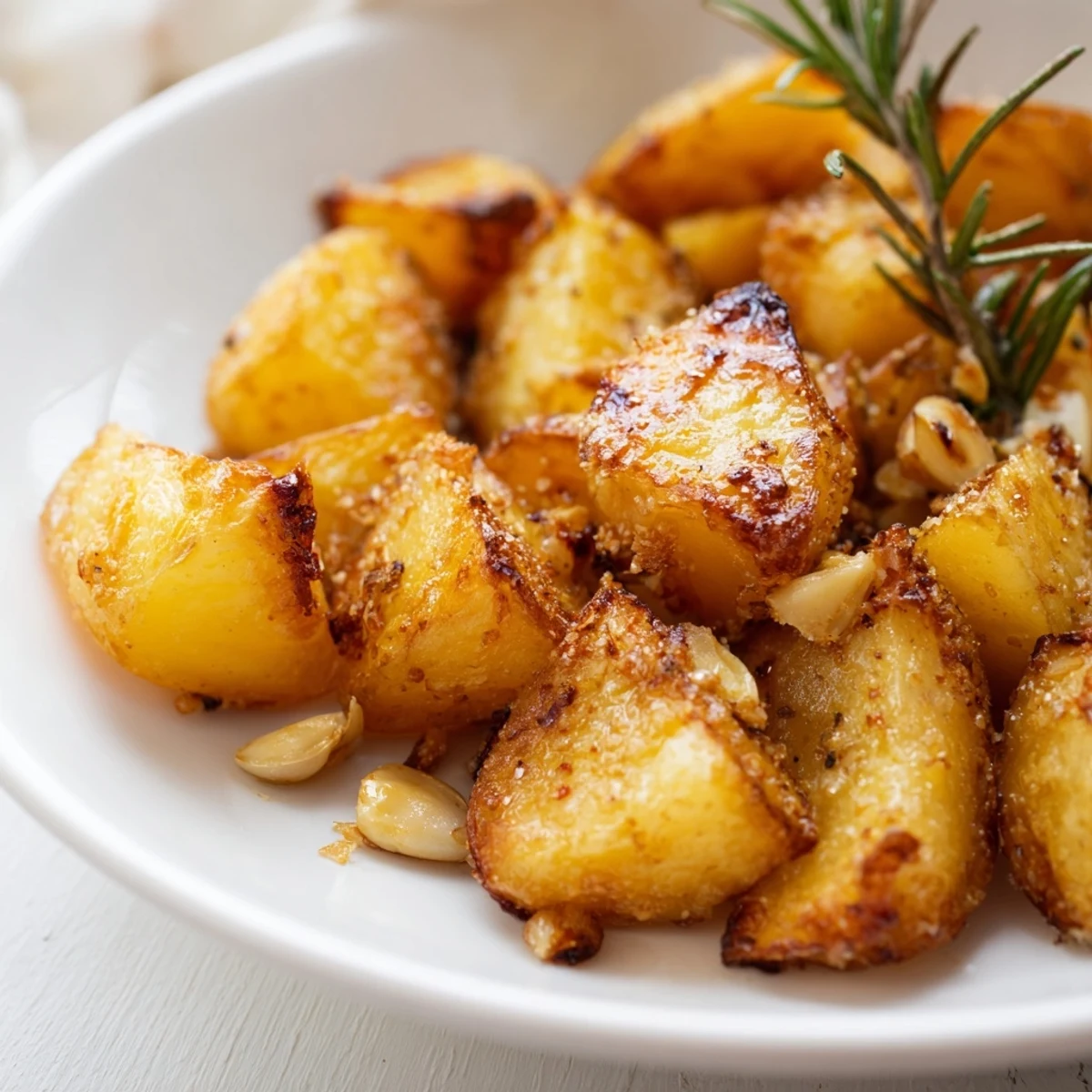
 These potatoes have saved more than one dinner party when the main dish turned out slightly underwhelming. There is something universally comforting about perfectly roasted potatoes that makes people feel at home, and I have watched even picky eaters clean their plates when these are served.
Choosing Your Fat
Duck fat creates the most luxurious roast potatoes you will ever taste, with a richness that feels incredibly indulgent. Goose fat works similarly well if you can find it, though it is often pricier and harder to source. Plain vegetable oil produces consistently excellent results and keeps the dish accessible for everyday cooking or vegetarian guests.
The Parboiling Secret
That initial simmer does more than just start the cooking process, it creates a surface layer of gelatinized starch that transforms into the crispiest exterior imaginable. I used to skip this step thinking it was unnecessary effort, but the difference is night and day. The timing matters too, go too long and they will fall apart, not long enough and the texture never quite develops properly.
Make Ahead Magic
You can parboil and roughen the potatoes up to a day ahead, then freeze them in single layers on baking sheets. When you are ready to cook, they go straight from freezer to hot oil and actually crisp up even better than fresh ones. This trick has saved me countless times when hosting large gatherings or holiday meals.
- Freeze them uncovered first so they do not stick together
- Add an extra 5 to 10 minutes roasting time when cooking from frozen
- Never refrigerate parboiled potatoes without freezing or they will develop an odd texture
 Pin It
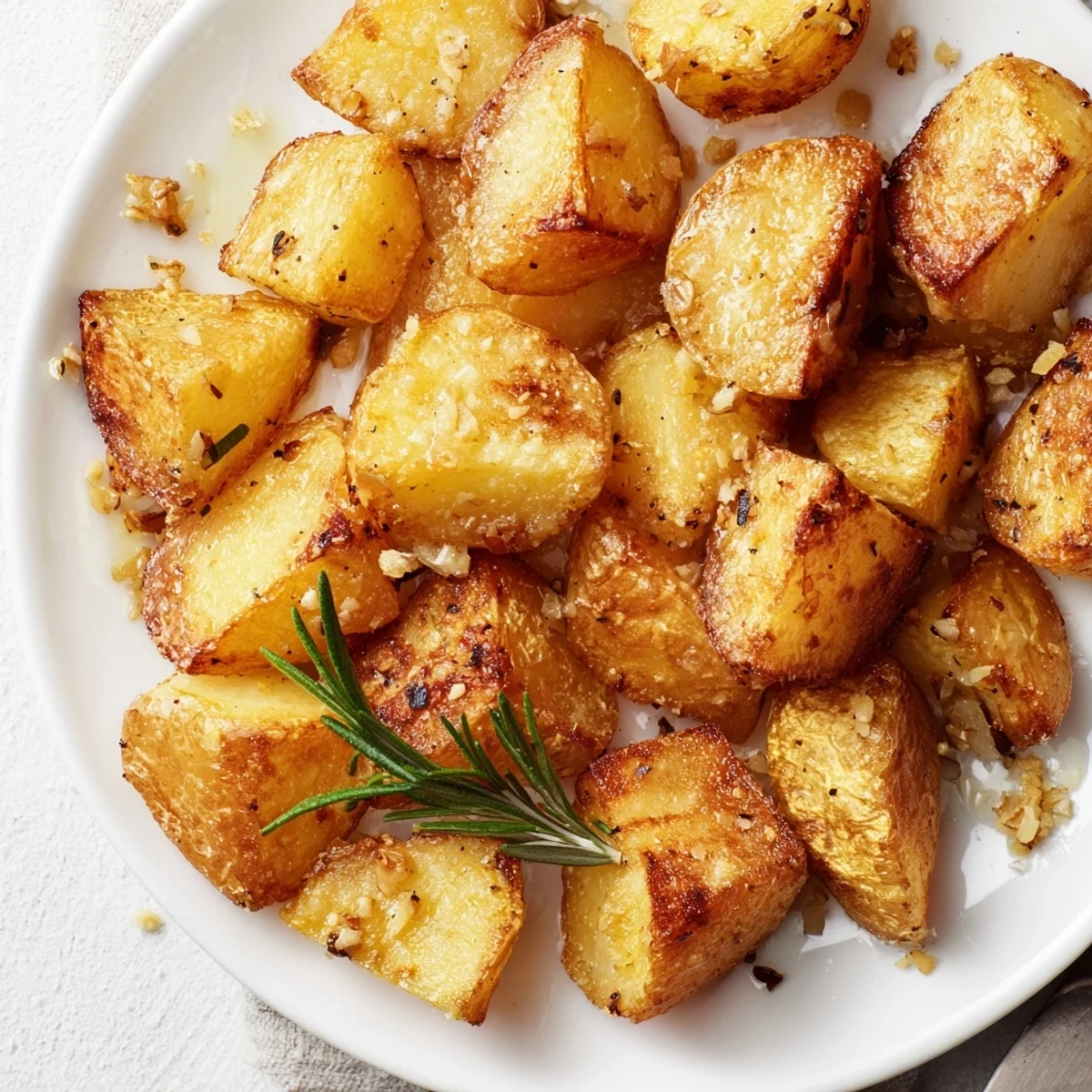
 There are few things more rewarding than pulling a tray of perfectly golden roast potatoes from the oven and watching everyone instinctively gravitate toward them. These humble spuds have a way of turning an ordinary meal into something memorable.
Recipe FAQs
- → What potatoes are best for roasting?
-
Floury varieties like Maris Piper, King Edward, or Yukon Gold work brilliantly as they develop a fluffy interior while crisping beautifully outside.
- → Should I peel potatoes before roasting?
-
Peeling ensures maximum crispiness, though leaving skins on adds rustic texture and nutritional benefits if scrubbed thoroughly.
- → Why do my roast potatoes go soggy?
-
Overcrowding the pan creates steam. Ensure potatoes sit in a single layer with space between pieces for proper air circulation and crisping.
- → Can I prepare these ahead of time?
-
Parboil and roughen the potatoes up to 24 hours ahead, refrigerate, then roast when needed. Alternatively freeze after parboiling for up to 1 month.
- → What fat gives the crispiest results?
-
Duck or goose fat produces exceptional crunch and rich flavor, though vegetable oil creates reliably crispy results suitable for vegetarian diets.
- → How do I get extra crispy edges?
-
Shaking the drained potatoes in the pan roughens the surface, creating more edges to crisp up. Hot fat and high oven temperature are essential too.