 Pin It
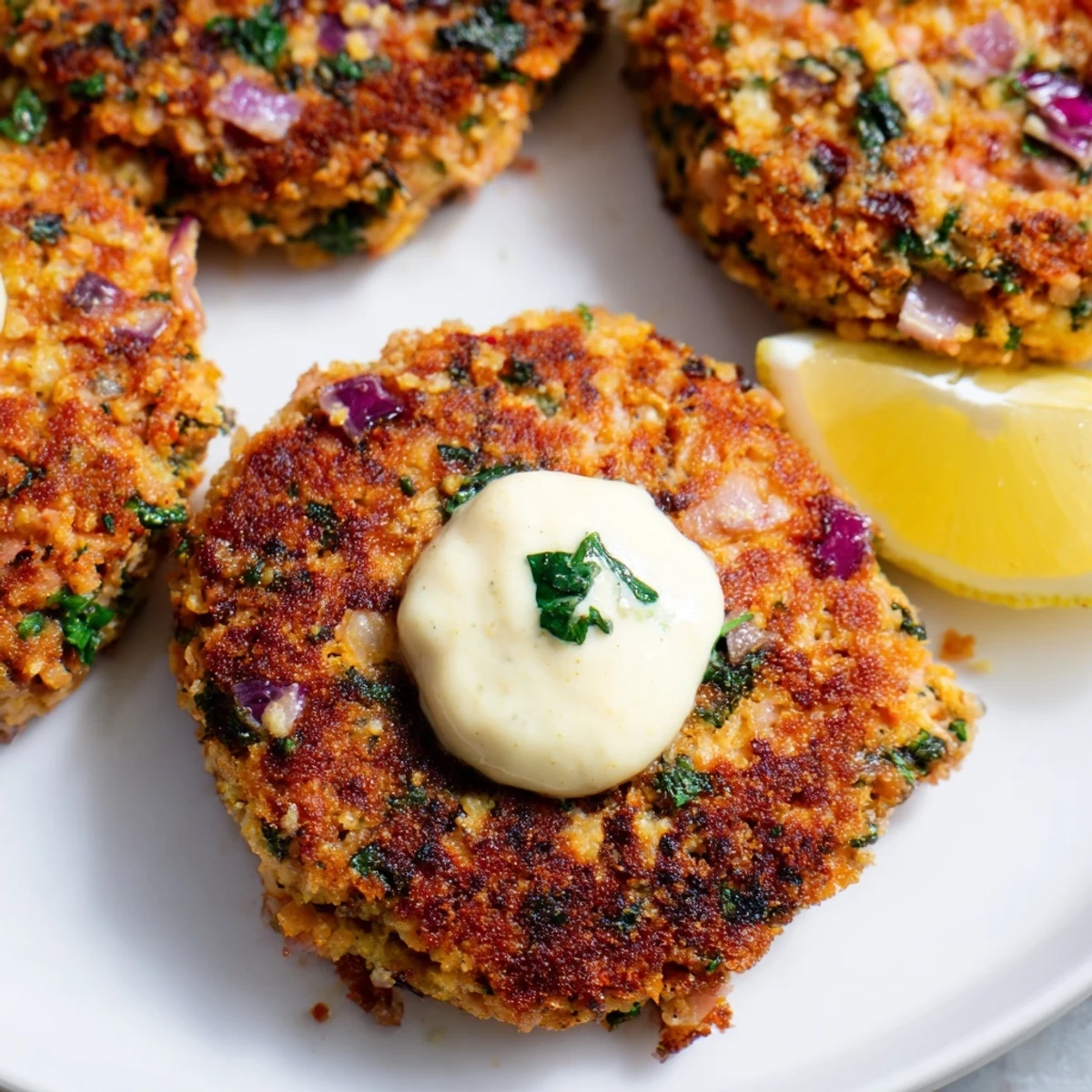
 These golden salmon cakes feature flaked wild Alaska salmon bound with panko breadcrumbs, brightened with fresh lemon zest and aromatic garlic.
Pan-fried to a crisp exterior while staying tender inside, they come together in just 35 minutes from start to finish.
A simple homemade aioli made with mayonnaise, minced garlic, lemon juice, and Dijon mustard provides the perfect creamy accompaniment.
Serve them as a main course with a side salad or as bite-sized appetizers for your next gathering.
The sizzle of salmon cakes hitting a hot skillet on a rainy Tuesday evening is one of those sounds that instantly makes a kitchen feel alive. I had picked up a beautiful fillet of wild Alaska salmon at the market that morning, with no plan beyond dinner. By sundown, lemon zest covered my cutting board and garlic perfumed every corner of the apartment. These cakes were born from that kind of happy accident.
I served these to my neighbor who swears she dislikes salmon, and she asked for the recipe before she even finished chewing. There is something about the crisp panko crust and bright lemon that wins people over without a fight.
Ingredients
- Wild Alaska salmon fillets (1 lb): Fresh is ideal, but thawed frozen works beautifully too. Remove the skin before flaking.
- Panko breadcrumbs (1 cup): Panko creates a lighter, crispier crust than regular breadcrumbs.
- Large eggs (2): These bind everything together. Lightly beat them before adding.
- Fresh parsley (2 tbsp, chopped): Adds a fresh, grassy note that balances the richness of the fish.
- Lemon zest and juice: Use one lemon for both. The zest goes into the cakes, the juice brightens everything.
- Garlic cloves (3 total): Two for the cakes and one for the aioli. Fresh minced makes a real difference.
- Red onion (1/4 cup, finely diced): Finer is better here so no one bites into a large chunk.
- Dijon mustard (1 tbsp for cakes, 1 tsp for aioli): It acts as a flavor enhancer rather than making things taste mustardy.
- Olive oil (2 tbsp): Just enough for a golden pan fry.
- Salt and black pepper: Season the salmon before baking and adjust the mixture to taste.
- Mayonnaise (1/2 cup): The base of the aioli. Full fat yields the creamiest result.
Instructions
- Bake the salmon:
- Preheat your oven to 350°F. Place the salmon on a parchment lined sheet, season with salt and pepper, and bake 12 to 15 minutes until it flakes easily with a fork. Let it cool slightly, then gently break it into large pieces.
- Mix the cakes:
- In a large bowl, combine the flaked salmon, panko, eggs, parsley, lemon zest, lemon juice, garlic, red onion, Dijon, salt, and pepper. Fold gently so you do not mash the fish into paste.
- Form the patties:
- With damp hands to prevent sticking, shape the mixture into 8 small cakes or 4 larger ones. Press firmly so they hold together but do not overwork them.
- Pan fry to golden:
- Heat olive oil in a non stick skillet over medium heat. Cook the cakes 3 to 4 minutes per side until deeply golden and crisp. Drain briefly on paper towels.
- Whisk the aioli:
- In a small bowl, stir together the mayonnaise, minced garlic, lemon juice, Dijon, salt, and pepper until smooth. Taste and adjust the lemon or salt as you like.
- Plate and serve:
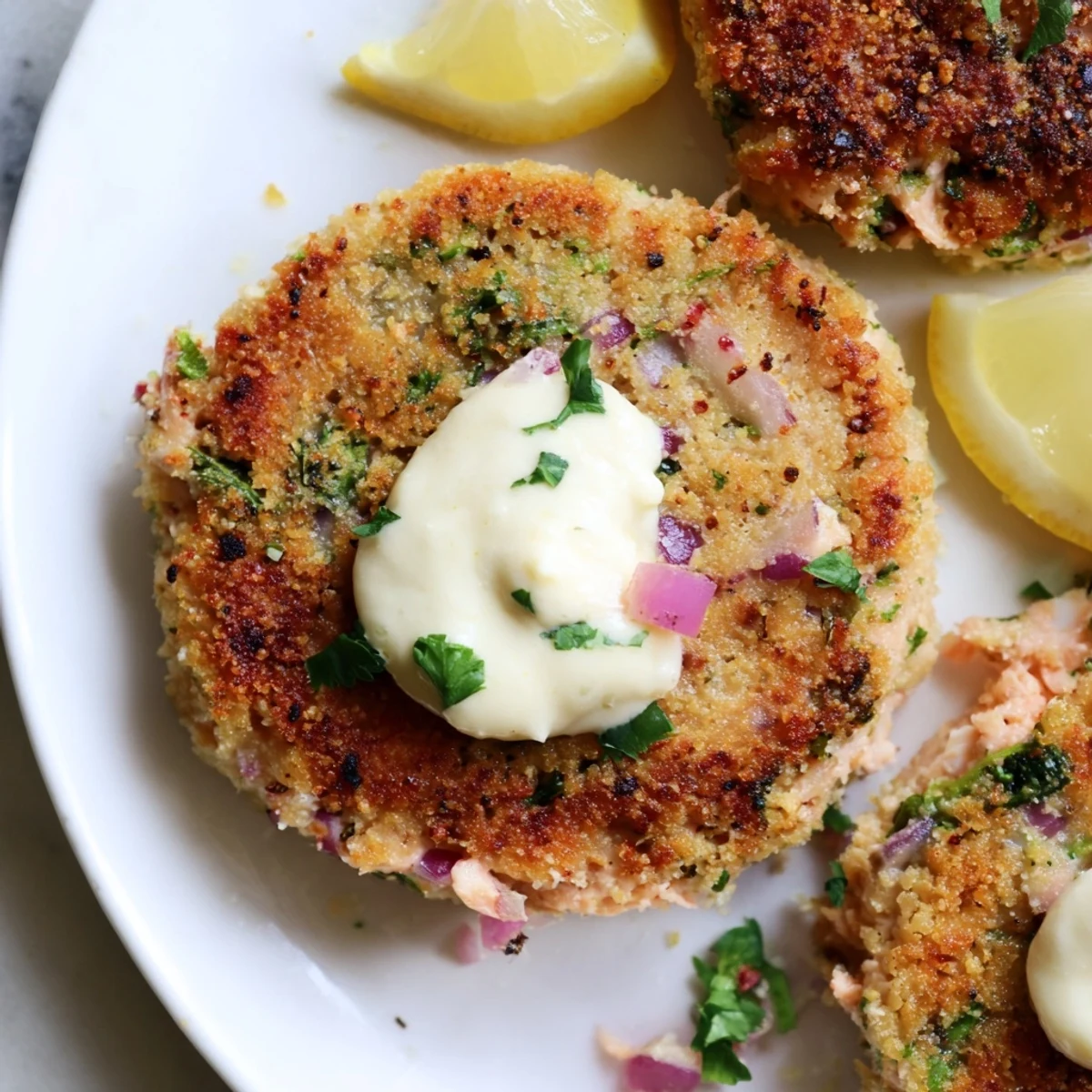
- Arrange the warm cakes on a platter with a generous dollop of aioli and lemon wedges alongside. They are best eaten right away while the edges are still crisp.
 Pin It
 One summer evening I plated these on the back porch with a simple arugula salad and a chilled glass of white wine, and it felt like something from a small coastal restaurant rather than my own kitchen.
Serving Suggestions
A crisp side salad with a vinaigrette cuts through the richness of the cakes perfectly. Roasted asparagus or green beans also pair well, especially when squeezed with a little extra lemon.
Smart Swaps and Adjustments
Gluten free panko works seamlessly in place of regular breadcrumbs. You can swap parsley for dill or chives depending on what you have growing on the windowsill. Vegan mayonnaise in the aioli makes this dairy free friendly.
Getting Ahead
You can mix and shape the cakes hours before cooking and refrigerate them on a parchment lined tray. The aioli actually improves after sitting in the fridge for a bit as the garlic flavor mellows and blends.
- Cover shaped patties tightly so they do not dry out in the fridge.
- Leftover cakes reheat well in a skillet over medium heat for a few minutes per side.
- Always check the aioli seasoning again before serving cold from the refrigerator.
 Pin It
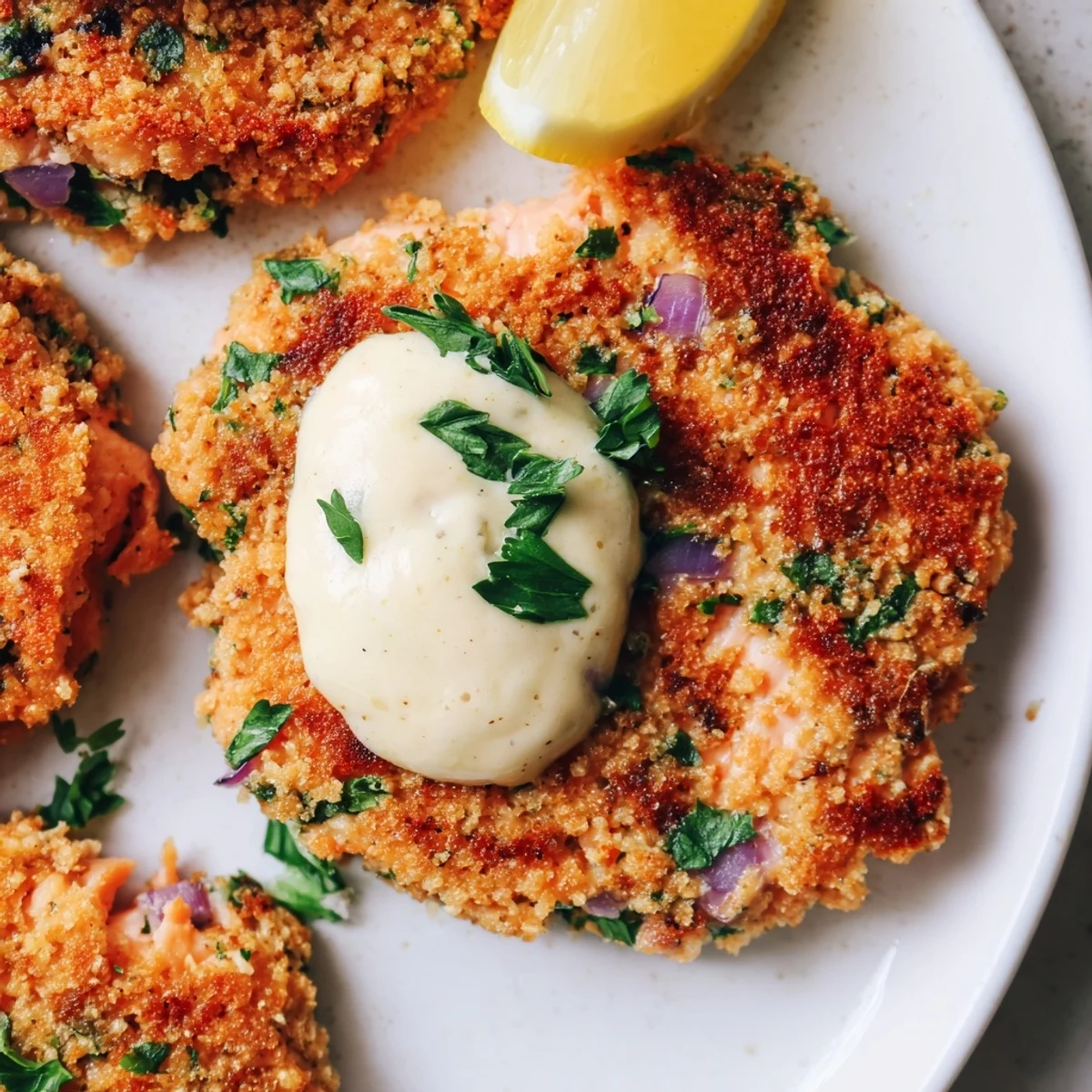
 Keep these in your back pocket for a weeknight dinner that feels special without any fuss. The aioli alone is worth making, and the cakes will disappear faster than you expect.
Recipe FAQs
- → Can I use canned salmon instead of fresh fillets?
-
Yes, canned wild Alaska salmon works well as a time-saving alternative. Drain it thoroughly and remove any bones or skin before mixing. You can skip the baking step entirely and go straight to forming the patties.
- → How do I keep salmon cakes from falling apart?
-
Ensure the salmon is well-drained and the mixture isn't too wet. The eggs and breadcrumbs act as binders. Chilling the formed patties for 15–20 minutes before frying also helps them hold their shape during cooking.
- → Can I bake these instead of pan-frying?
-
Absolutely. Arrange the cakes on a parchment-lined baking sheet, brush lightly with olive oil, and bake at 400°F (200°C) for about 12–15 minutes, flipping halfway through, until golden and heated through.
- → What can I substitute for mayonnaise in the aioli?
-
Plain Greek yogurt makes a lighter alternative with a similar tang. You can also use a vegan mayonnaise to keep this dish dairy-free and egg-free while maintaining the creamy texture.
- → How should I store leftover salmon cakes?
-
Refrigerate cooked salmon cakes in an airtight container for up to 3 days. Reheat them in a skillet over medium heat to restore crispness, or in a 350°F oven for about 10 minutes. The aioli should be stored separately.
- → Can I freeze uncooked salmon cake patties?
-
Yes, form the patties and place them on a baking sheet lined with parchment paper. Freeze until solid, then transfer to a freezer-safe bag for up to 2 months. Thaw overnight in the refrigerator before cooking.