 Pin It
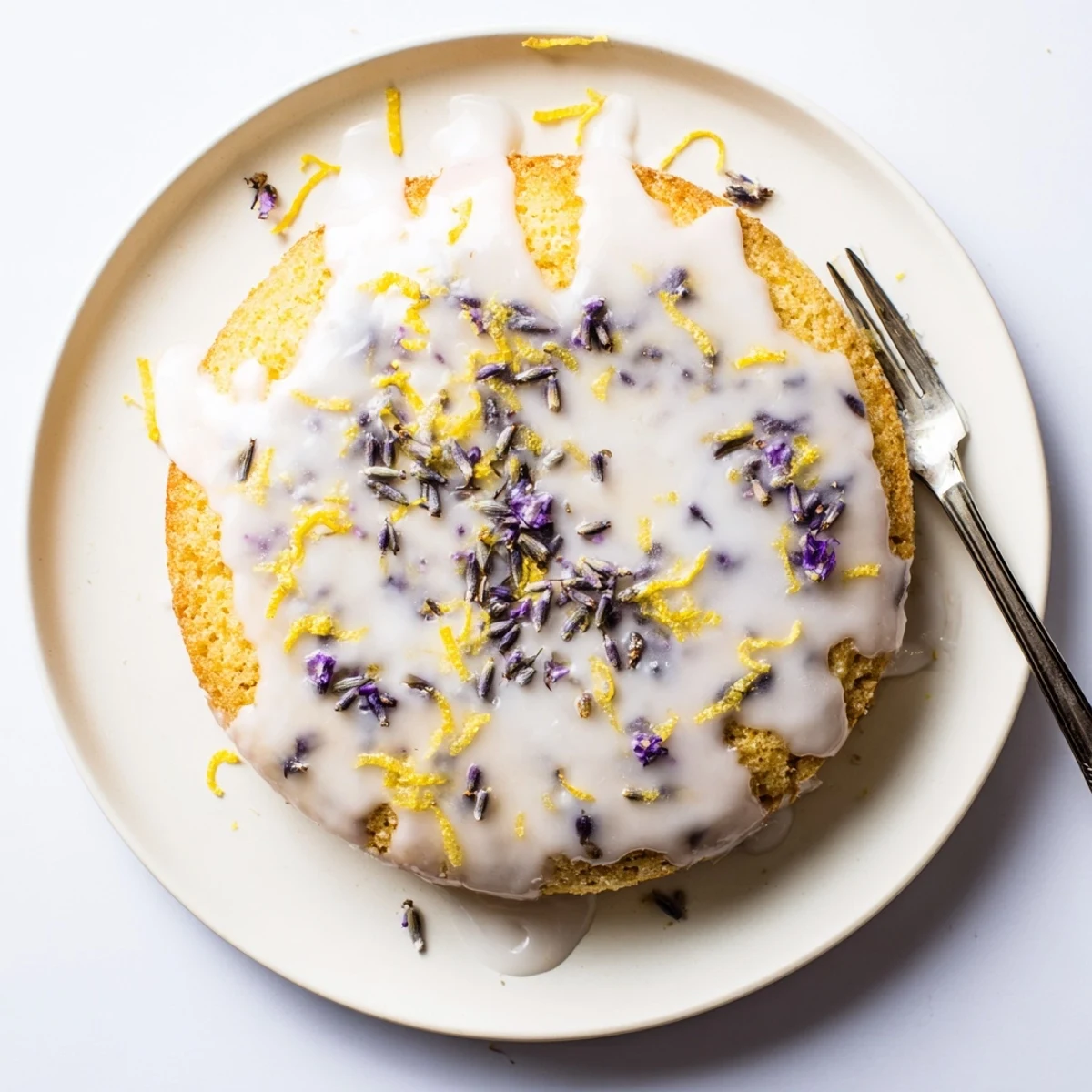
 This elegant lemon lavender cake combines bright citrus flavors with delicate floral notes for a sophisticated dessert. The moist tender crumb is infused with lavender-lemon sugar and brushed with a fragrant syrup while warm. A tangy lemon glaze adds the perfect finishing touch. Ready in under an hour, this cake serves eight beautifully.
The first time I made this cake, my kitchen smelled like a French bakery in Provence. That afternoon sun hit the mixing bowl just right, and I knew this wasn't going to be an ordinary dessert. The lavender buds I'd ordered specialty finally arrived, and there was no way they were sitting in the pantry another day.
My sister came over that weekend and we sat at the counter, watching the oven door like it was delivering lifechanging news. When the glaze finally hit the warm cake, she actually stopped mid-sentence. That's when I knew this recipe was staying in the regular rotation forever.
Ingredients
- All-purpose flour: The foundation that holds everything together without competing with the delicate flavors
- Baking powder and baking soda: Both work together here for that perfect tender rise that doesn't sink
- Salt: Just enough to wake up all the flavors without tasting salty
- Granulated sugar: Gets infused with lavender first, which is the secret to even flavor distribution
- Dried lavender buds: Make sure they're culinary grade so you're not eating pesticides
- Lemon zest: Fresh zest brings those bright aromatic oils that extract just can't replicate
- Unsalted butter: Room temperature is non-negotiable for proper creaming
- Eggs: Room temperature eggs incorporate better and prevent curdling
- Whole milk: Creates tenderness and keeps the crumb soft
- Freshly squeezed lemon juice: Bottled juice lacks that bright punch you need here
- Vanilla extract: The quiet backup singer that makes everything else sound better
- Water and extra sugar: For the syrup that keeps the cake fresh for days
- Powdered sugar: Creates that perfect drizzle consistency for the glaze
Instructions
- Preheat your oven to 350°F (175°C) and prep your pan:
- A 9-inch round cake pan needs love, so grease it thoroughly and either flour it or line with parchment paper so nothing sticks.
- Infuse the sugar:
- Combine granulated sugar, lavender buds, and lemon zest in a small bowl, then rub together with your fingertips until the sugar turns fragrant and slightly purple.
- Whisk the dry ingredients:
- In a medium bowl, combine flour, baking powder, baking soda, and salt so they're evenly distributed before hitting the wet ingredients.
- Cream the butter:
- Beat that softened butter with your lavender-lemon sugar until it's light and fluffy, then add eggs one at a time, followed by vanilla.
- Combine everything:
- Mix in the flour mixture in three parts, alternating with milk and lemon juice, starting and ending with the flour mixture and stopping as soon as it comes together.
- Bake it:
- Pour the batter into your prepared pan, smooth the top, and bake for 30 to 35 minutes until a toothpick comes out clean.
- Make the syrup:
- While the cake bakes, simmer water, sugar, lemon juice, and lavender in a small saucepan, then let it steep for 5 minutes and strain.
- Soak the cake:
- Cool the cake in the pan for 10 minutes, then remove to a rack and brush that warm syrup all over while it's still warm.
- Glaze and serve:
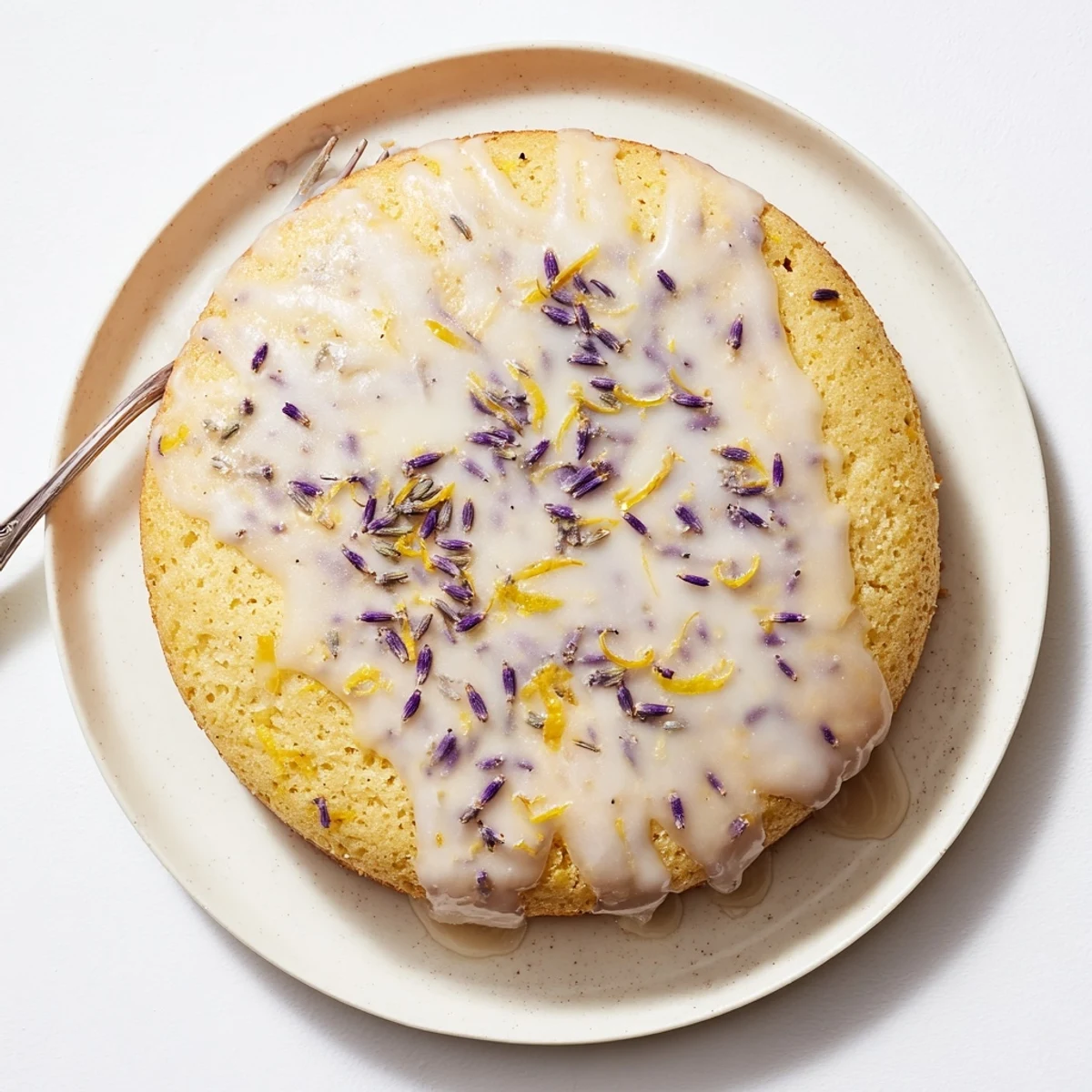
- Once the cake is completely cool, whisk powdered sugar with lemon juice and milk until smooth, then drizzle it over the top and let it set before slicing.
 Pin It
 Last summer, I brought this to a garden party and someone asked if I'd been secretly training as a pastry chef. We ended up sitting around the table way longer than planned, just talking and eating slice after slice.
Choosing Your Lavender
Not all lavender is created equal, and I learned this the hard way with decorative buds from a craft store. Culinary lavender is specifically grown for consumption and has a cleaner, less perfume-heavy flavor. A little goes a long way, so resist the urge to double the amount just because it smells amazing.
Make It Ahead
This cake actually tastes better on day two because those flavors have time to mellow and marry. Wrap it tightly once it's completely cooled, and let it sit at room temperature. The syrup keeps it moist for days, making it perfect for entertaining.
Serving Suggestions
A slice of this deserves a proper tea service moment or at least a quiet afternoon with a good book. The floral notes play beautifully with Earl Grey or a glass of something bubbly and sweet.
- Pair with Earl Grey tea for the ultimate afternoon experience
- A dollop of unsweetened whipped cream cuts the sweetness perfectly
- Serve at room temperature for the softest crumb and brightest flavor
 Pin It
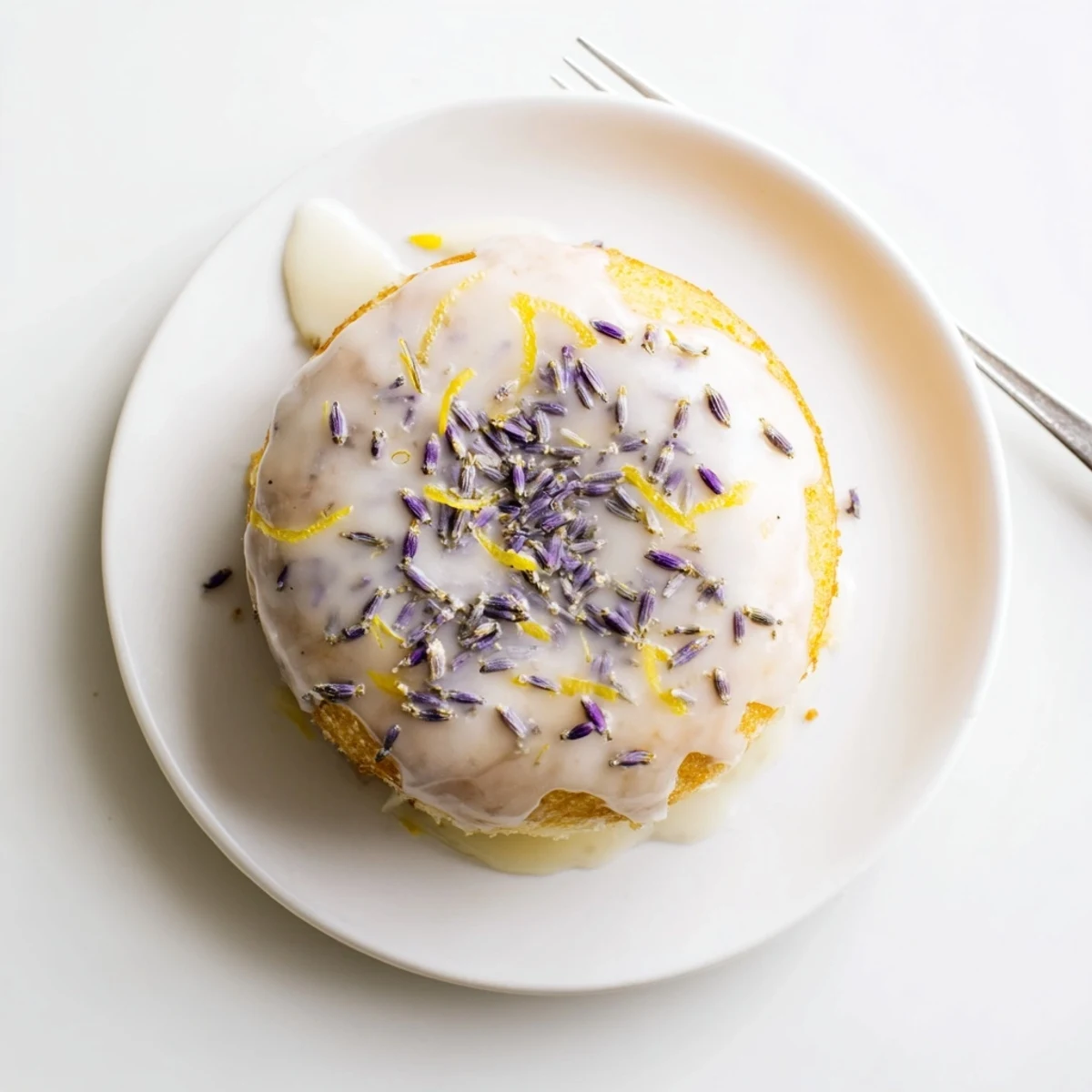
 This cake has become my go-to for moments that deserve something special but don't need a three-day production. Every slice feels like a tiny celebration.
Recipe FAQs
- → Can I use fresh lavender instead of dried?
-
Stick with dried culinary lavender buds for consistent flavor. Fresh lavender contains more water and can make the cake soggy, plus the flavor intensity varies greatly between fresh and dried blooms.
- → How do I know when the cake is done baking?
-
Insert a toothpick into the center of the cake. If it comes out clean or with just a few moist crumbs, the cake is ready. The edges should be lightly golden and starting to pull away from the pan sides.
- → Can I make this cake ahead of time?
-
The cake stays moist for up to 2 days when stored covered at room temperature. The flavors actually develop and intensify overnight. You can also wrap the unglazed cake tightly and freeze for up to 3 months.
- → What makes this cake European style?
-
This cake draws inspiration from classic French patisserie with its flavor infusion technique of rubbing lavender and zest into sugar. The syrup brushing method is also traditional in European baking to ensure moisture and flavor penetration.
- → Can I substitute the all-purpose flour?
-
You can use cake flour for a lighter, more delicate crumb, though the texture will be softer. For gluten-free options, a 1-to-1 baking blend works, though the moisture balance may need slight adjustment.
- → Why is the syrup brushed on while the cake is warm?
-
Warm cake absorbs the syrup more effectively, allowing the lemon-lavender liquid to penetrate deeply into the crumb. This technique ensures every bite is infused with flavor and helps keep the cake moist for days.