
 Pin It
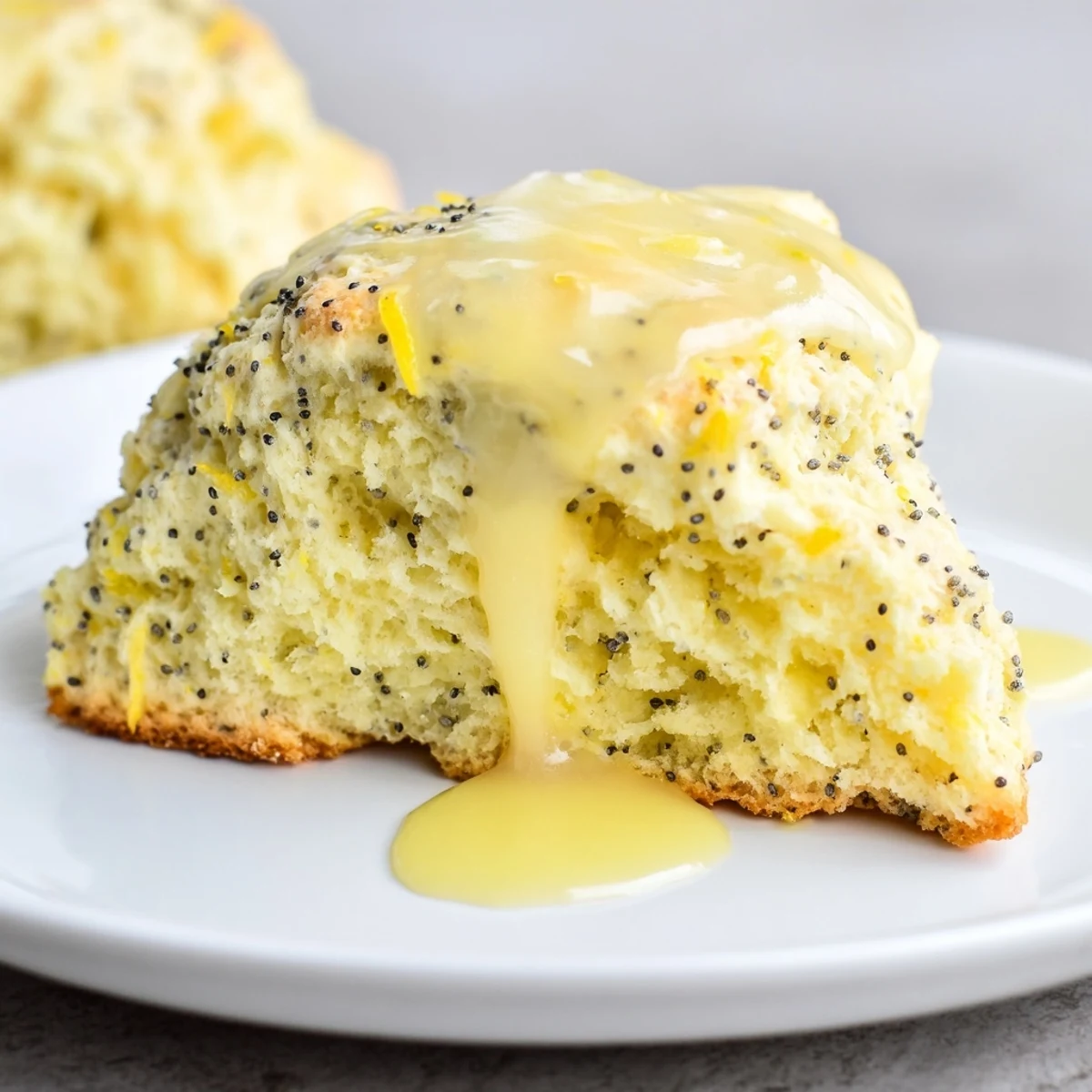
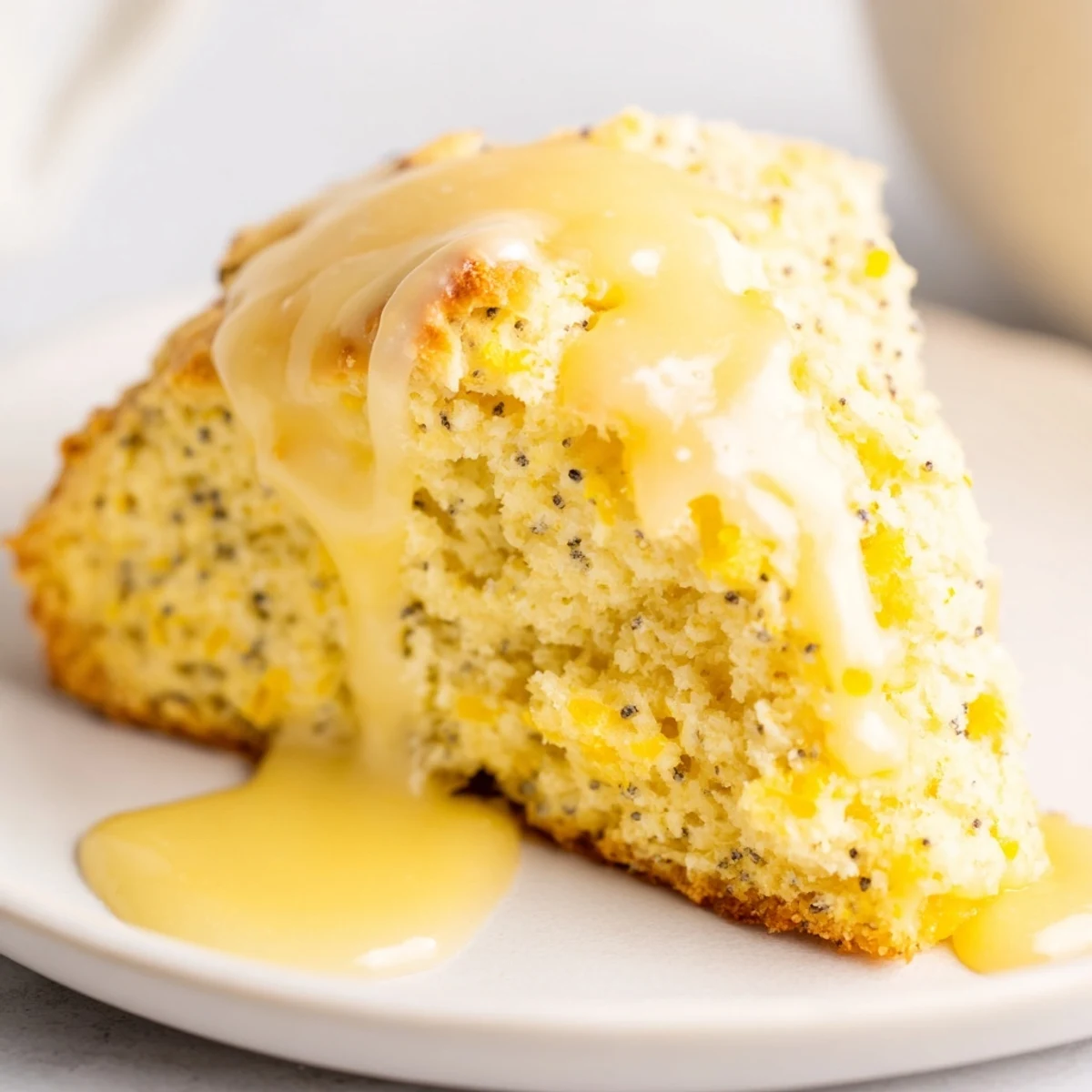
 These tender scones feature a bright burst of lemon paired with crunchy poppy seeds for a delightful texture. The dough is made with cold butter and heavy cream to create a soft, buttery crumb. After baking to a golden brown, they are drizzled with a smooth lemon glaze that adds a fresh, tangy sweetness. Perfect for breakfast, brunch, or an afternoon snack, these scones pair wonderfully with a cup of tea and offer a balance of citrus and delicate richness.
The first time I made lemon poppy seed scones, I was running late for a book club morning and threw everything together in what felt like panic mode. My kitchen smelled incredible, like sunshine and butter, and when I walked in with that basket of warm scones, nobody cared that I was ten minutes late. Now they are my go to when I need something that feels special but does not require me to be a pastry chef or wake up at dawn.
Last spring my neighbor came over unexpectedly and I happened to have a batch cooling on the counter. She took one bite and asked if I would teach her how to make them, which turned into a lovely Saturday morning of flour on our aprons and tea in our favorite mugs. Sometimes the best recipes are the ones that bring people into your kitchen.
Ingredients
- 2 cups all purpose flour: Provides the structure, but do not pack it down or your scones will be dense
- 1/3 cup granulated sugar: Just enough sweetness to balance the tart lemon without making it dessert like
- 1 tbsp poppy seeds: These tiny seeds add a wonderful nutty crunch throughout every bite
- 1 tbsp lemon zest: Use a microplane to get just the yellow part, avoiding the bitter white pith
- 2 tsp baking powder: The primary leavening agent that gives these their rise
- 1/4 tsp baking soda: Works with the acidic ingredients for extra lift
- 1/2 tsp salt: Essential to balance the sweetness and brighten the lemon flavor
- 1/2 cup cold unsalted butter cubed: Cold butter creates those tender flaky layers we love in scones
- 2/3 cup heavy cream: Adds richness and helps create a tender crumb
- 1 large egg: Provides structure and helps bind everything together
- 2 tbsp fresh lemon juice: Brightens the dough and complements the zest beautifully
- 1 tsp vanilla extract: Rounds out the flavors and adds warmth
- 3/4 cup powdered sugar: Creates the perfect tangy sweet glaze finish
- 2 to 3 tbsp fresh lemon juice: Adjust this to get your ideal glaze consistency
Instructions
- Preheat and prep your space:
- Heat your oven to 400°F and line a baking sheet with parchment paper so nothing sticks.
- Whisk the dry mixture:
- In a large bowl combine flour, sugar, poppy seeds, lemon zest, baking powder, baking soda, and salt until everything is evenly distributed.
- Cut in the butter:
- Add the cold cubed butter and work it into the flour with a pastry cutter or your fingertips until the mixture looks like coarse crumbs with some pea sized pieces remaining.
- Mix the wet ingredients:
- In another bowl whisk together the heavy cream, egg, lemon juice, and vanilla extract until smooth.
- Combine gently:
- Pour the wet mixture into the dry ingredients and fold with a spatula just until the dough comes together.
- Shape the dough:
- Turn the dough onto a lightly floured surface and pat it into a 7 inch circle about 1 inch thick.
- Cut and arrange:
- Slice the circle into 8 wedges and place them on your prepared baking sheet with some space between each scone.
- Brush and bake:
- Lightly brush the tops with extra cream and bake for 16 to 18 minutes until golden brown.
- Cool completely:
- Let the scones cool on a wire rack so the glaze does not melt right off.
- Make the glaze:
- Whisk powdered sugar with 2 to 3 tablespoons lemon juice until smooth and pourable then drizzle over the cooled scones.
 Pin It
 My daughter now requests these for her birthday breakfast every year instead of cake. We make them together and she is in charge of the glaze drizzling which always ends up with more on the counter than the scones but that is part of the fun.
Making Ahead
You can cut the scones into wedges and freeze them unbaked on a baking sheet. Once frozen solid transfer them to a bag and bake straight from frozen adding a few extra minutes to the time.
Glaze Consistency
A perfect glaze should slowly run off your whisk in a steady stream. Too thick and it will not coat evenly, too thin and it will soak right into the scone instead of forming a nice layer.
Serving Suggestions
These are best served the day they are made but will keep in an airtight container for two days. Split and toast leftovers with a little butter to refresh them.
- Serve warm with clotted cream and extra lemon curd
- Pair with a strong cup of English breakfast or Earl Grey tea
- Crumble leftovers over yogurt for an instant breakfast parfait
 Pin It
 There is something so cheerful about a lemon poppy seed scone sitting on a pretty plate. Hope these bring a little brightness to your kitchen too.
Recipe FAQs
- → What gives the scones their lemon flavor?
-
The lemon flavor comes from fresh lemon zest and juice incorporated into the dough and glaze, providing a bright, natural citrus taste.
- → Can I substitute the heavy cream in the dough?
-
Yes, Greek yogurt can replace half of the heavy cream for a tangier flavor and moist texture without altering the structure.
- → How do I achieve a flaky texture in these scones?
-
Using cold, cubed butter and cutting it into the dry ingredients creates small butter pockets that melt during baking, resulting in a flaky crumb.
- → What is the purpose of brushing extra cream before baking?
-
Brushing extra cream on top promotes a golden brown, slightly glossy finish and helps the scones develop a tender crust.
- → How should the glaze be applied for best results?
-
Whisk the powdered sugar with fresh lemon juice until smooth and pourable, then drizzle over cooled scones to ensure it sets properly without melting off.