
 Pin It
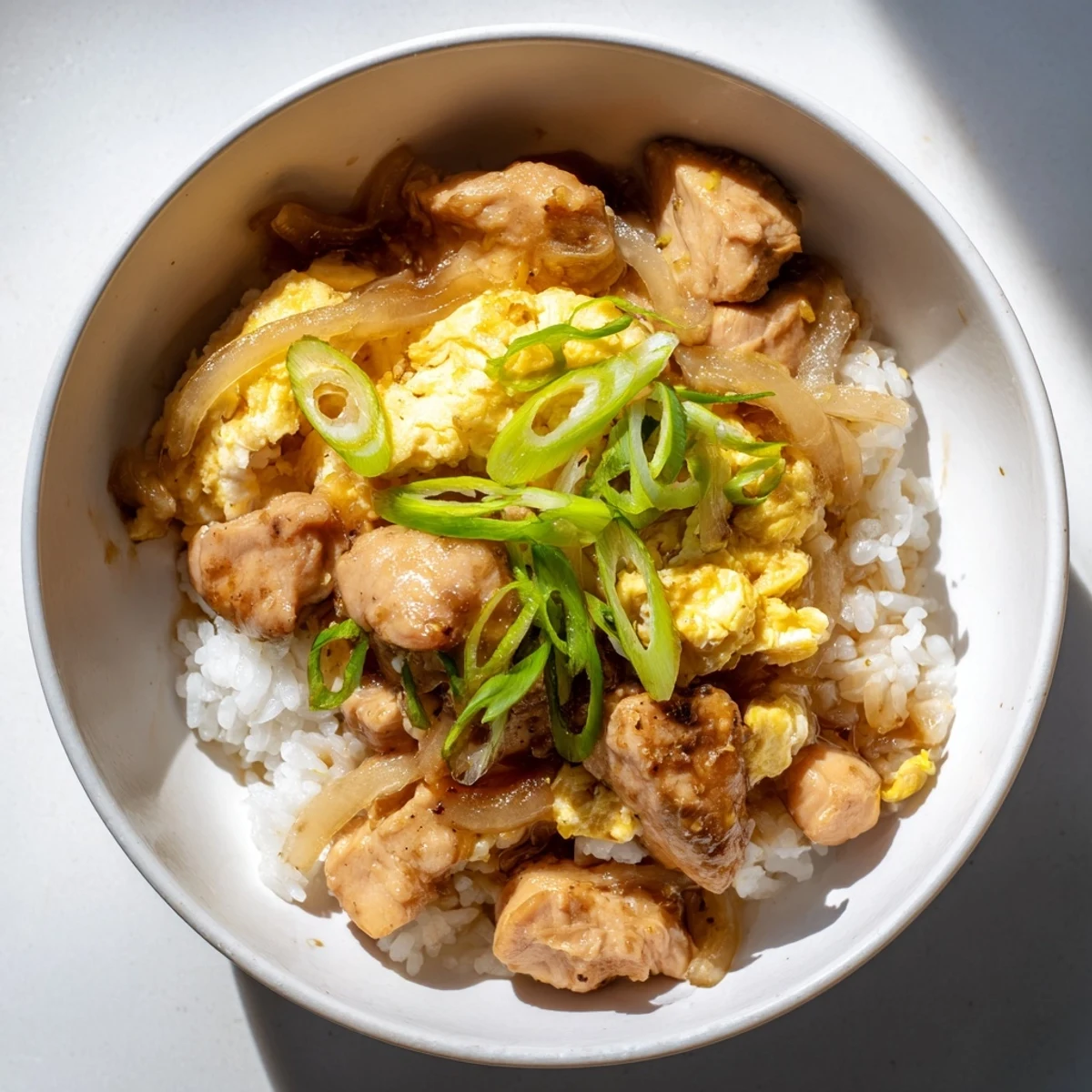
 This beloved Japanese comfort dish brings together tender chicken thigh pieces and soft, silky eggs simmered in a balanced dashi-based sauce. The sweet and savory combination mirrors the traditional flavor found in Japanese homes and casual diners alike.
What makes Oyakodon special is its simplicity—the entire dish comes together in a single pot, allowing the flavors to meld while the eggs gently set atop the chicken. The key is achieving that perfect semi-set texture where the eggs remain slightly custard-like, creating luxurious ribbons that coat every grain of rice beneath.
The dish comes together in just 30 minutes, making it an ideal weeknight dinner. Serve immediately while the eggs are at their ideal texture, garnished with fresh spring onions for a bright contrast to the rich, umami-packed sauce.
Rainy Tuesday evenings in my tiny apartment kitchen became my favorite time to make Oyakodon. Something about the gentle simmering of dashi and soy sauce made the whole world feel calm and warm. My roommate would poke her head in, drawn by the impossible-to-ignore aroma of sweet and savory cooking. We'd end up eating cross-legged on the floor, rice bowls steaming in our hands, completely forgetting whatever stress the day had thrown at us.
I first learned to make this from a grandmotherly neighbor who'd lived in Tokyo for twenty years. She showed me how the timing of the eggs makes all the difference—too early and they disappear into the sauce, too late and they become rubbery. Now I can hear her voice every time I slide that lid back on the pan. 'Wait for it,' she'd say with this knowing smile.
Ingredients
- Chicken thighs: I always use thighs over breast because they stay juicy and tender through the simmering process, plus they have more flavor that seeps into the sauce
- Yellow onion: Thinly slicing these helps them soften quickly and become naturally sweet as they cook down
- Japanese short-grain rice: The sticky, slightly clumpy texture is essential for catching all that precious sauce
- Dashi stock: This forms the umami backbone of the whole dish, though chicken stock works in a pinch
- Soy sauce, mirin, sake, and sugar: This classic combination creates that perfectly balanced sweet-savory flavor profile that Japanese cooking does so well
- Eggs: Lightly beating them before pouring ensures they distribute evenly and cook into that signature fluffy layer
- Spring onions: These add a fresh, bright bite that cuts through all the richness
Instructions
- Get everything ready before you turn on the heat:
- This dish moves quickly once the pan is hot, so have your ingredients prepped and your rice cooked and waiting
- Build your sauce base:
- Combine the dashi, soy sauce, mirin, sake, and sugar in a large skillet, then bring it to a gentle simmer over medium heat while stirring to dissolve the sugar
- Soften the onions:
- Add the sliced onions to the simmering liquid and cook for about 3 minutes until they're translucent and starting to look like they'd be perfect on a burger
- Add the chicken:
- Layer the chicken pieces right on top of the onions, cover the pan, and let it simmer for 6-8 minutes until the chicken is cooked through
- Creating the egg layer:
- Pour the beaten eggs evenly over everything, cover again, and cook for just 1-2 minutes until they're softly set but still slightly runny in places
- Serve it up:
- Scoop hot rice into bowls and gently slide portions of the chicken, egg, and sauce over the top, finishing with those fresh spring onions
 Pin It
 This recipe became my go-to comfort food during a particularly lonely year after college. Something about the warmth of the rice and the richness of the eggs felt like company even when I was eating alone. Now it's the first thing I make for friends who need a little extra care.
Getting The Rice Right
I've learned that short-grain rice makes or breaks this dish. Long-grain varieties just don't cling to the sauce the same way, and you end up with pools of flavorful liquid at the bottom of your bowl instead of evenly distributed deliciousness. If you can find Japanese rice specifically labeled for sushi or donburi, grab it. The slight stickiness is exactly what you want.
Timing The Eggs
The window between perfectly soft and overcooked eggs is shockingly small—maybe thirty seconds. I set a timer as soon as I pour them in now, after too many bowls of rubbery disappointment taught me the hard way. You're looking for that sweet spot where the whites are opaque but the yolks still have some movement. The residual heat will finish them as you serve.
Building Your Bowl
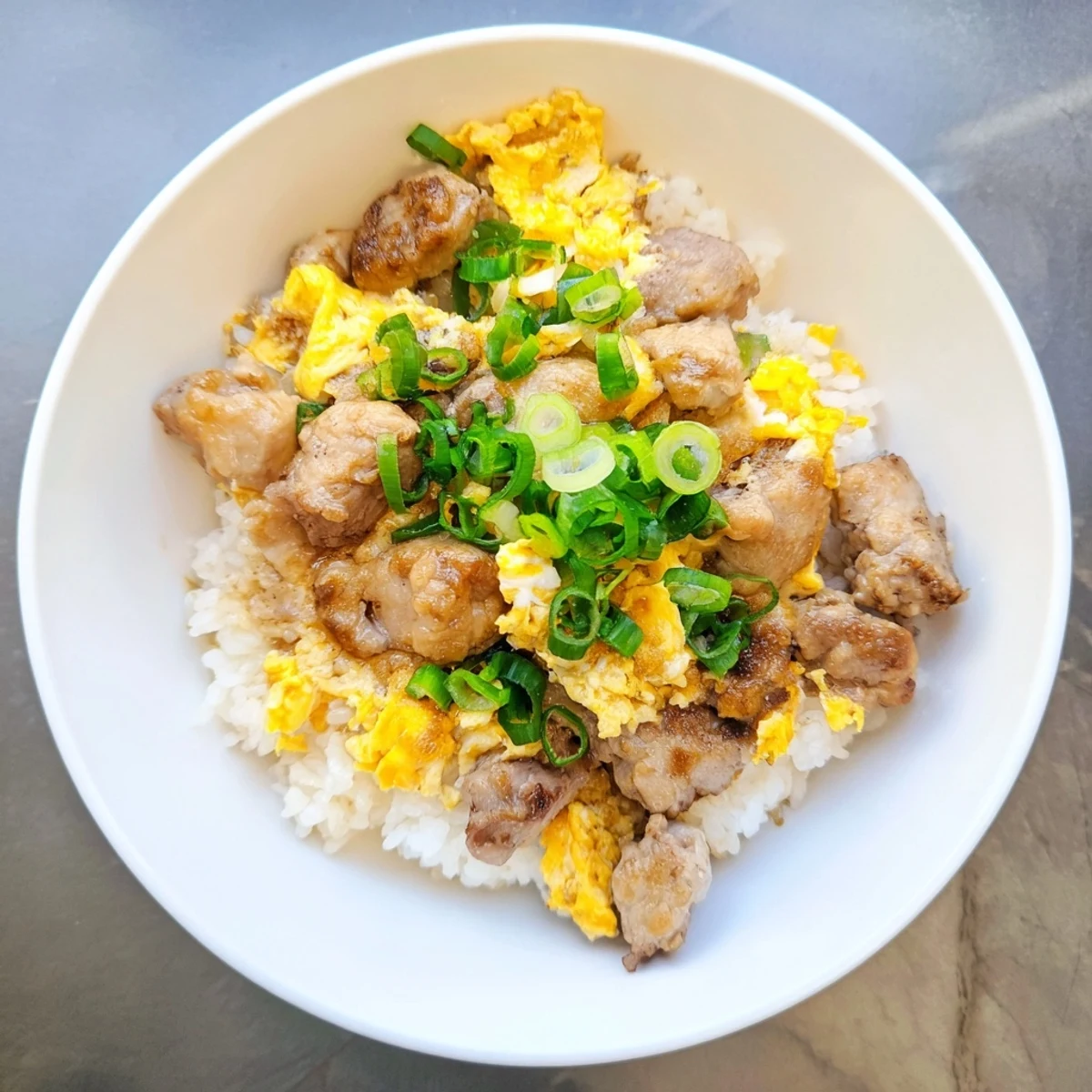
There's an art to assembling Oyakodon that I didn't appreciate at first. Put your rice in first, making a slight well in the center, then spoon the chicken and egg mixture into that depression. This way all that incredible sauce pools in the middle instead of running off the sides. Top with more spring onions than you think you need—they provide a crucial fresh contrast to all that rich, savory goodness.
- Warm your serving bowls first so the rice stays piping hot throughout the meal
- Have everything ready to serve immediately, as this dish doesn't hold well once the eggs set completely
- Keep some extra dashi or water nearby in case you need to loosen the sauce at the end
 Pin It
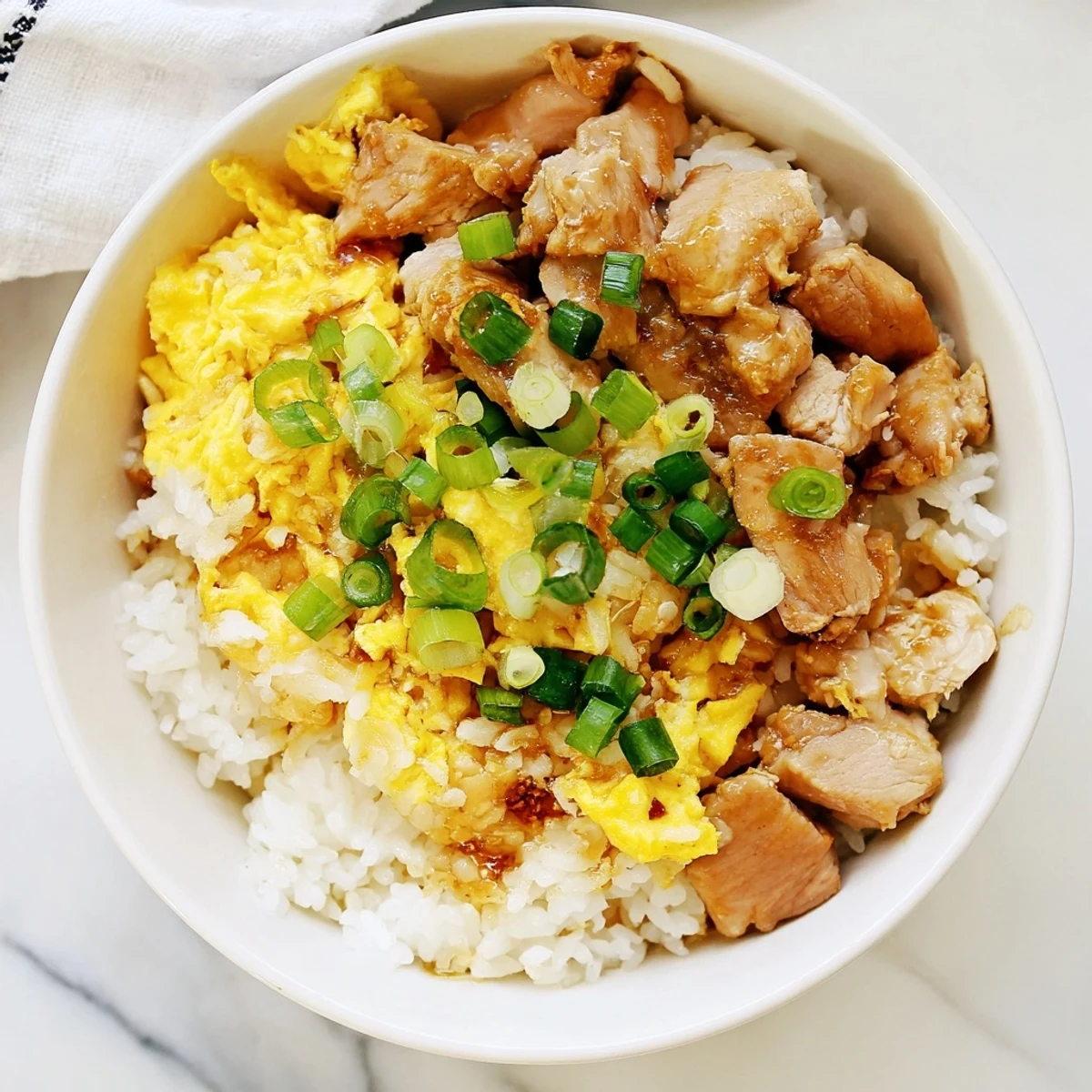
 There's something profoundly satisfying about a dish that transforms humble ingredients into something so comforting. I hope this brings the same warmth to your kitchen as it has to mine.
Recipe FAQs
- → What does Oyakodon mean?
-
Oyakodon literally translates to "parent-and-child bowl"—a poetic reference to the chicken and egg served together. This naming tradition is common in Japanese cuisine when both elements appear in the same dish.
- → Can I make Oyakodon gluten-free?
-
Yes, simply substitute regular soy sauce with tamari and ensure your mirin and sake are labeled gluten-free. The dashi stock should also be verified, though traditional fish-based dashi is naturally gluten-free.
- → Why are the eggs slightly runny?
-
The soft, barely-set texture is intentional and crucial to the dish. The eggs continue cooking from residual heat, so removing them while still slightly runny ensures they remain silky rather than rubbery or overcooked.
- → Can I use chicken breast instead?
-
While chicken breast works, thigh meat is preferred for its higher fat content and juiciness. If using breast, avoid overcooking—reduce simmering time to 4–5 minutes to prevent drying out the leaner meat.
- → What type of rice works best?
-
Japanese short-grain rice is essential for its sticky, slightly sweet texture that absorbs the savory sauce. Long-grain varieties like basmati or jasmine lack the proper consistency and won't hold the dish together as well.
- → How do I store leftovers?
-
Oyakodon is best enjoyed immediately, as the eggs continue to set and the rice softens. If storing, keep components separate and reheat gently, though the texture won't match the freshly made version.