 Pin It
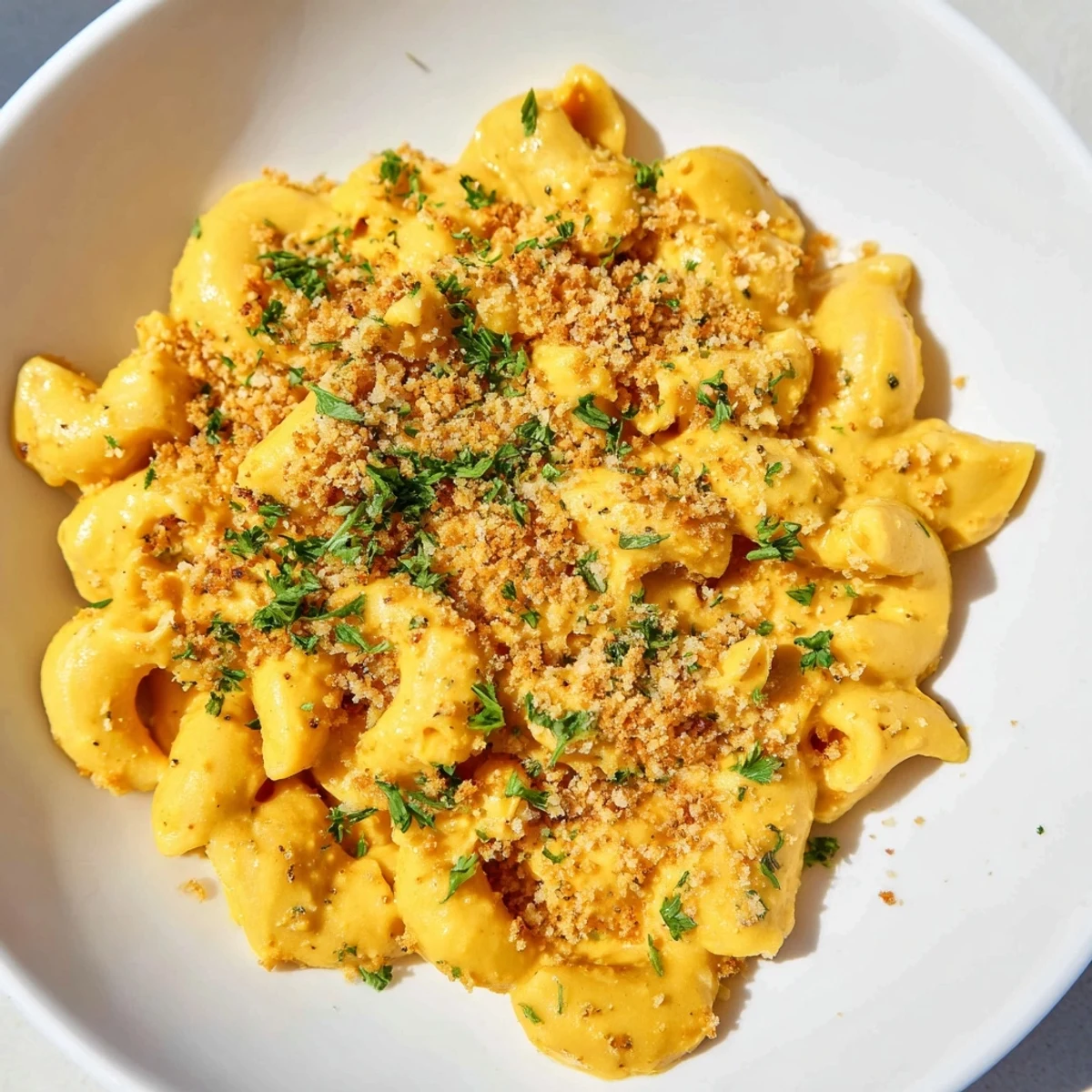
 This dish combines roasted butternut squash with soaked cashews and plant-based milk blended into a creamy sauce that coats tender elbow macaroni. Roasting the squash enhances its natural sweetness while the cashew cream adds richness without dairy. Optional toasted panko topping provides a satisfying crunch. With simple seasoning including garlic, onion powder, and a hint of turmeric for color, this comforting meal is perfect for a wholesome vegan main course. Ready in about an hour, it balances nutrition with indulgent flavors for a satisfying plant-based dinner.
The smell of roasting butternut squash filling my apartment on a gray November afternoon changed everything I thought I knew about comfort food. My roommate peeked into the kitchen, suspicious of the blender whirring away with cashews and nutritional yeast. She took one bite of that golden sauce clinging to elbow macaroni and immediately asked for the recipe. Now its the dinner I make when someone needs a hug, but cant have dairy.
Last winter my sister came over recovering from the flu, craving something comforting but wanting to eat clean. I watched her eyes widen when I told her the cheesy sauce was actually squash and nuts. She ate three bowls sitting on my couch, wrapped in a blanket, declaring it better than any restaurant version shes had. That moment of seeing someone truly nourished and satisfied by plant-based food stuck with me.
Ingredients
- 350 g (12 oz) elbow macaroni or short pasta: Choose something with nooks and crannies to catch that sauce. I love how classic elbows feel nostalgic but any short pasta works beautifully here.
- 1 medium butternut squash (about 900 g / 2 lbs): The sweeter the squash, the better the sauce. Look for one that feels heavy for its size with a deep tan color. Peeling takes some effort but roasting concentrates the natural sugars.
- 1 tbsp olive oil: Just enough to help the squash caramelize in the oven. I learned the hard way that skipping this leaves the squash less flavorful.
- 1 tsp salt and 1/2 tsp black pepper: Start here but remember the sauce will need more seasoning later. Roasted squash can handle a generous hand with salt.
- 100 g (2/3 cup) raw cashews: Soaking them is non-negotiable for that silky texture. I once tried skipping this step and ended up with grainy sauce. Fifteen minutes in hot water transforms everything.
- 250 ml (1 cup) unsweetened plant-based milk: Oat milk is my go-to for creaminess but soy works beautifully too. Avoid anything too sweet or flavored.
- 2 tbsp nutritional yeast: This is what creates that savory, cheesy depth. The flakes blend more easily than the powdered kind in my experience.
- 1 tbsp lemon juice: Brightens all the roasted sweetness and cuts through the richness. Fresh squeezed makes a noticeable difference.
- 2 tsp Dijon mustard: Adds that subtle sharpness you expect from cheese sauce. Dont worry, it wont taste mustardy in the final dish.
- 1/2 tsp garlic powder, 1/2 tsp onion powder: The foundation of savory flavor. Fresh garlic can sometimes overpower the delicate squash notes.
- 1/4 tsp ground turmeric: Mostly for that gorgeous golden color that mimics cheddar. The earthy flavor is a bonus.
- 2 tbsp panko breadcrumbs and 1 tbsp olive oil: That crunchy topping takes this from weeknight dinner to company-worthy. Fresh parsley adds a pop of color against the golden sauce.
Instructions
- Roast the squash:
- Preheat your oven to 200°C (400°F) and line a baking tray. Toss your cubed butternut squash with olive oil, salt, and pepper until every piece is coated. Spread them out so they have room to breathe. Roast for 25-30 minutes until tender and starting to caramelize at the edges.
- Soak the cashews:
- While the squash roasts, cover your cashews with hot water. Set a timer for 15 minutes and drain them well. This softens them enough to blend completely smooth.
- Cook the pasta:
- Bring a large pot of salted water to boil. Cook your pasta until al dente. Drain it but dont rinse. That starch on the surface helps the sauce cling to every piece.
- Blend the sauce:
- Add roasted squash, drained cashews, plant-based milk, nutritional yeast, lemon juice, mustard, and spices to a high-speed blender. Blend until completely silky smooth. This might take a minute or so depending on your blender.
- Season and taste:
- Give your sauce a taste. It might need more salt, an extra squeeze of lemon, or even a pinch more garlic powder. Trust your palate here.
- Combine everything:
- Pour the sauce back into your pasta pot. Add the drained pasta and stir gently over low heat until every piece is coated and warmed through. The sauce thickens slightly as it heats.
- Add the topping:
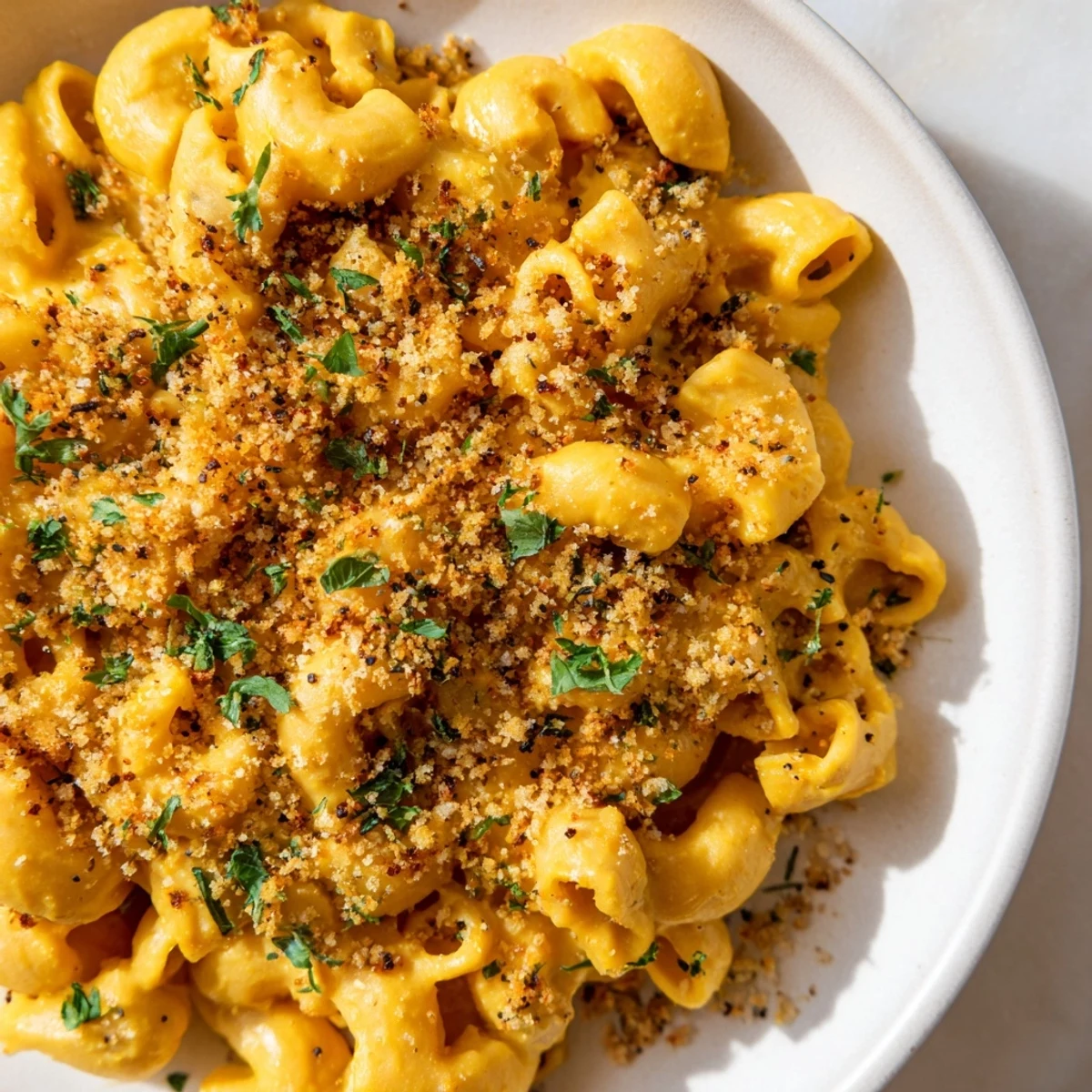
- Mix panko with olive oil in a small skillet. Toast over medium heat, stirring constantly until golden brown. Sprinkle over bowls of mac and cheese with fresh parsley.
 Pin It
 My friend Sarah, who was convinced she hated vegan cheese, finally tried this at a potluck last fall. She stood in my kitchen cornering me about how I got that sauce so creamy. Watching people experience plant-based food without the skepticism has become one of my favorite things about cooking. Food is such a gentle way to open minds.
Make It Your Own
Once you master the base sauce, the variations are endless. Ive added roasted red peppers for sweetness, spinach for color, or even a pinch of smoked paprika for a barbecue twist. The basic formula of roasted vegetable plus cashew cream is incredibly forgiving. Some nights I throw in whatever roasted vegetables I have on hand. Carrots add subtle sweetness while roasted cauliflower makes it lighter. Trust your instincts.
Perfecting The Texture
The difference between good and great sauce often comes down to blending time. I learned this after serving a slightly grainy version to myself one too many times. Let your blender run longer than you think necessary. If you have a tamper, use it to push everything down into the blades. That extra minute transforms the experience from homemade to restaurant quality.
Serving Suggestions
This mac and cheese holds its own as a main dish but the right sides elevate it to something special. A crisp green salad with acidic dressing cuts through the richness beautifully. Roasted Brussels sprouts add bitterness that balances the sweet squash. Sometimes I serve it alongside a simple soup for a comforting spread.
- Leftovers reheat surprisingly well. Add a splash of milk and warm gently over low heat.
- The sauce works beautifully over baked potatoes or steamed vegetables if you want to skip the pasta.
- Double the batch and freeze portions in individual containers for quick weeknight meals.
 Pin It
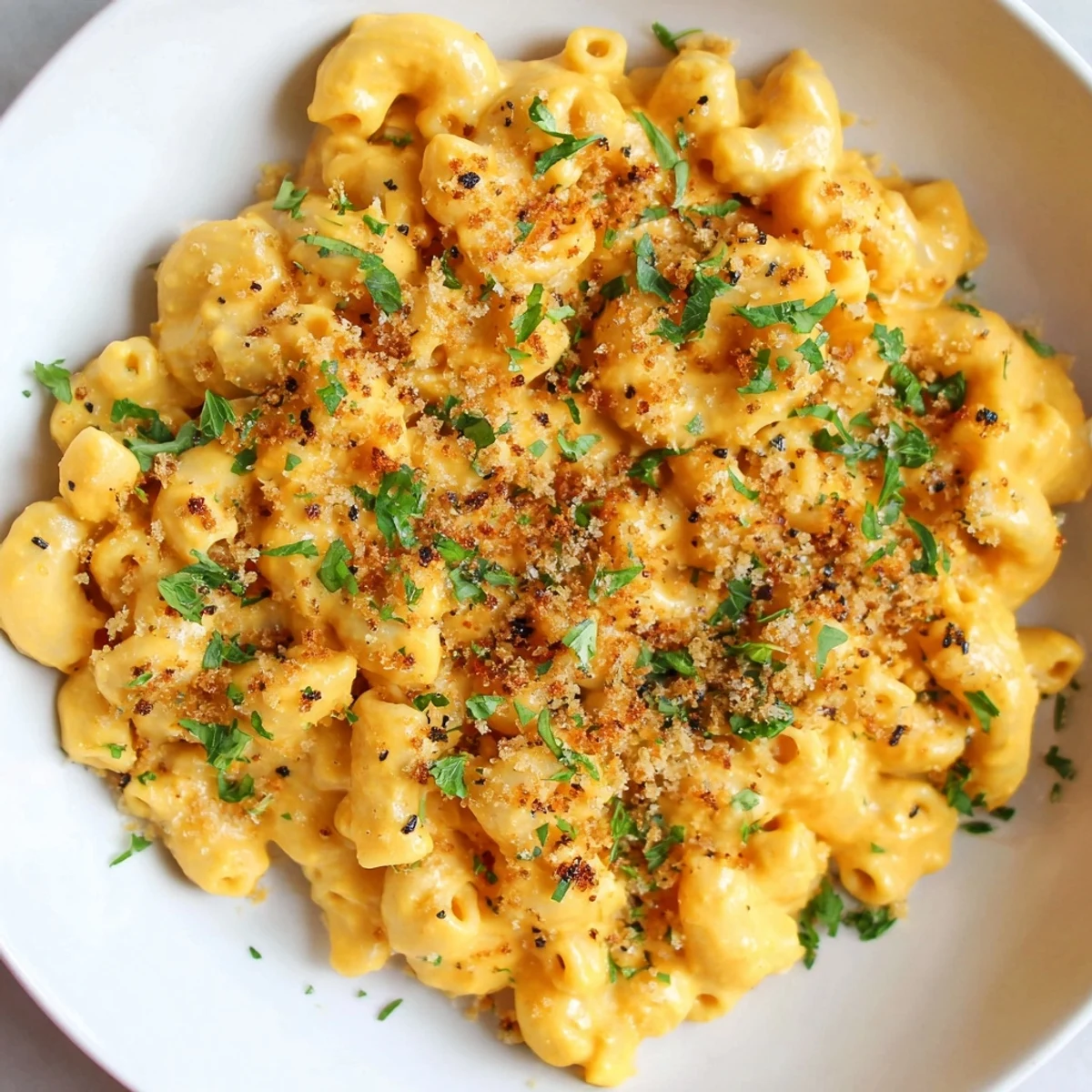
 There is something profoundly satisfying about serving food that comforts people while also aligning with their values. This recipe proved to me that plant-based eating never means sacrificing the foods we love. It just means reimagining them with care and creativity.
Recipe FAQs
- → How do I roast the butternut squash properly?
-
Peel and cube the squash, toss with olive oil, salt, and pepper, then roast at 200°C (400°F) for 25-30 minutes until soft and caramelized.
- → Can I use different pasta types?
-
Yes, elbow macaroni or any short pasta works well; gluten-free pasta can be substituted if preferred.
- → What is the purpose of soaking cashews?
-
Soaking softens the cashews, making them easier to blend into a smooth, creamy sauce without lumps.
- → How can I make the dish gluten-free?
-
Use gluten-free pasta and substitute panko breadcrumbs with gluten-free alternatives for the topping.
- → Are there optional flavor enhancements?
-
Yes, adding smoked paprika or hot sauce to the sauce can introduce extra depth and a touch of heat.