
 Pin It
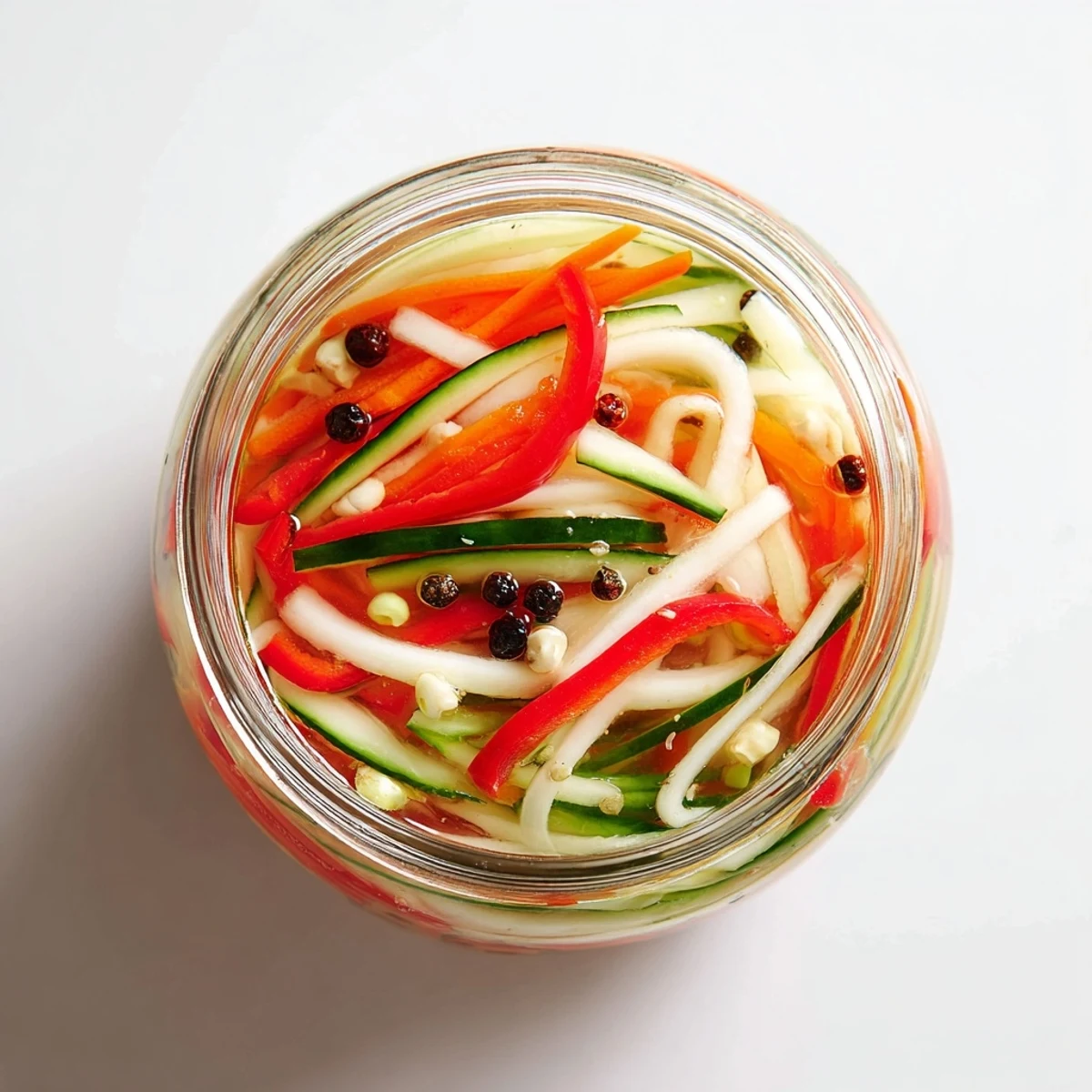
 This vibrant medley combines daikon radish, carrots, cucumber, and bell pepper in a balanced rice vinegar brine. The vegetables develop a satisfying crunch and complex sweet-tangy profile after marinating. Perfect for elevating banh mi sandwiches, adding brightness to rice bowls, or serving as a refreshing contrast to rich meats. The preparation involves briefly salting vegetables for extra crispness, then submerging them in a cooled sweet-sour brine. Keep refrigerated for up to two weeks, with flavors deepening over time.
The first time I made these pickles, I was rushing to finish a banh mi spread for friends who were already on their way over. I didnt have time for a long fermentation, so I threw together this quick-pickle version and hoped for the best. When my friend Mai took her first bite, she stopped mid-sentence and asked for the jar, saying it reminded her of her grandmothers kitchen in Hanoi.
Last summer, I started keeping a constant jar in the refrigerator. My teenage daughter, who usually turns her nose up at anything pickled, started stealing them straight from the jar as after-school snacks. Now I make double batches just to keep up.
Ingredients
- Daikon radish: The backbone of this medley, providing that satisfying crunch and mild peppery bite that holds everything together
- Carrots: Add natural sweetness and gorgeous color that makes the jar look like edible confetti
- Cucumber: Brings freshness and water content, lightening the whole mix beautifully
- Rice vinegar: Gentler than white vinegar with a subtle sweetness that ties the brine together
- Sugar: Essential for that classic Vietnamese pickle profile, balancing the sharpness
- Garlic and peppercorns: These optional aromatics sneak in complexity that people notice but cant quite identify
Instructions
- Prep your vegetables:
- Julienne everything uniformly so each bite gets the same mix of flavors and textures. Take your time here, even cutting against the vegetables, making ribbons if the julienne feels tedious.
- Salt for crunch:
- Toss the vegetables with salt and let them sweat for 15 minutes. This step draws out excess water and keeps them satisfyingly crisp even after days in the brine.
- Dissolve the brine:
- Heat the vinegar, water, sugar, and salt just until dissolved, stirring gently. Youll see the liquid turn from cloudy to clear, letting you know its ready to cool.
- Layer and pack:
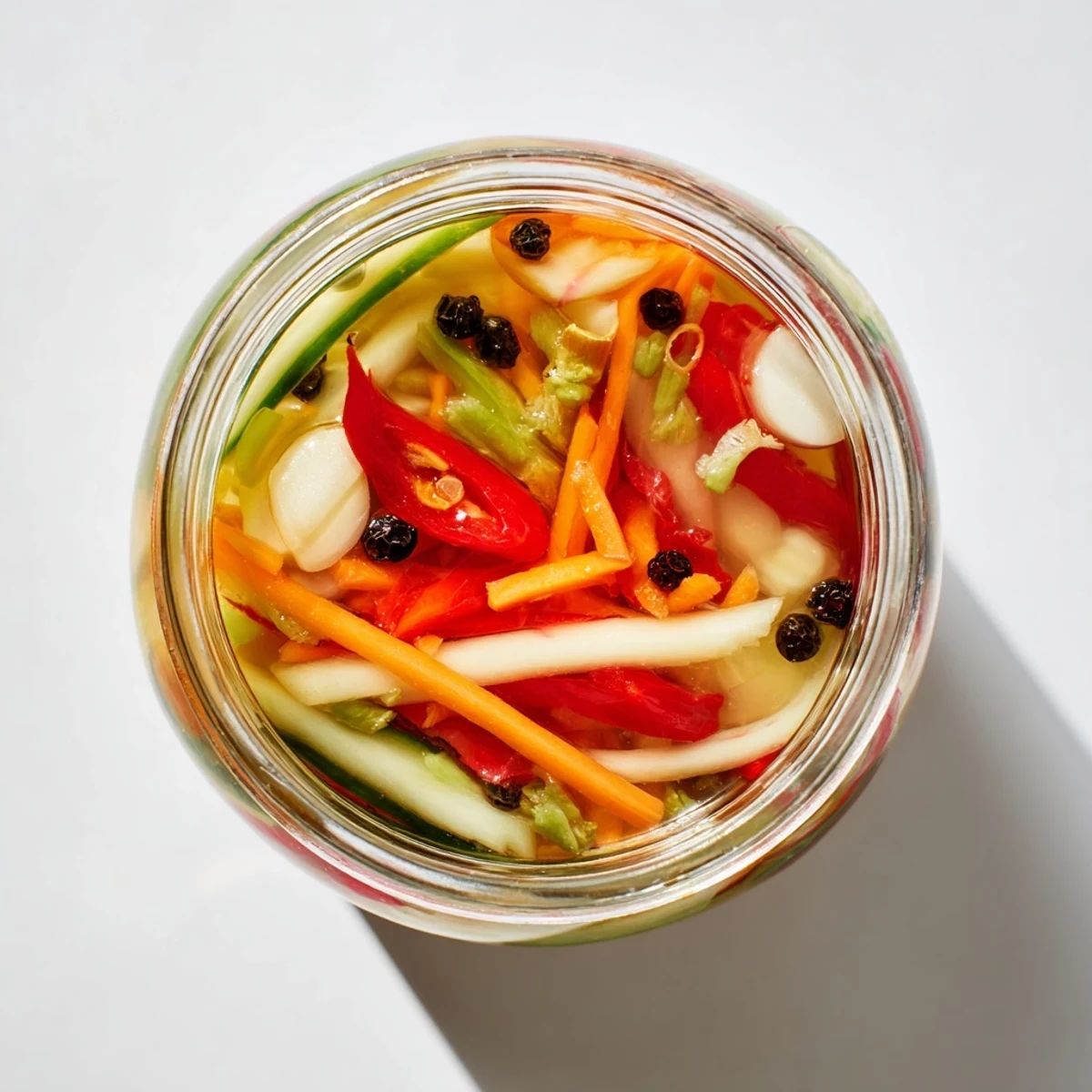
- Fill your jar with vegetables, tucking in garlic slices and peppercorns as you go. Press down gently to eliminate air pockets but dont crush the vegetables.
- Pour and wait:
- Cover everything completely with cooled brine and seal tight. The hardest part is walking away, but give it at least two hours before you start testing.
 Pin It
 Ive learned to tuck a small piece of folded parchment or a clean glass pickle weight on top to keep everything under the brine. It saves me from the heartbreak of opening the fridge to find sad, oxidized vegetable bits floating at the top.
Getting The Perfect Cut
A mandoline makes quick work of julienning, but I actually prefer using a sharp knife and taking my time. Hand-cut vegetables have more character, and somehow the slight irregularities make each bite feel more honest. If you're new to knife skills, daikon and carrots are wonderfully forgiving practice vegetables.
Serving Suggestions
Beyond the obvious banh mi application, these pickles transform a simple bowl of rice and fried egg into something special. They cut through rich braised meats and wake up grain bowls. I even chop them finely and fold into potato salad for unexpected brightness.
Making It Your Own
The recipe is forgiving once you understand the basic vinegar to sugar to salt ratio. In winter, I add thin slices of winter radish or kohlrabi. Summer brings green beans and cauliflower florets into the rotation. The technique stays the same, only the vegetables change.
- Try apple cider vinegar for a mellower, fruitier twist
- Add a star anise or cinnamon stick for warm spice notes
- Throw in fresh herbs like Thai basil just before serving
 Pin It
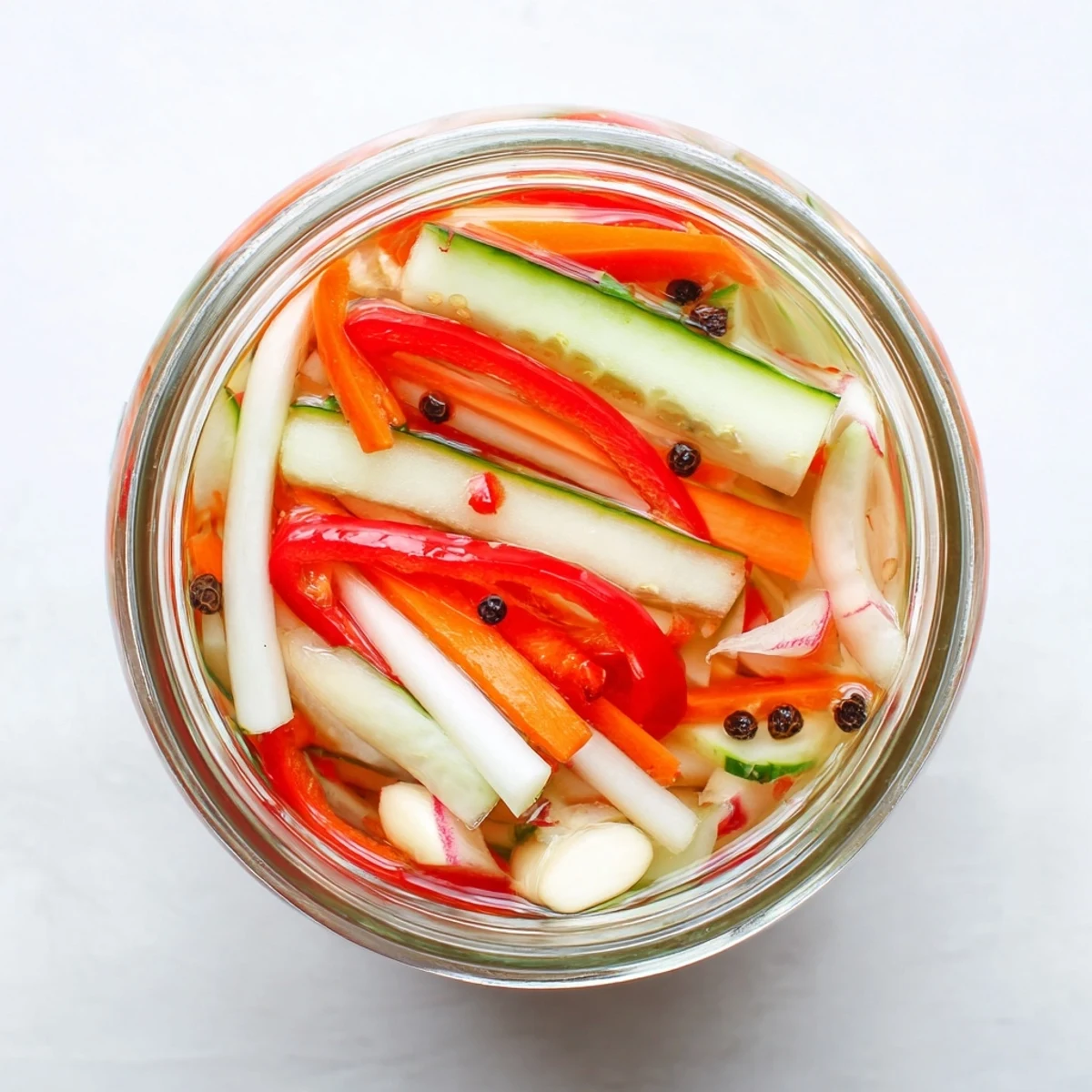
 Something about opening the refrigerator door and seeing that colorful jar waiting there makes everything feel possible.
Recipe FAQs
- → How long should I let the vegetables pickle?
-
Let the vegetables refrigerate for at least 2 hours before serving, though overnight marinating yields the best flavor. The vegetables will continue developing more complex tangy notes over the next few days.
- → Can I adjust the sweetness or tanginess?
-
Absolutely. Increase sugar for a sweeter profile or add more rice vinegar for extra tang. Taste the brine before pouring over vegetables and adjust to your preference while the liquid is still warm.
- → What vegetables work best for Vietnamese pickling?
-
Daikon and carrots are traditional staples, but cucumber, red bell pepper, and mild chilies add excellent color and crunch. You can also incorporate green beans, cauliflower, or thinly sliced cabbage for variation.
- → Do I need to cook the vegetables before pickling?
-
No cooking is required. The vegetables are left raw and crisp, softened only by the salt and vinegar. Brief salting helps draw out excess moisture, ensuring the final texture remains satisfyingly crunchy.
- → How should I store these pickles?
-
Keep the jar tightly sealed in the refrigerator. The pickles will stay fresh for up to 2 weeks. Always use clean utensils when removing portions to prevent contamination and extend shelf life.
- → What dishes pair well with these pickled vegetables?
-
These pickles shine in banh mi sandwiches, atop rice bowls, or alongside grilled meats and seafood. They also add bright acidity to balance rich curries, noodle dishes, or even as a standalone snack.