
 Pin It
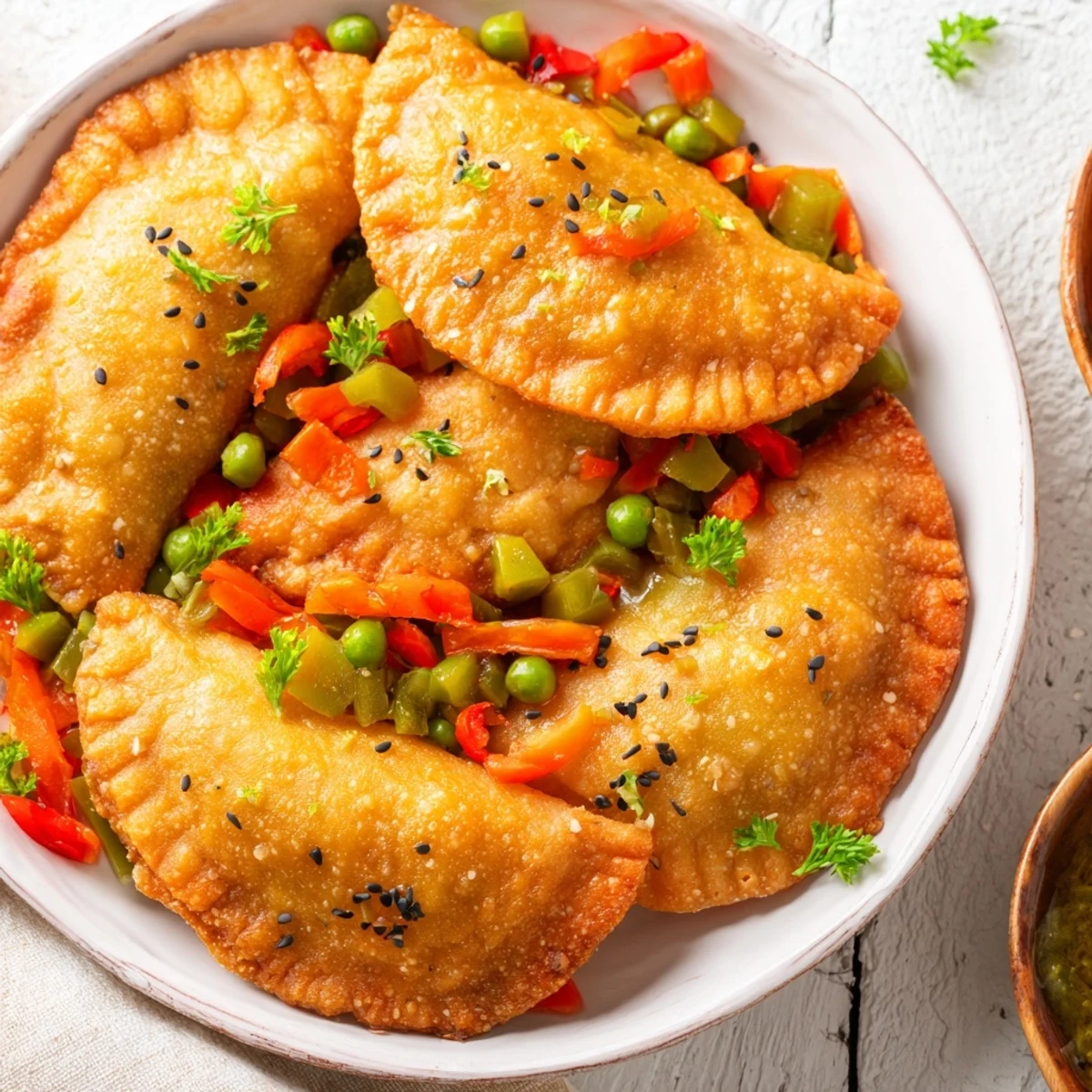
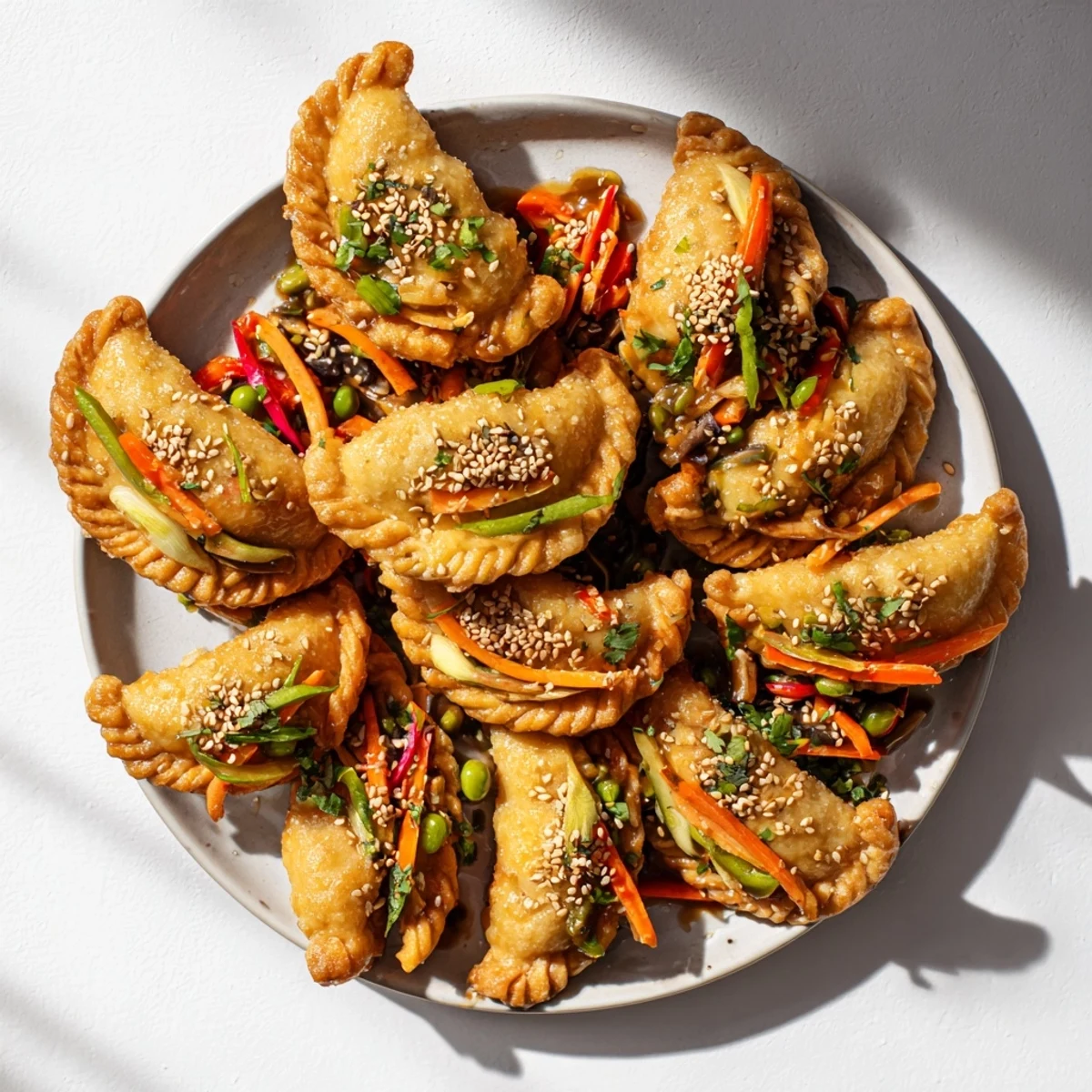
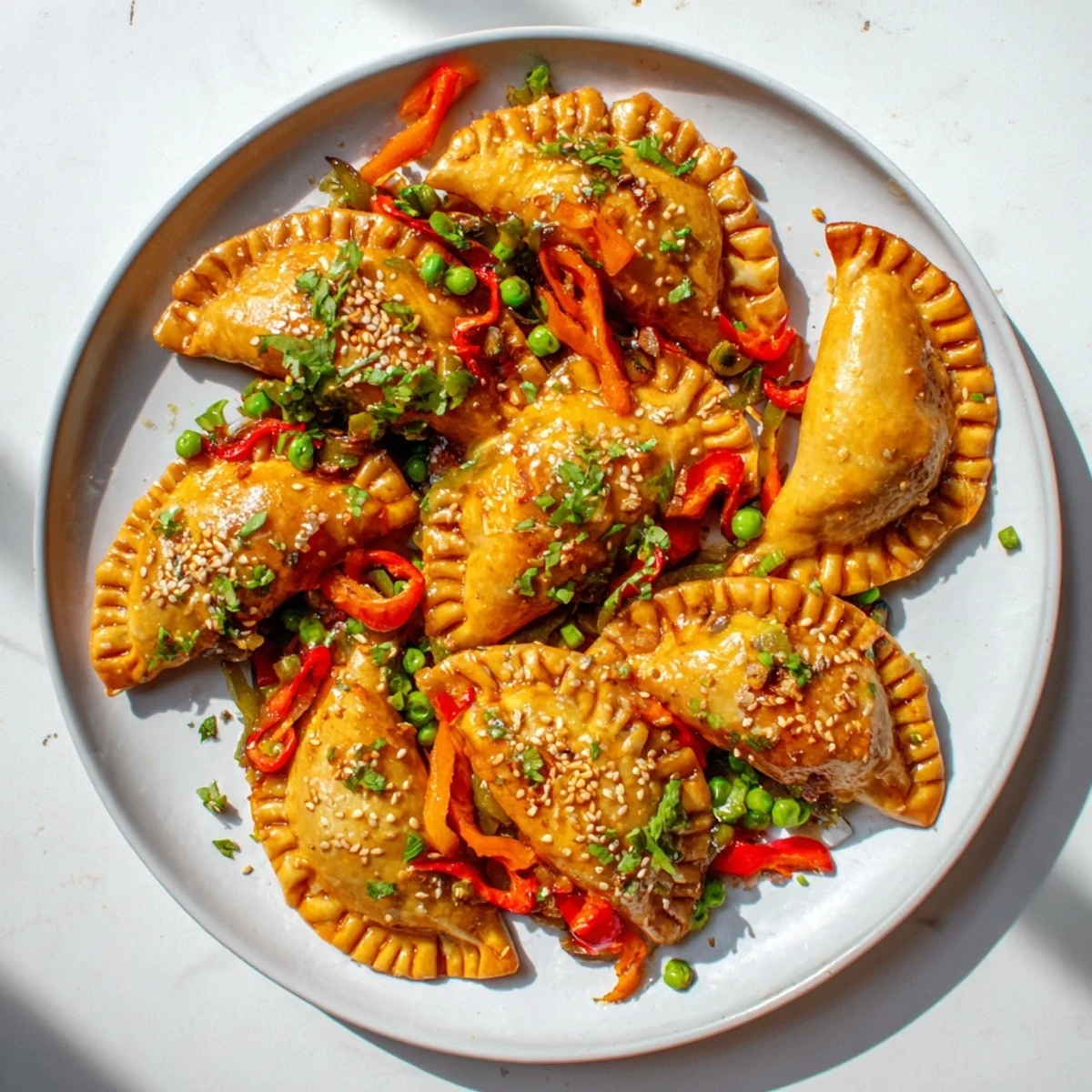
 This quick 30-minute dish transforms frozen potstickers into a crispy, satisfying meal. The dumplings develop golden bottoms through a simple steam-then-fry technique, while colorful vegetables stay tender-crisp. A well-balanced sauce combining soy, oyster sauce, and hoisin creates that signature umami-rich coating you'd find in restaurants.
The method works beautifully with any protein-filled dumpling—pork, chicken, or vegetable versions all shine here. Feel free to customize the vegetable medley based on what's in your crisper drawer. For extra depth, try adding a splash of chili oil or serving alongside steamed rice to soak up the flavorful sauce.
The first time I made this, my roommate walked in mid-cooking and asked if I'd accidentally dumped dinner into the wok. That steamy pan smell—ginger hitting hot oil, caramelized soy sauce, the moment when frozen dumplings transform into something restaurant-worthy—had her hovering over the stove with a fork before I could even find the sesame seeds. Now it's the go-to when takeout feels too far but cooking dinner feels like too much effort.
Last Tuesday, after a particularly brutal day at work, I stood at the stove watching the water evaporate from under those dumplings and felt my shoulders actually drop two inches. There's something deeply satisfying about hearing that sizzle when the potstickers hit the oil, watching the vegetables turn bright and vibrant, and knowing that in ten minutes, you'll be eating something that feels like a treat rather than a chore.
Ingredients
- 16 frozen or fresh potstickers: Pork, chicken, or vegetable—frozen ones actually work beautifully here since they get pan-fried anyway
- 1 cup bell pepper, sliced: Any color works, but the red ones add sweetness that balances the salty sauce
- 1 cup snap peas, trimmed: They stay crunchy even after the quick stir-fry, which I love for texture
- 1 cup baby carrots, julienned: Cut them thin so they cook through without becoming mushy
- 1 cup mushrooms, sliced: Button or cremini both soak up that sauce like tiny flavor sponges
- 3 green onions, sliced: Save some for that final sprinkle—fresh onion pop makes everything taste finished
- 2 cloves garlic, minced: Fresh garlic, not jarred—your future self deserves better
- 1 tablespoon fresh ginger, minced: Peel it with a spoon, not a knife, and grate it if you're feeling lazy
- 1/4 cup low-sodium soy sauce: Regular soy sauce makes the dish too salty once it reduces
- 1 tablespoon oyster sauce: Vegetarian version works perfectly if that's your jam
- 1 tablespoon hoisin sauce: This is the secret ingredient that gives it that glossy, restaurant finish
- 2 teaspoons sesame oil: Toasted sesame oil adds that nutty depth you can't quite identify but definitely notice when it's missing
- 1 teaspoon rice vinegar: Just enough brightness to cut through all the rich sauces
- 1/2 teaspoon sugar: Balances the salt and helps everything caramelize slightly
- 2 teaspoons sesame seeds: Toast them in a dry pan first if you want maximum flavor
- Fresh cilantro: A handful, roughly torn—don't skip it, it wakes up the whole dish
Instructions
- Whisk your sauce while the skillet heats:
- In a small bowl, combine soy sauce, oyster sauce, hoisin, sesame oil, rice vinegar, and sugar. Whisk until the sugar dissolves completely—taste it now and adjust if you want it sweeter or saltier.
- Get those potstickers golden and crispy:
- Heat 1 tablespoon vegetable oil in a large nonstick skillet over medium-high heat. Add potstickers flat side down and cook until bottoms are golden brown, about 3 minutes—don't rush this part, that crunch is half the magic.
- Steam them tender:
- Add 1/4 cup water to the skillet and immediately cover with a lid. Let them steam for 3-4 minutes until the water evaporates and the potstickers are cooked through. Remove them to a plate but don't wipe the pan—that fond is flavor.
- Stir-fry your vegetables:
- Add another tablespoon of oil to the same skillet if it looks dry. Toss in garlic, ginger, and all vegetables except green onions. Stir-fry for 3-4 minutes until they're just tender but still have some snap.
- Bring it all together:
- Return the potstickers to the skillet and pour that sauce you made earlier over everything. Toss gently to coat everything evenly—let it cook for 2 minutes so the sauce thickens slightly and clings to each component.
- Finish with the good stuff:
- Sprinkle green onions and sesame seeds over the top. Add the fresh cilantro and serve immediately while everything is still hot and that sauce is glossy.
 Pin It
 My mom called while I was testing this recipe, and I had to put her on speakerphone because I refused to stop tossing the vegetables. She kept asking what smelled so good, and I kept saying oh just dinner while trying not to burn the garlic. Now whenever I make it, that's the smell I think of—something so aromatic it makes people interrupt their own lives to ask about it.
Making It Your Own
I've made this with frozen stir-fry vegetable blends on busy nights, and honestly, nobody noticed the difference. Swap snap peas for snow peas, throw in some bok choy stems, or add shredded cabbage if you need to stretch it. The potstickers are the star, the vegetables are the supporting cast, and the sauce is what makes them all get along beautifully.
The Heat Factor
This recipe as written is family-friendly mild, but my sister-in-law stirs in chili garlic sauce with the soy sauce mixture and claims it's the only way she'll eat it now. A drizzle of chili oil at the end adds heat without overwhelming the other flavors. Start small, taste as you go, and remember that you can always add more but you can't take it back.
Serving It Up
Monday night, I ate this straight from the skillet with a pair of chopsticks while standing over the stove. That's how good it is. But if you're feeding actual humans who expect actual plates, it pairs beautifully with steamed jasmine rice or even just some quick-cooking noodles tossed into the skillet at the end.
- Make extra sauce—leftover potstickers with rice and that sauce next day might be even better than fresh
- If your potstickers are sticking, don't force them—let them cook another 30 seconds and they'll release on their own
- The vegetables should still have some crunch when you're done, nobody wants soggy stir-fry
 Pin It
 Sometimes the best dinners aren't the ones you spent hours planning. They're the ones you throw together on a random Tuesday with whatever you had in the freezer and somehow end up being the ones everyone asks for again and again.
Recipe FAQs
- → Can I use fresh potstickers instead of frozen?
-
Absolutely. Fresh potstickers work wonderfully and may cook slightly faster than frozen ones. Adjust the steaming time to 2-3 minutes instead of 4, checking that they're heated through and tender.
- → What vegetables work best in this stir fry?
-
Bell peppers, snap peas, carrots, and mushrooms provide excellent texture and flavor. You can also add broccoli florets, bok choy, snow peas, or baby corn. The key is choosing vegetables that stay crisp-tender when quickly cooked over high heat.
- → How do I make this gluten-free?
-
Substitute gluten-free potstickers and use tamari instead of soy sauce. Ensure your oyster sauce is certified gluten-free or use a vegetarian mushroom-based alternative. Most other ingredients are naturally gluten-free.
- → Can I prepare the sauce ahead of time?
-
Yes, whisk the sauce ingredients together and store in an airtight container in the refrigerator for up to a week. This makes prep even faster on busy weeknights—just give it a quick stir before pouring over the stir fry.
- → What's the secret to getting crispy potstickers?
-
The combination method is key: first sear the flat side in hot oil to create the golden crust, then add water and cover to steam until tender. Once the water evaporates, the bottoms become perfectly crispy again. Don't lift the lid during steaming—let the trapped heat do its work.
- → How can I add more protein?
-
The potstickers already provide protein, but you can add sliced tofu, shredded chicken, or thin beef strips along with the vegetables. If adding extra protein, increase the sauce slightly by half to ensure everything stays well-coated and flavorful.