
 Pin It
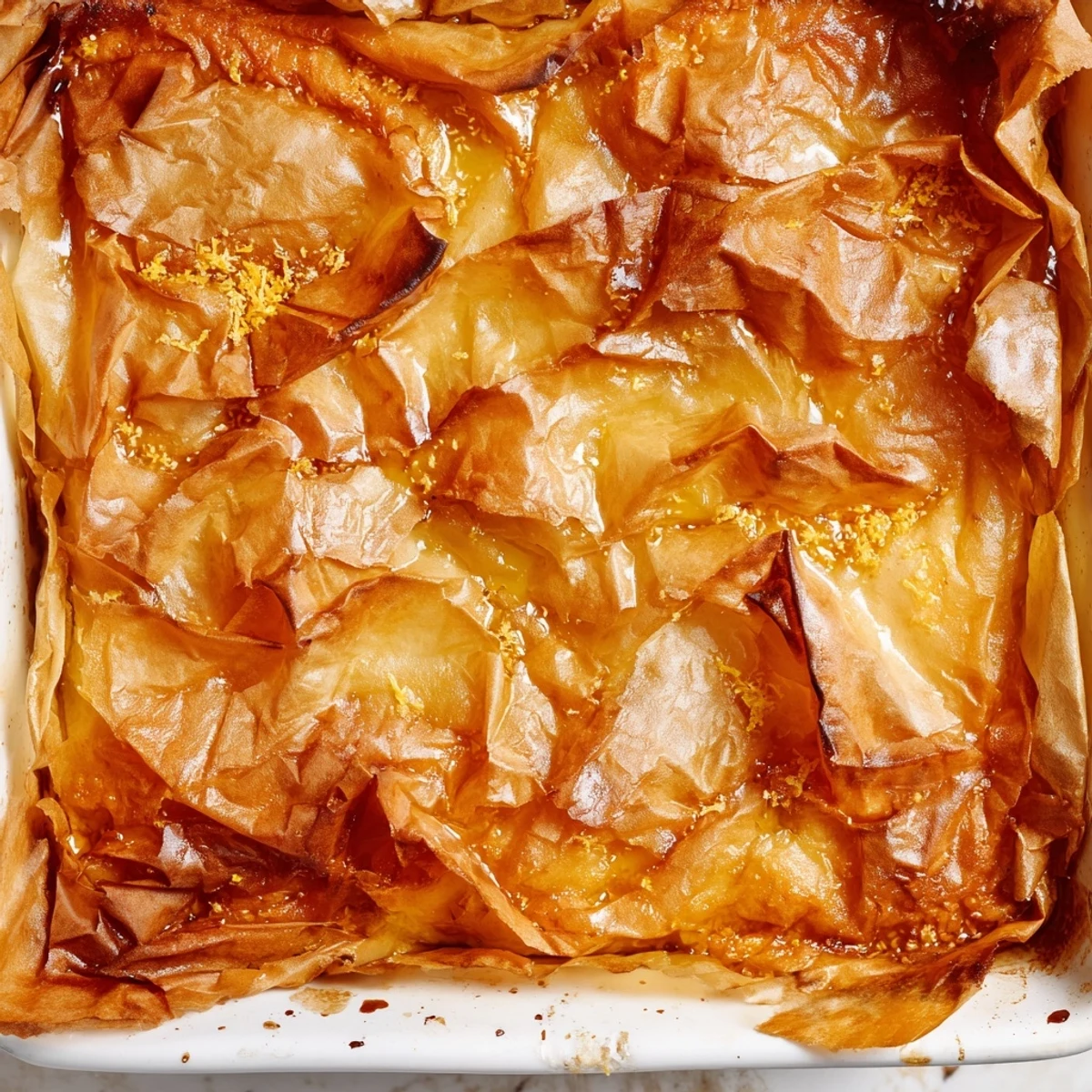
 Portokalopita is a beloved Greek dessert that transforms simple phyllo sheets into a luxurious orange-infused treat. The unique technique involves drying and crumpling phyllo before folding it into a creamy yogurt-egg batter, then baking until golden. The magic happens when hot syrup meets the warm cake, creating those signature crispy-tender layers. This medium-difficulty dessert serves eight and gets better as it sits, making it perfect for preparing ahead. The combination of fresh orange zest and juice creates an intensely citrusy profile that balances beautifully with the buttery phyllo.
The air in my grandmother's kitchen always carried this distinctive bright citrus perfume whenever she pulled Portokalopita from the oven. I spent countless Sunday afternoons watching her transform those delicate phyllo sheets into something magical, her hands moving with practiced ease while she explained that the secret was letting the phyllo dry just enough. Years later, when I attempted to recreate it on my own, I learned that patience is truly the unsung hero of Greek baking.
My first attempt at this cake ended in disaster because I skipped the step of letting the phyllo dry out, resulting in a dense and soggy mess that barely resembled the dessert I remembered. But that failure taught me everything about texture and timing, making me appreciate the wisdom behind each traditional step. Now I make it for every summer gathering, watching guests' eyes light up when that first forkful reveals the perfect balance of crisp and tender.
Ingredients
- Phyllo sheets: Letting these dry slightly before crumbling creates those irresistible crunchy pockets throughout the cake
- Greek yogurt: Full fat is nonnegotiable here as it provides richness and helps tenderize the crumb
- Orange zest: Use fresh zest from organic oranges if possible, as the aromatic oils are essential
- Baking powder: This helps lift the heavy phyllo pieces so the cake is not too dense
- Cinnamon stick: Adds a gentle warmth to the syrup that balances the bright citrus
- Orange juice: Fresh squeezed makes a noticeable difference in syrup flavor
Instructions
- Prepare the oven and pan:
- Preheat your oven to 180°C (350°F) and lightly grease a 23x33 cm (9x13 inch) baking dish with some oil or butter.
- Handle the phyllo:
- Remove phyllo from packaging and spread sheets out to dry for about 1 hour, then crumple them into rough pieces with your hands.
- Mix the wet batter:
- In a large bowl, whisk together eggs and sugar until pale and thick, then add yogurt, oil, vanilla, orange zest, and baking powder.
- Combine everything:
- Fold the crumpled phyllo pieces into the batter gradually, making sure each piece gets coated.
- Bake to golden perfection:
- Pour the mixture into your prepared dish and bake for 40 to 45 minutes until golden and a skewer comes out clean.
- Make the orange syrup:
- While the pie bakes, combine water, sugar, orange juice, cinnamon stick, and orange zest in a saucepan.
- Simmer and cool:
- Bring to a boil then simmer for 8 minutes, remove the cinnamon and zest, and let the syrup cool completely.
- The soaking ritual:
- Pour the cooled syrup slowly over the hot pie, then let it rest for at least 2 hours so every bit absorbs that sweet orange essence.
 Pin It
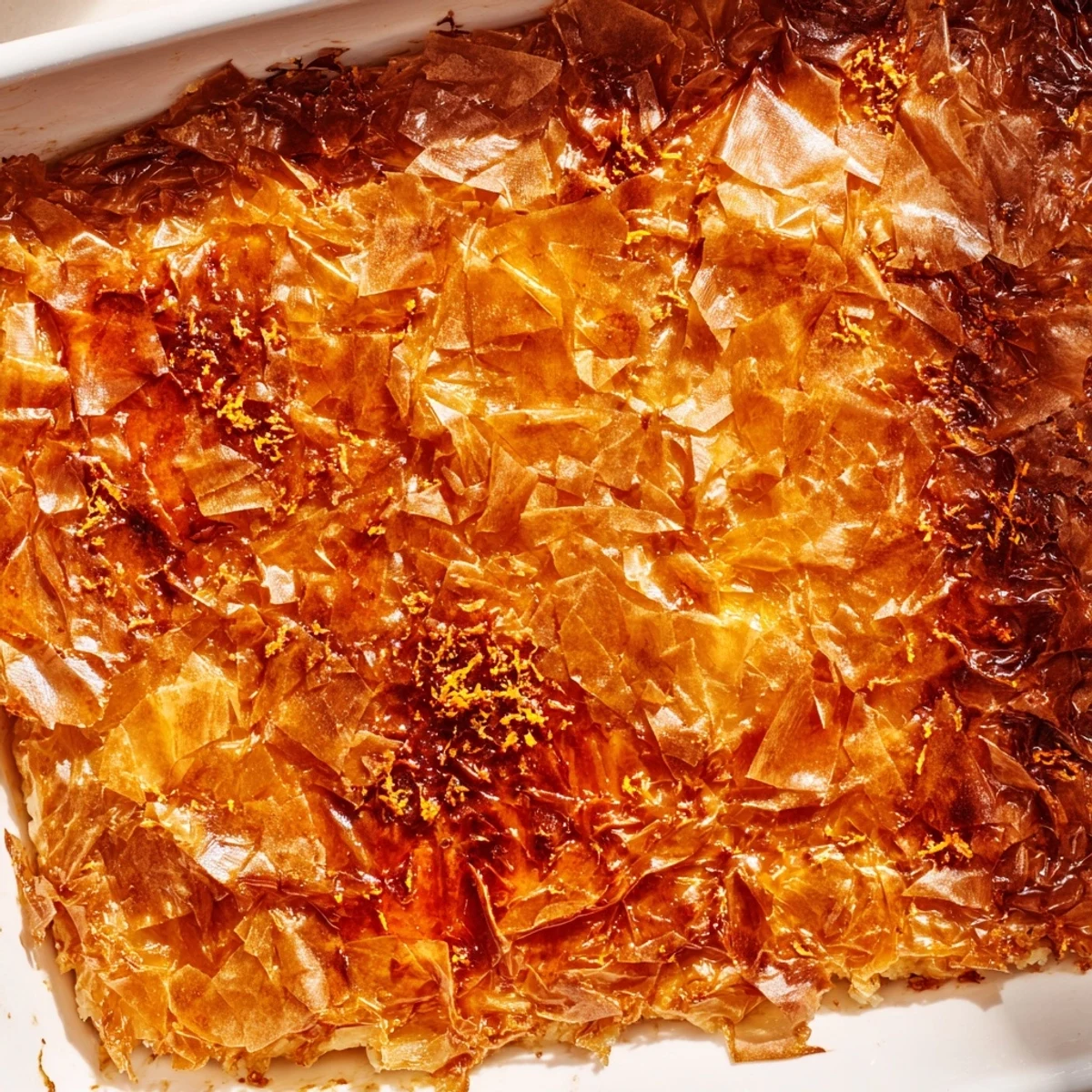
 There is something deeply satisfying about pouring that fragrant syrup over the freshly baked cake and watching it disappear into all those crispy crevices. My friend Maria once told me this dessert represents everything beautiful about Greek cuisine, simple ingredients transformed through patience and care into something extraordinary.
Choosing The Right Phyllo
Not all phyllo is created equal, and finding a good brand can make or break this recipe. Look for phyllo that is fresh rather than frozen if possible, as it handles the crumbling process better and crisps up more beautifully in the oven. If you must use frozen, thaw it completely in the refrigerator overnight and let it come to room temperature before starting.
Serving Suggestions
This cake shines on its own but becomes utterly indulgent with a dollop of freshly whipped cream or a scoop of vanilla bean ice cream. I have also served it alongside strong Greek coffee, letting the bitter notes cut through the sweetness. Some evenings, a tiny splash of Grand Marnier gets drizzled over individual portions for that extra adult touch.
Make Ahead Wisdom
Portokalopita actually improves with time, making it the perfect make ahead dessert for gatherings. The flavors meld and deepen overnight, and the texture becomes even more cohesive after a full day in the refrigerator. Just cover it tightly once it has completely cooled and bring it to room temperature before serving.
- Store in an airtight container in the refrigerator for up to 4 days
- Freeze individual portions wrapped well in plastic for up to 2 months
- Always serve at room temperature for the best texture experience
 Pin It
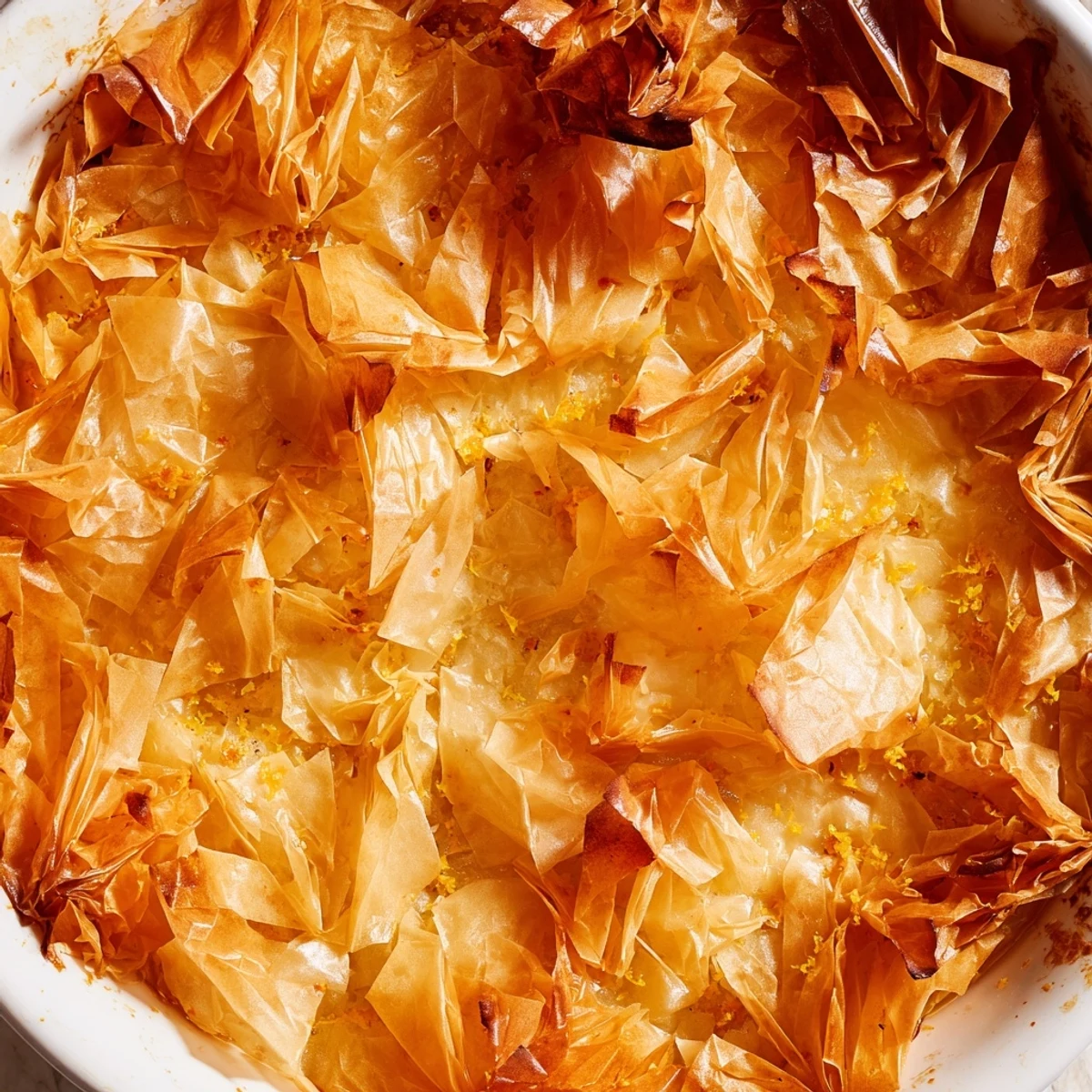
 Every bite of this cake brings back that warmth of standing beside my grandmother, learning that the best recipes are those made with time and love.
Recipe FAQs
- → What makes Portokalopita different from other Greek phyllo desserts?
-
Unlike baklava which uses layered buttered phyllo with nuts, Portokalopita features crumpled phyllo pieces folded into a yogurt-based custard batter. This creates unique textures—crispy edges and tender custardy centers—while the orange syrup provides a distinctly bright, citrusy finish compared to honey-based desserts.
- → Why do I need to dry out the phyllo sheets before using them?
-
Drying phyllo sheets for about an hour makes them more pliable and easier to crumple without tearing. This technique ensures each piece absorbs the batter evenly and creates those desirable crispy, ruffly edges throughout the baked dessert. Fresh from the package, phyllo can be too moist and stubborn to separate properly.
- → Can I prepare Portokalopita ahead of time?
-
Absolutely! Portokalopita actually improves after resting for several hours or even overnight in the refrigerator. The flavors deepen as the syrup fully penetrates every layer. Serve chilled or bring to room temperature before serving—the texture remains beautifully moist and the phyllo stays pleasantly crisp.
- → What's the secret to getting the syrup absorption right?
-
The key is pouring cooled syrup over the hot cake. This temperature difference allows for even absorption without making the dessert soggy. Pour slowly and evenly across the entire surface, then let it rest undisturbed for at least two hours. The syrup should fully soak in rather than pooling on top.
- → Can I substitute the Greek yogurt?
-
For authentic results, use full-fat Greek yogurt which provides the signature tangy creaminess and proper moisture balance. Regular yogurt is too thin and may affect texture. For a dairy-free version, thick coconut cream could work, though the flavor profile will shift slightly from traditional expectations.
- → How do I know when Portokalopita is properly baked?
-
The dessert is ready when the top turns golden brown and a skewer inserted in the center comes out clean. The phyllo should feel crisp to the touch, and you might notice it pulling slightly away from the edges of the pan. This usually takes 40-45 minutes at 180°C (350°F).