
 Pin It
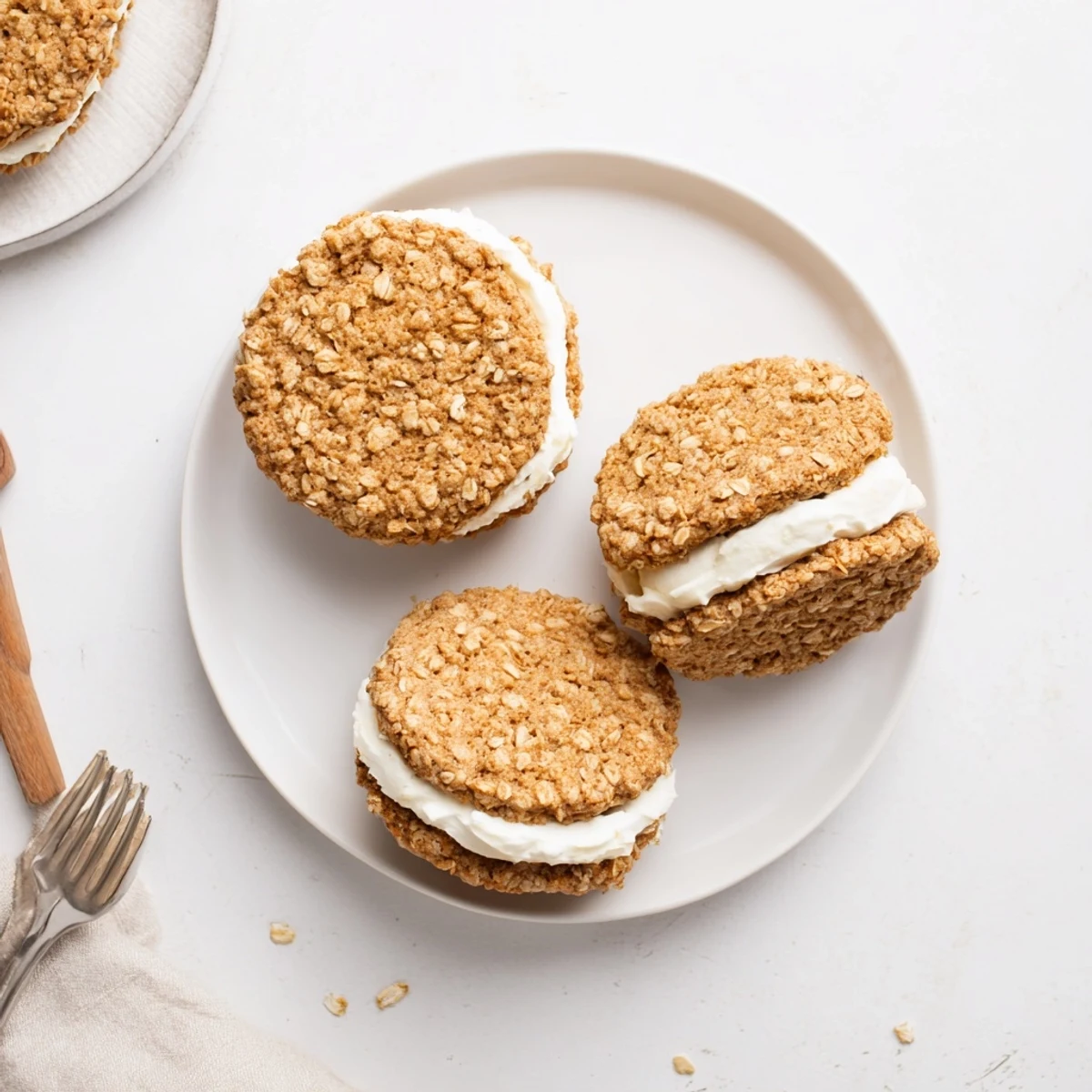
 These homemade oatmeal cream pies feature soft, chewy cookies packed with rolled oats and warm cinnamon, paired with a silky vanilla buttercream filling. The dough comes together quickly with softened butter and brown sugar for that perfect texture everyone remembers from childhood.
Bake the cookies until just set around the edges for maximum softness, then sandwich them with the fluffy cream filling. The combination of hearty oats and sweet vanilla creates that irresistible nostalgic flavor profile.
Store in an airtight container to keep them fresh, or freeze unfilled cookies for up to two months. These disappear fast at gatherings and make wonderful lunchbox treats or afternoon snacks alongside a cold glass of milk.
Last summer my daughter spotted an oatmeal cream pie at a bakery and looked at me like I'd been holding out on her my entire life. We came straight home and spent the afternoon making a mess of my kitchen with flour everywhere. Now she asks for these every time the weather turns even slightly cool.
I made these for a neighborhood gathering and watched two grown adults argue over who got the last one. My neighbor's husband actually texted me later that evening asking if I'd accept payment for a dozen. The way people's eyes light up when they bite into that first soft cookie sandwiched with cream is something special.
Ingredients
- Unsalted butter: Use truly softened butter not melted or your cookies will spread too thin and lose that soft chewy center
- Light brown sugar: This creates moisture and chewiness that granulated sugar alone cannot provide
- Old fashioned rolled oats: Do not use steel cut oats and quick oats will change the texture to something less hearty
- Powdered sugar: Sifting prevents lumpy frosting and ensures that silky smooth cream filling
Instructions
- Preheat and prep:
- Set your oven to 350F and line two baking sheets with parchment paper because sticking cookies will ruin your day
- Cream the butter and sugars:
- Beat butter brown sugar and granulated sugar until the mixture looks pale and fluffy about two minutes
- Add eggs and vanilla:
- Pour in eggs and vanilla extract then beat until everything is completely combined
- Mix dry ingredients:
- In a separate bowl whisk together flour baking soda baking powder salt and cinnamon until well blended
- Combine wet and dry:
- Gradually add the flour mixture to the butter mixture mixing just until you no longer see white streaks
- Fold in oats:
- Gently fold in the rolled oats using a spatula being careful not to overwork the dough
- Scoop dough:
- Drop tablespoon sized portions onto prepared sheets leaving about two inches between each scoop
- Bake to perfection:
- Bake for 10 to 12 minutes until edges are barely golden and centers look slightly underdone
- Cool completely:
- Let cookies rest on baking sheets for five minutes then move them to a wire rack until completely cool
- Make the filling:
- Beat butter until creamy then gradually add powdered sugar heavy cream vanilla and pinch of salt until fluffy
- Assemble pies:
- Pair cookies of similar size spread filling on one and gently press another cookie on top
 Pin It
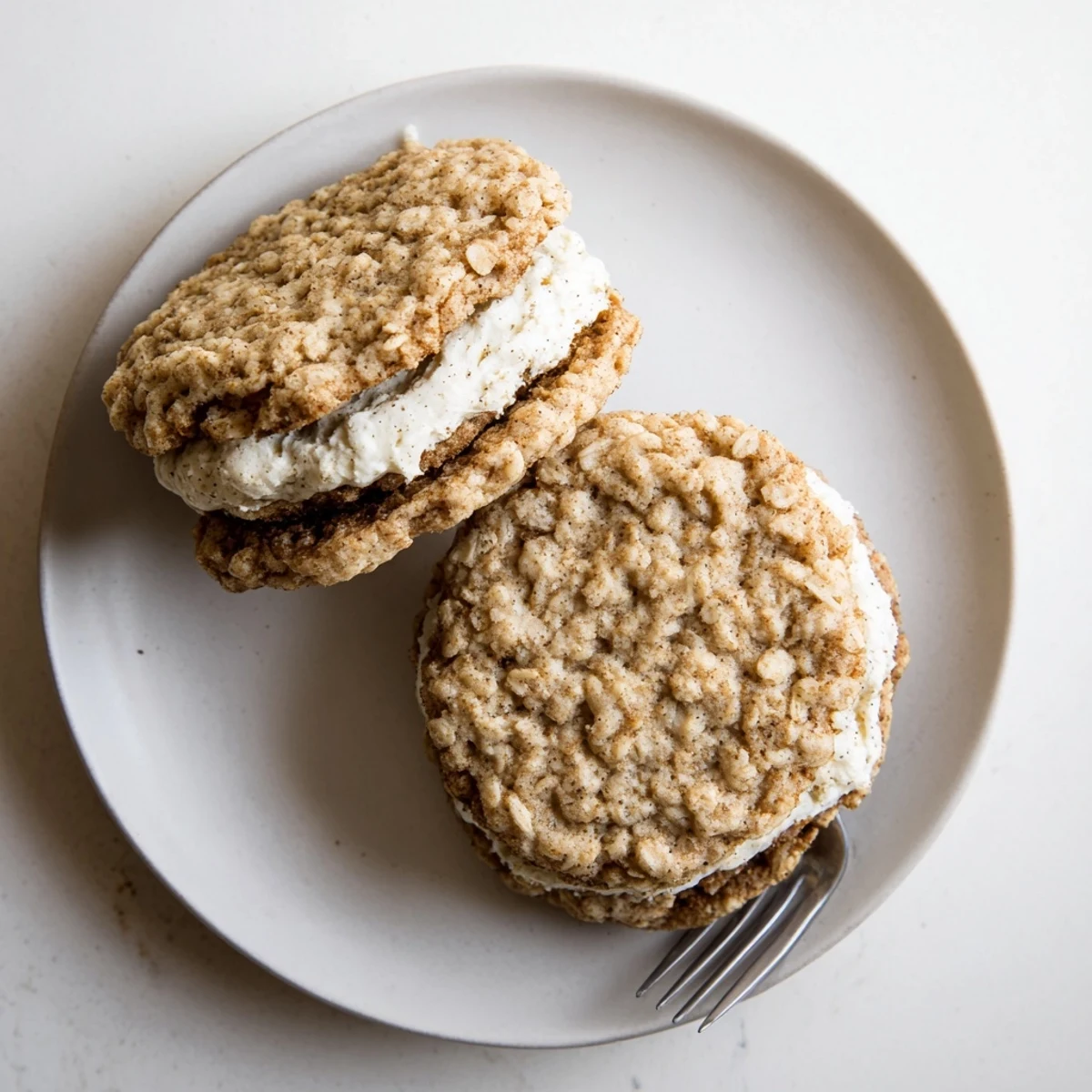
 These became our snow day tradition last winter when school was cancelled and we had nowhere to be. Something magical happens when you're stuck inside with warm oatmeal cookies and the people you love most.
Getting The Right Texture
The secret to that bakery soft texture is pulling cookies from the oven when they look slightly underbaked. They continue cooking on the hot baking sheet during those five crucial minutes. I learned this the hard way after making what my family politely called oatmeal cookies with the consistency of hockey pucks.
Making Them Ahead
You can bake the cookies up to three days before filling them and store them in an airtight container. The unfilled cookies also freeze beautifully for up to two months. Thaw them at room temperature before assembling with fresh cream filling.
Serving Suggestions
These are perfect alongside a cold glass of milk or a steaming mug of coffee. They also travel well stacked carefully in a container between layers of parchment paper. I've packed them for road trips and picnics with great success.
- Pair with vanilla ice cream for an over the top dessert
- Crumble a cookie over vanilla yogurt for breakfast
- Dip half a pie in melted chocolate for special occasions
 Pin It
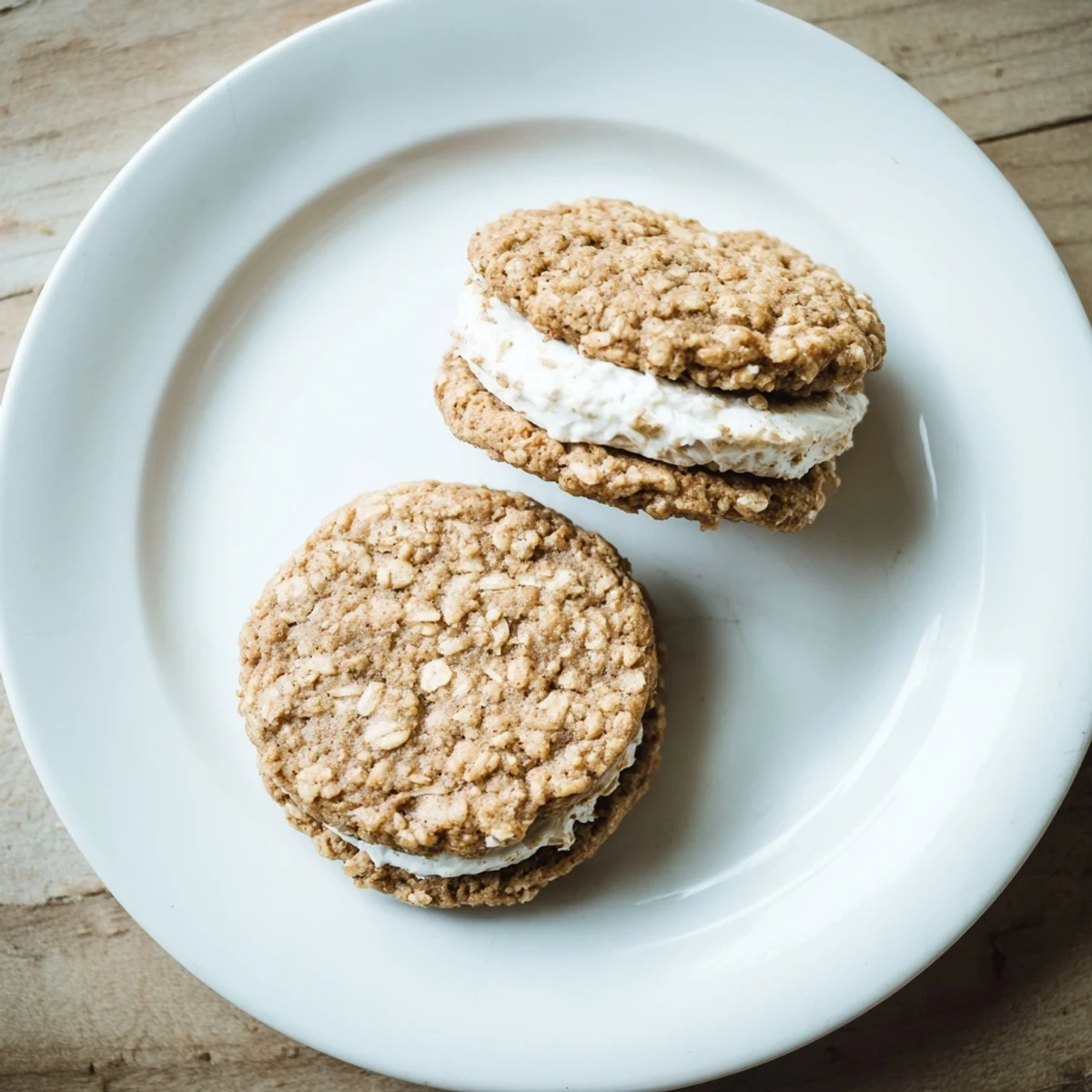
 May your kitchen smell like cinnamon and butter and may every bite remind you why homemade treats are worth the effort.
Recipe FAQs
- → Why did my cookies turn out hard instead of soft?
-
Overbaking is the most common cause. Remove cookies from the oven when they appear slightly underbaked and just set at the edges—they continue cooking on the hot baking sheet. Also, measure flour properly by spooning it into the measuring cup rather than dipping, which can pack too much flour into the dough.
- → Can I make the dough ahead of time?
-
Absolutely. Scoop the dough onto baking sheets and freeze the balls until solid, then transfer to a freezer bag. Bake from frozen, adding 1-2 minutes to the baking time. You can also refrigerate the dough for up to 48 hours before baking—this actually enhances the flavor and texture.
- → What's the best way to fill the pies without breaking the cookies?
-
Pair cookies by size before filling—use similar-sized ones for each sandwich. Pipe or spread the filling onto the flat bottom side of one cookie, then gently press a second cookie on top. If the filling is too firm, let it soften at room temperature for 5-10 minutes before assembling.
- → Can I use quick oats instead of old-fashioned rolled oats?
-
Yes, though the texture will be slightly softer and less chewy. Quick oats absorb more moisture and create a more tender cookie. For the best texture that holds up well to sandwiching, old-fashioned rolled oats are recommended, but both work perfectly fine.
- → How should I store these oatmeal cream pies?
-
Store assembled pies in an airtight container at room temperature for up to 3 days. The cookies soften slightly over time, which many people actually prefer. For longer storage, freeze unfilled cookies for up to 2 months and fill them after thawing. Avoid refrigerating, as this dries out both cookies and filling.
- → Can I make these gluten-free?
-
You can substitute the all-purpose flour with a 1:1 gluten-free flour blend containing xanthan gum. Use certified gluten-free oats, as regular oats are often processed in facilities that handle wheat. The texture may be slightly more crumbly, but they'll still be delicious.