 Pin It
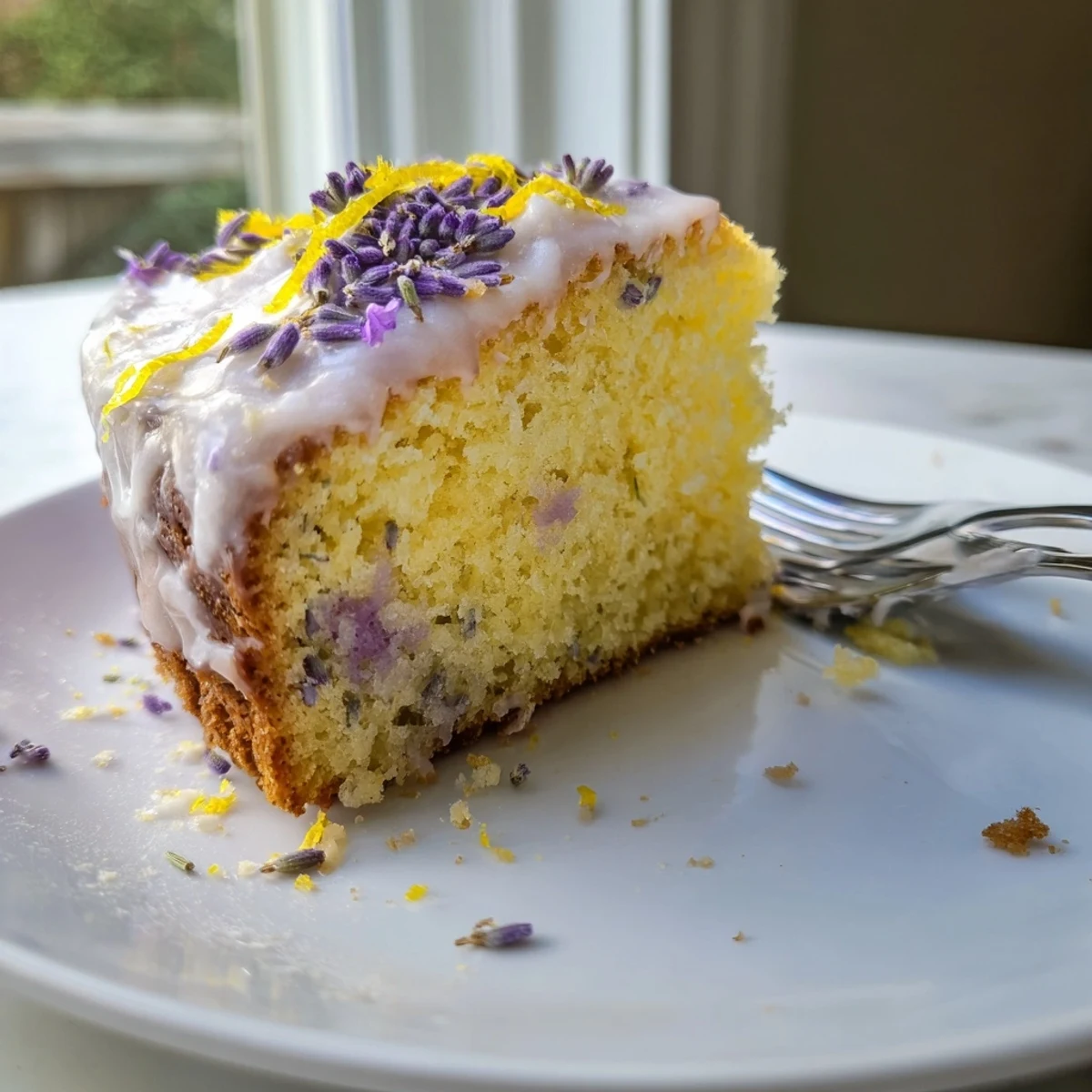
 This fragrant Lemon Lavender Cake brings together the bright citrus notes of fresh lemon with the subtle floral essence of dried culinary lavender. The result is a wonderfully moist, tender crumb that feels elegant yet approachable. After creaming butter with lemon-zest-infused sugar, the batter comes together quickly—alternate dry ingredients with milk, fold in fresh lemon juice, and bake until golden. The finishing touch is a simple lemon glaze that adds sweetness and tang. Serve with Earl Grey or chamomile tea for the ultimate afternoon experience. This 8-serving dessert takes just 20 minutes to prep and 35 minutes to bake, making it manageable for home bakers while still feeling special enough for spring gatherings, birthdays, or bridge club.
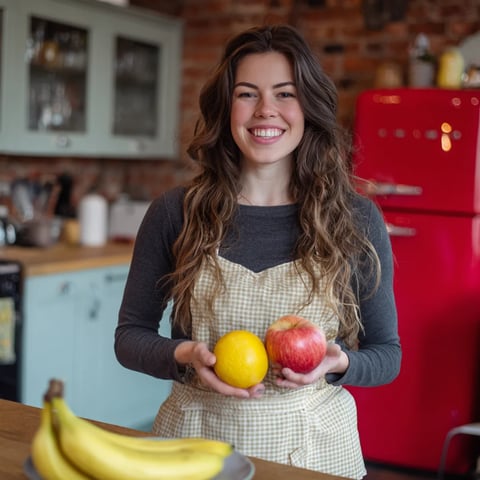
My neighbor Sarah brought me a small bundle of dried lavender from her garden last spring, and I kept it in a jar on my counter for weeks, unsure what to do with it. One rainy Sunday, when the house needed cheering up, I decided to experiment with combining it with the bright punch of fresh lemons I had sitting in a bowl. The moment the cake started baking, that floral-citrus aroma filled every corner of my kitchen, and I knew I was onto something special. Now it's become my go-to when I want to bake something that feels elegant but doesn't require hours of fussing.
I made this cake for my mother's birthday last year, serving it on the back porch with cups of Earl Grey while the garden was just starting to bloom. She took one bite and closed her eyes, telling me it reminded her of the lavender fields she'd visited in Provence decades ago. Now whenever I bake it, that memory of her face lighting up comes back to me, and I think that's part of why this recipe feels so special to make.
Ingredients
- 2 cups all-purpose flour: The foundation of your cake, providing structure while keeping things tender
- 1 tablespoon dried culinary lavender: Essential for authentic flavor—only use lavender specifically grown for cooking
- Zest of 2 lemons: Rub this into your sugar first to release those aromatic oils throughout the whole cake
- ½ cup unsalted butter, softened: Room temperature butter creates that perfect fluffy crumb we are after
- ⅓ cup fresh lemon juice: Added last for a bright zing that cuts through the sweetness
Instructions
- Prep your oven and pan:
- Preheat oven to 350°F and grease a 9-inch round pan with butter, dusting it with flour for easy release later
- Whisk the dry ingredients:
- In a medium bowl, combine flour, baking powder, baking soda, salt, and chopped lavender until everything is evenly distributed
- Infuse the sugar:
- Rub lemon zest into the granulated sugar with your fingers until it becomes fragrant and moist
- Cream the butter and sugar:
- Beat softened butter into the lemon sugar until light and fluffy, about 3 full minutes
- Add eggs and vanilla:
- Beat in eggs one at a time, letting each fully incorporate before adding the next, then stir in vanilla
- Bake to golden perfection:
- Pour batter into prepared pan, smooth top, and bake 30 to 35 minutes until a toothpick comes out clean
- Make the glaze:
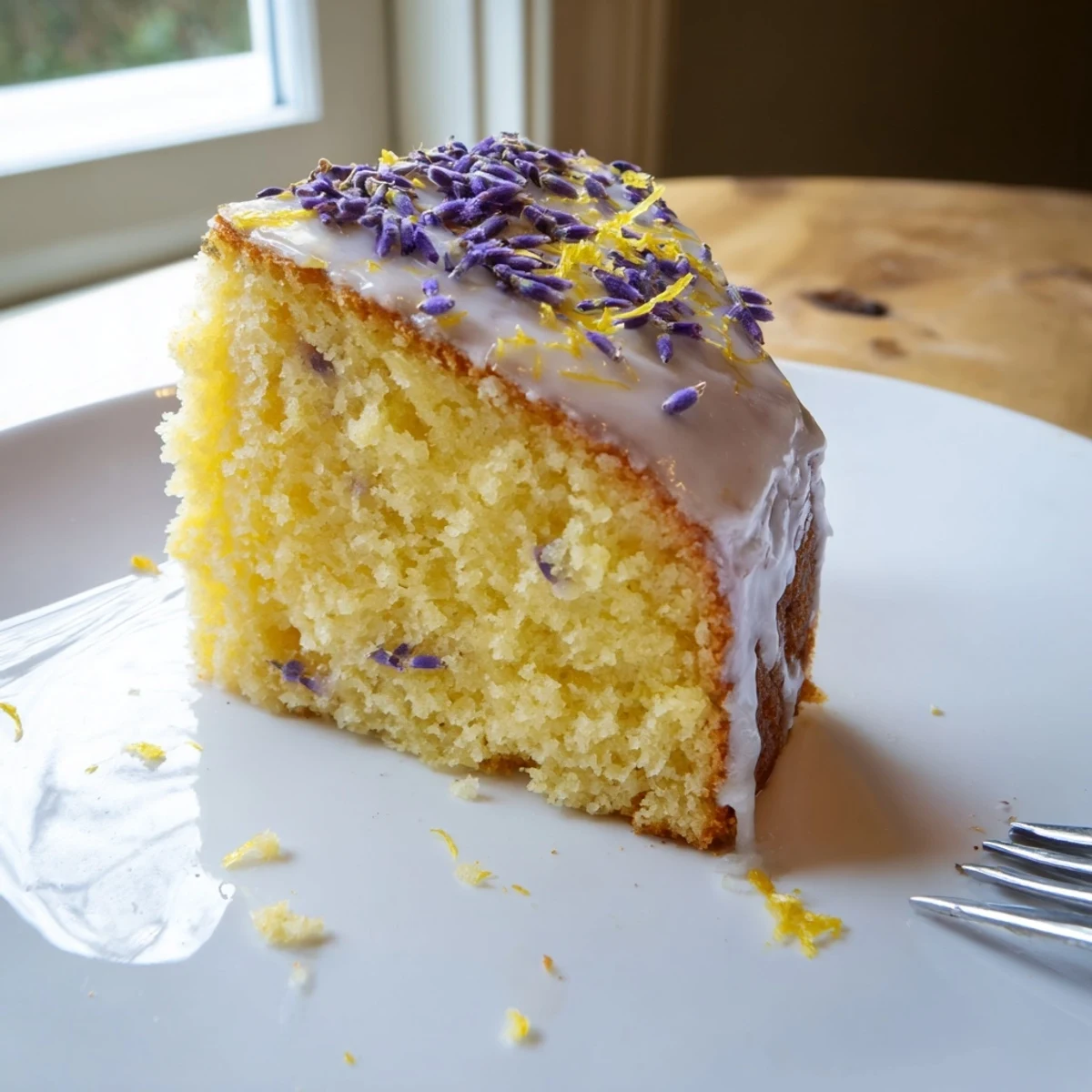
- Whisk powdered sugar with lemon juice until smooth and drizzle over completely cooled cake
 Pin It
 Last month I brought this cake to a book club meeting, and three friends asked for the recipe before they'd even finished their first slices. Something about the combination of flavors makes people pause and really savor each bite instead of just mindlessly eating while chatting.
Choosing the Right Lavender
I learned the hard way that not all lavender is created equal—what you find in craft stores or sachets may have been treated with chemicals or simply lack the essential oils that make culinary varieties special. Look for dried lavender buds labeled specifically for cooking or baking, usually found in specialty spice shops or the bulk herb section of well-stocked grocery stores. English lavender varieties tend to be sweeter and more subtle, while French lavender can be slightly more assertive in flavor.
Making It Dairy-Free
When my niece developed a dairy sensitivity, I experimented with plant-based alternatives and found that good quality vegan butter works beautifully in this recipe without compromising texture or flavor. Look for a butter substitute that has a fat content similar to dairy butter, and choose an unsweetened, unflavored plant milk that will not compete with the delicate lemon and lavender notes. The cake might brown slightly differently, but the taste remains just as lovely and welcoming.
Serving Suggestions
This cake shines brightest when served slightly warm with a cup of Earl Grey or chamomile tea, the floral notes in both beverage and dessert creating a harmonious experience. For afternoon gatherings, I like to pair it with fresh berries on the side—their natural acidity plays beautifully against the sweet glaze. In summer, a dollop of crème fraîche or lightly sweetened whipped cream adds a lovely contrast to the tender crumb.
- Sprinkle a tiny pinch of extra lavender over the glaze for restaurant-style presentation
- Cube leftover cake and serve it over vanilla ice cream for an unexpected dessert sundae
- Store in an airtight container at room temperature for up to three days
 Pin It
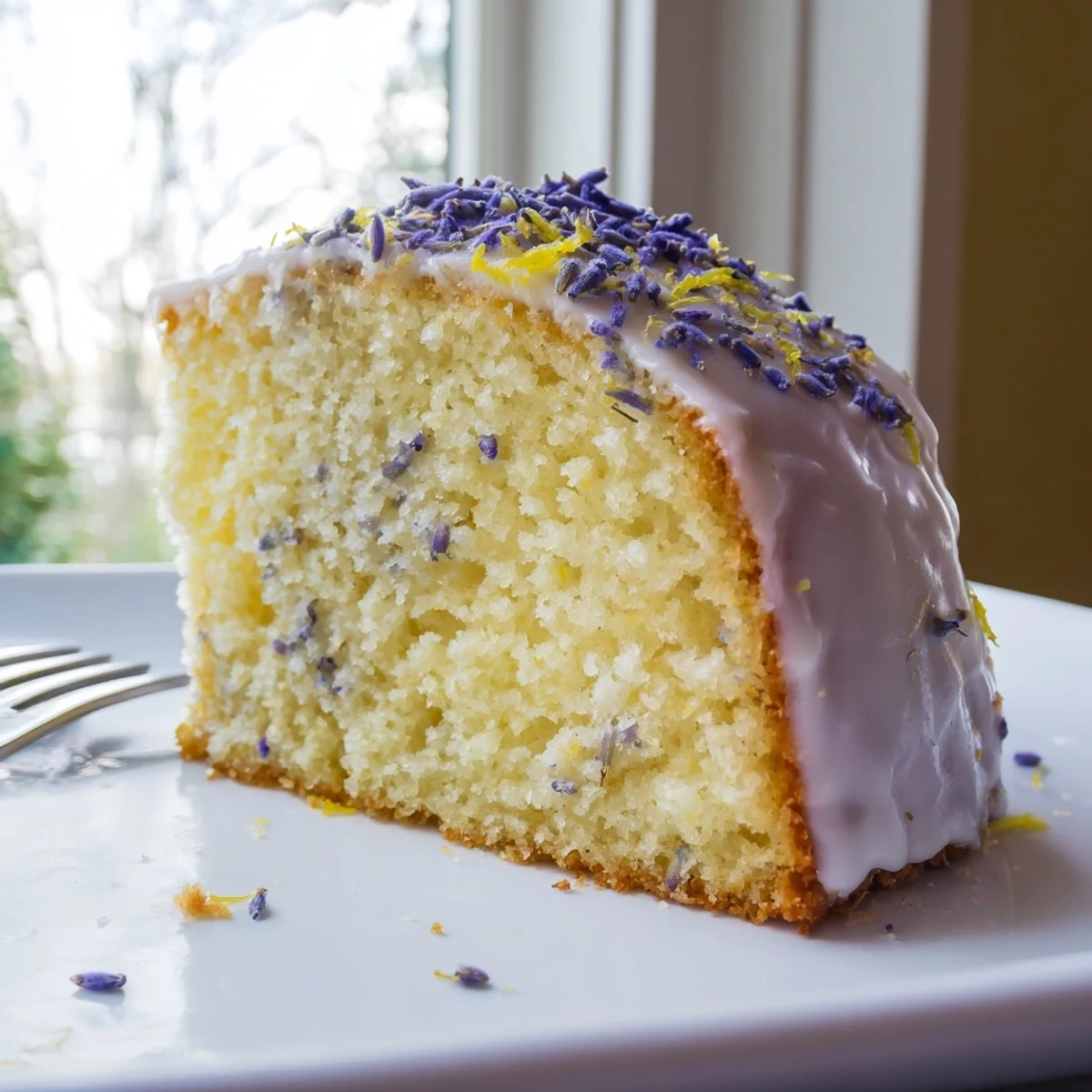
 There is something quietly magical about a cake that brings the garden into your kitchen, filling the whole house with fragrance while it bakes. I hope this recipe finds its way into your own collection of favorites, creating moments of joy around your table too.
Recipe FAQs
- → Can I use fresh lavender instead of dried?
-
Dried culinary lavender is recommended because its flavor is more concentrated and consistent. Fresh lavender contains more water and can result in a weaker flavor profile. If you only have fresh lavender, use about three times the amount and dry it slightly in a low oven before incorporating.
- → Why do I need to rub the lemon zest into the sugar?
-
This technique releases the essential oils from the lemon zest, infusing the sugar crystals with bright citrus flavor. It distributes the lemon essence more evenly throughout the batter than simply adding zest directly to the mixture.
- → How should I store the finished cake?
-
Keep the cake at room temperature in an airtight container for up to 2 days. For longer storage, refrigerate for up to 5 days, though bring to room temperature before serving for the best texture and flavor. The cake also freezes well—wrap tightly and freeze for up to 3 months.
- → What if I don't have culinary lavender?
-
You can substitute with dried lavender buds from a reputable tea shop, but ensure they're food-grade and meant for consumption. Lavender meant for sachets or potpourri may contain pesticides or other additives not safe for eating.
- → Can I make cupcakes instead of a full cake?
-
Absolutely. Portion the batter into a standard muffin tin lined with paper cups. Reduce baking time to 18–22 minutes, testing with a toothpick for doneness. The glaze can be drizzled over cooled cupcakes or used as a dip.
- → Is the glaze necessary?
-
The lemon glaze adds sweetness and balances the tangy lemon notes, but it's optional. The cake stands well on its own as a slightly less sweet dessert, perfect for those who prefer subtler finishes. Simply dust with powdered sugar if desired.