
 Pin It
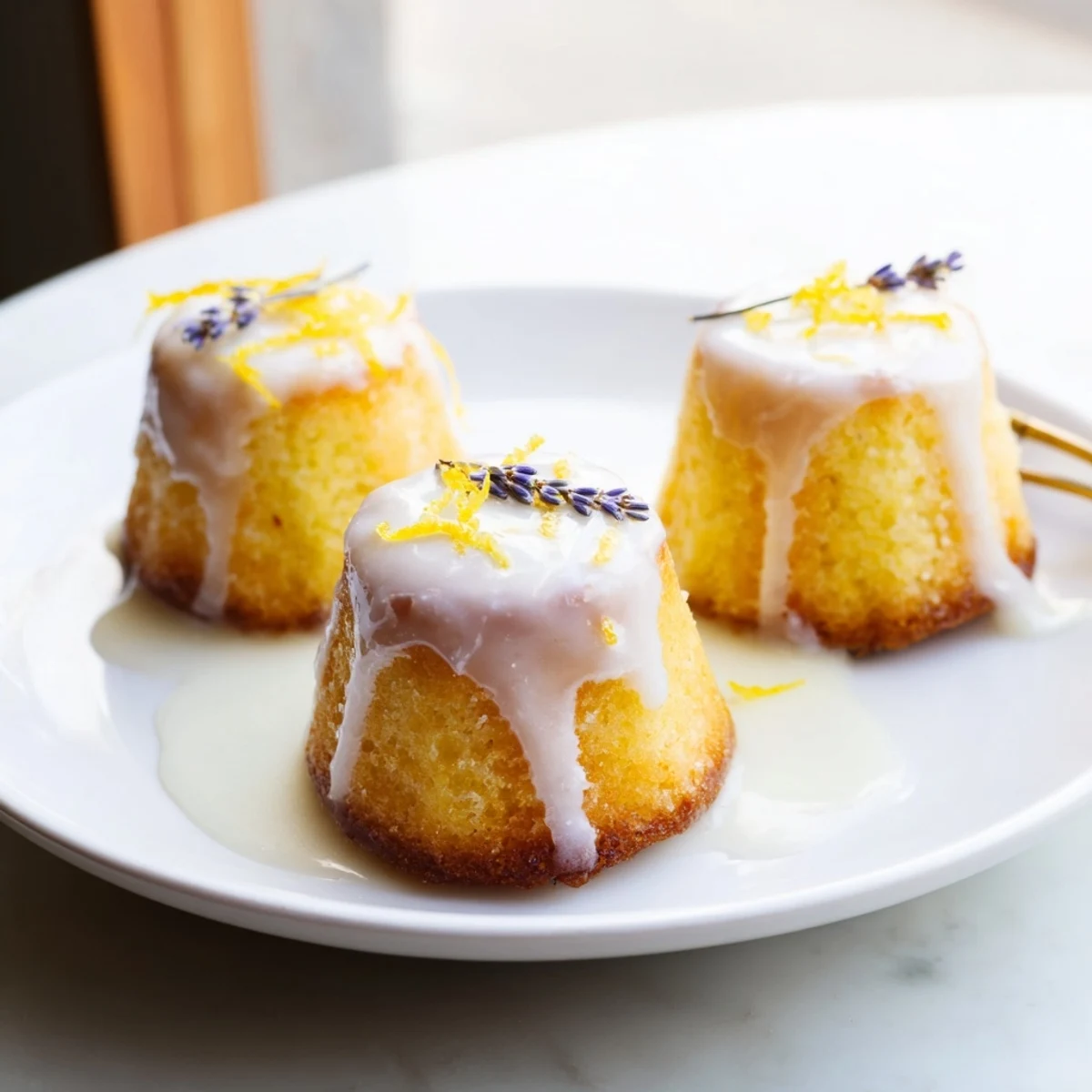
 These delightful mini lemon cakes combine bright, zesty flavors with the elegant touch of lavender-infused glaze. Ready in just 38 minutes, they feature a tender crumb infused with fresh lemon juice and zest, topped with a fragrant floral finish.
The process is straightforward: whisk together dry ingredients, blend with melted butter and eggs, then bake until golden. While cooling, prepare the lavender glaze by steeping dried buds in warm milk, then whisking with powdered sugar and lemon juice.
Perfect for afternoon tea, brunch gatherings, or as a charming dessert for special occasions. Serve alongside Earl Grey tea or light sparkling wine to complement the citrus and floral notes.
The smell of lavender always pulls me back to my grandmother's tiny garden, where she'd snip bundles while explaining that flowers belong in baking as much as butter does. These mini cakes came together on a rainy afternoon when I needed something that felt special but didn't require hours in the kitchen. The first batch disappeared so quickly at book club that I've doubled the recipe ever since.
Last spring I brought these to a brunch where the host happened to be growing lavender in her window boxes. She took one bite and immediately asked if I'd infused the milk properly—turns out she'd been making lavender syrup for years and could taste the difference. We spent the rest of the morning comparing notes on floral baking while everyone else went back for seconds.
Ingredients
- 1 cup (125 g) all-purpose flour: The structure that holds everything together—sift it once for extra tenderness
- 1/2 cup (100 g) granulated sugar: Just enough sweetness to let the lemon shine without overpowering the delicate lavender notes
- 1/2 tsp baking powder and 1/4 tsp baking soda: This duo gives these little cakes their perfect rise and fluffy crumb
- 1/4 tsp fine sea salt: Don't skip this—it intensifies the citrus flavor and balances the floral glaze
- 1/2 cup (115 g) unsalted butter, melted: Melting it first creates a denser, moister cake that stands up beautifully to the tangy glaze
- 2 large eggs, room temperature: Room temp eggs incorporate better and help the batter stay smooth
- 1/4 cup (60 ml) whole milk: Whole milk makes these tender—low fat substitutes can make them tough
- 2 tbsp freshly squeezed lemon juice: Bottled juice never captures that same brightness that fresh lemons bring
- 1 tbsp finely grated lemon zest: This is where all the lemon essence lives—grate carefully to avoid the bitter white pith
- 1 tsp pure vanilla extract: A warm backing note that ties the lemon and lavender together
- 1 cup (120 g) powdered sugar, sifted: Sifting prevents lumps in your glaze and makes it silkier
- 1–2 tbsp whole milk for glaze: Start with less—you can always add more to reach the perfect consistency
- 1/2 tsp dried culinary lavender buds: Only use culinary grade—decorative lavender can be bitter or chemically treated
- 1 tsp freshly squeezed lemon juice for glaze: Cuts through the powdered sugar's sweetness and complements the lavender
Instructions
- Get your oven ready:
- Preheat to 350°F (175°C) and generously grease your 12-cup mini bundt or muffin pan—getting into every crevice matters more than you'd think
- Whisk the dry ingredients:
- In a medium bowl, combine flour, sugar, baking powder, baking soda, and salt until everything's evenly distributed
- Mix the wet ingredients:
- In a separate large bowl, whisk melted butter, eggs, milk, lemon juice, lemon zest, and vanilla until the mixture looks smooth and slightly glossy
- Combine gently:
- Fold the dry ingredients into the wet just until you no longer see streaks of flour—overmixing makes these tender cakes tough
- Fill the pans:
- Divide batter among prepared molds, filling each about 2/3 full—use a cookie scoop for even portions
- Bake until golden:
- Bake for 16–18 minutes until a toothpick in the center comes out clean and the tops spring back when touched lightly
- Cool completely:
- Let them rest in the pan for 5 minutes before moving to a wire rack—warm cake will melt your glaze right off
- Make the lavender infusion:
- Heat milk and lavender buds gently until just steaming, then remove from heat and let steep for exactly 5 minutes before straining
- Whisk the glaze:
- Combine powdered sugar, lemon juice, and 1 tablespoon lavender milk, adding more milk drop by drop until thick but pourable
- Glaze and garnish:
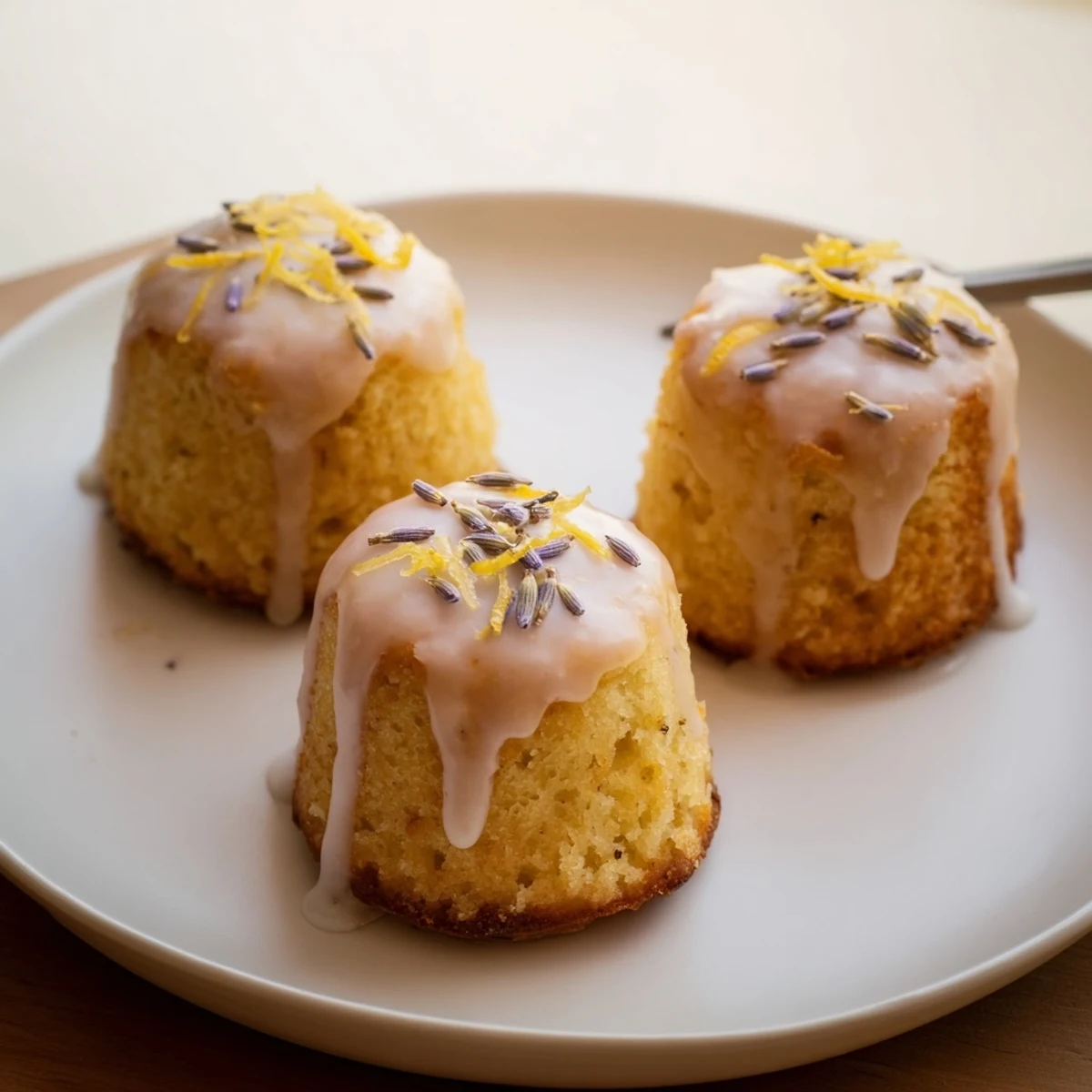
- Drizzle over completely cooled cakes and add a pinch of lavender buds or lemon zest while the glaze's still slightly tacky
 Pin It
 My neighbor texted me at 10pm one night saying she'd just tried one of these mini cakes that her daughter had brought home from a party we'd both attended. She demanded the recipe immediately and now makes them every Sunday for her weekly tea ritual. Something about that lemon lavender combination just makes people want to slow down and savor.
Make Ahead Magic
I've learned through trial and error that these freeze exceptionally well—wrap them individually in plastic before the glaze and they'll keep for a month. When unexpected guests call, just thaw at room temperature for an hour and whip up the glaze. The cake actually benefits from that little rest period, developing a more tender crumb that feels like you baked them that morning.
Glaze Consistency Secrets
The glaze should coat a spoon thickly but still drip off slowly—if it runs right off, add more powdered sugar. If it's too thick to pour, add milk literally one drop at a time. I keep a small bowl of extra powdered sugar nearby when glazing, just in case I need to adjust midway through. Working quickly helps too—the glaze starts setting after about 30 seconds.
Serving Suggestions
These shine brightest alongside something that lets their delicate flavor come through. I've served them at everything from bridal showers to casual Tuesday night desserts, and they never fail to feel special. The key is presenting them simply—maybe on a vintage cake stand or a wooden board that lets the lavender glaze speak for itself.
- Pair with Earl Grey tea—the bergamot notes echo the citrus and play beautifully with lavender
- A light sparkling wine or prosecco cuts through the sweetness and feels like a proper celebration
- For afternoon tea, arrange them on a tiered stand with fresh lavender sprigs tucked between the cakes
 Pin It
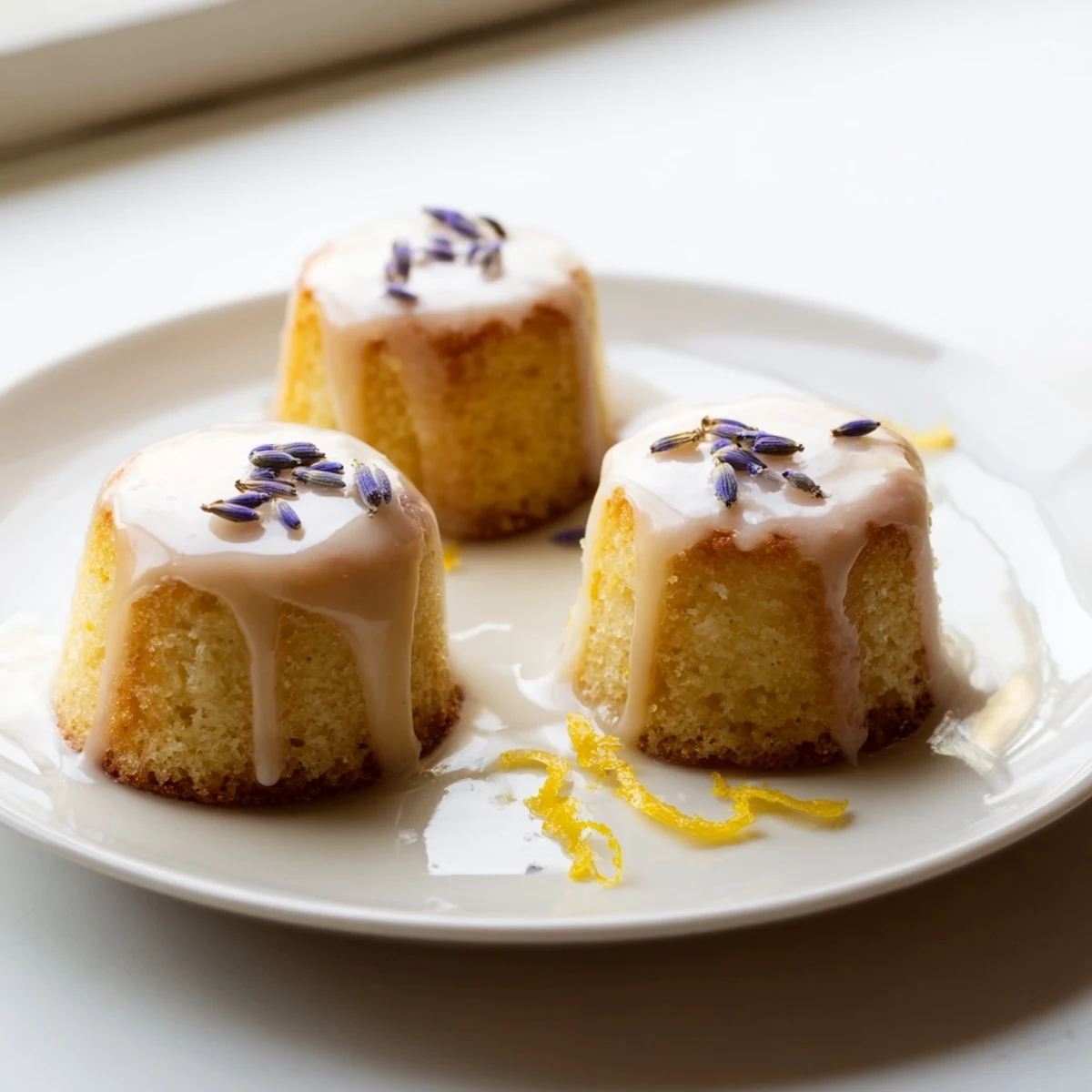
 These little cakes have become my go-to when I want to make someone feel celebrated without spending the whole day in the kitchen. There's something about that first bite—the way the bright lemon hits first, then the lavender creeps in like a secret—that makes people pause and really savor.
Recipe FAQs
- → Can I use fresh lavender instead of dried?
-
Stick with dried culinary lavender buds for the glaze. Fresh lavender contains more water and can make the glaze too thin, while dried buds provide concentrated flavor without altering consistency.
- → How should I store these mini cakes?
-
Store in an airtight container at room temperature for up to 2 days. For longer storage, refrigerate for up to 5 days. Bring to room temperature before serving for the best texture and flavor.
- → Can I make these without a mini bundt pan?
-
Yes, a standard muffin pan works perfectly. Alternatively, use a regular bundt pan for one large cake—adjust baking time to 30–35 minutes, or until a toothpick comes out clean.
- → What type of lavender should I use?
-
Always use culinary-grade lavender buds, preferably English lavender varieties like Provence or Munstead. Ornamental lavender from gardens may contain pesticides and taste bitter or soapy.
- → Can I freeze these mini cakes?
-
Yes, freeze unfrosted cakes in a single layer, then transfer to a freezer-safe bag for up to 3 months. Thaw overnight at room temperature and add glaze just before serving for fresh results.
- → Why is my glaze too thick or thin?
-
If too thick, add lavender-infused milk one teaspoon at a time. If too thin, whisk in additional sifted powdered sugar. Aim for honey-like consistency that drizzles smoothly but sets on the cakes.