
 Pin It
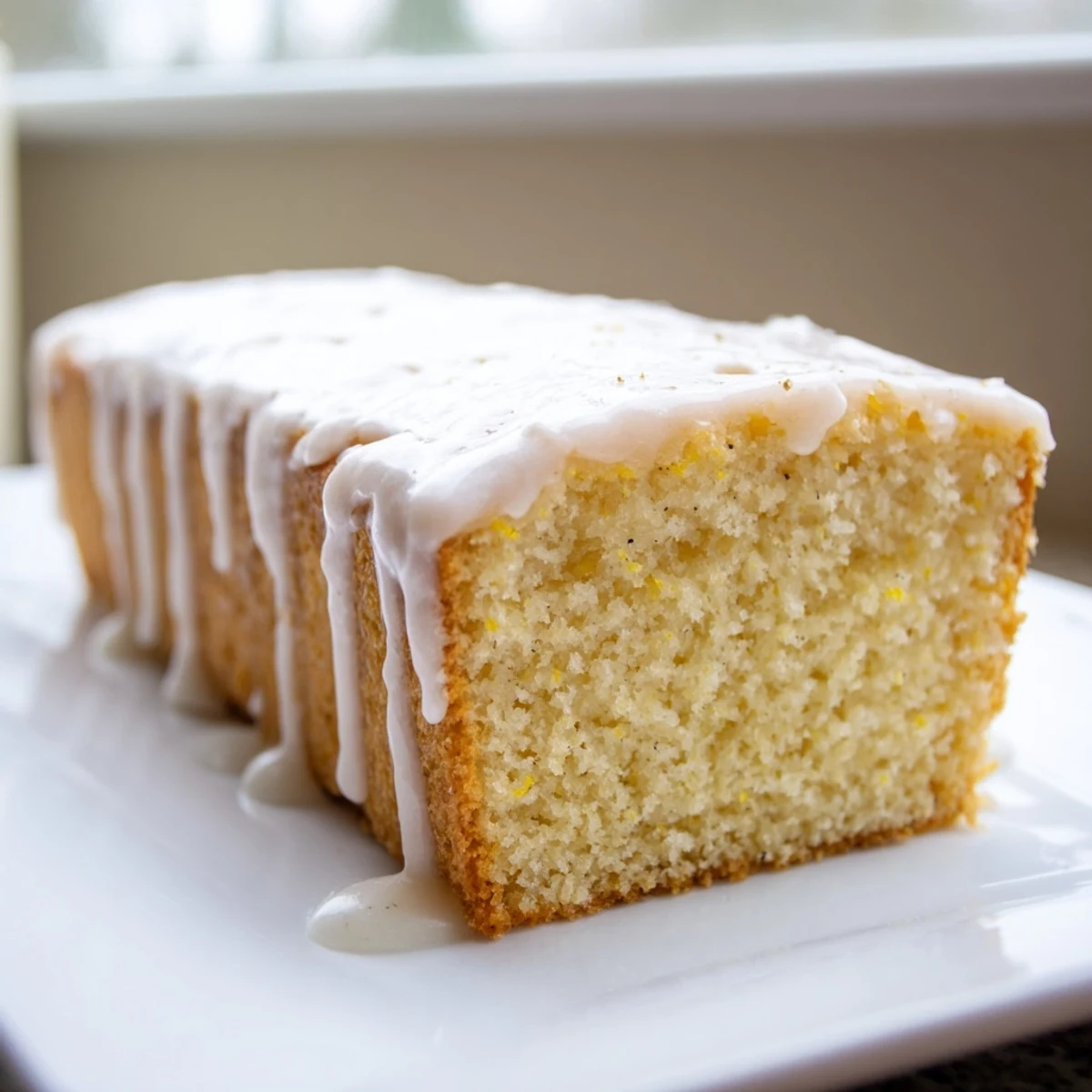
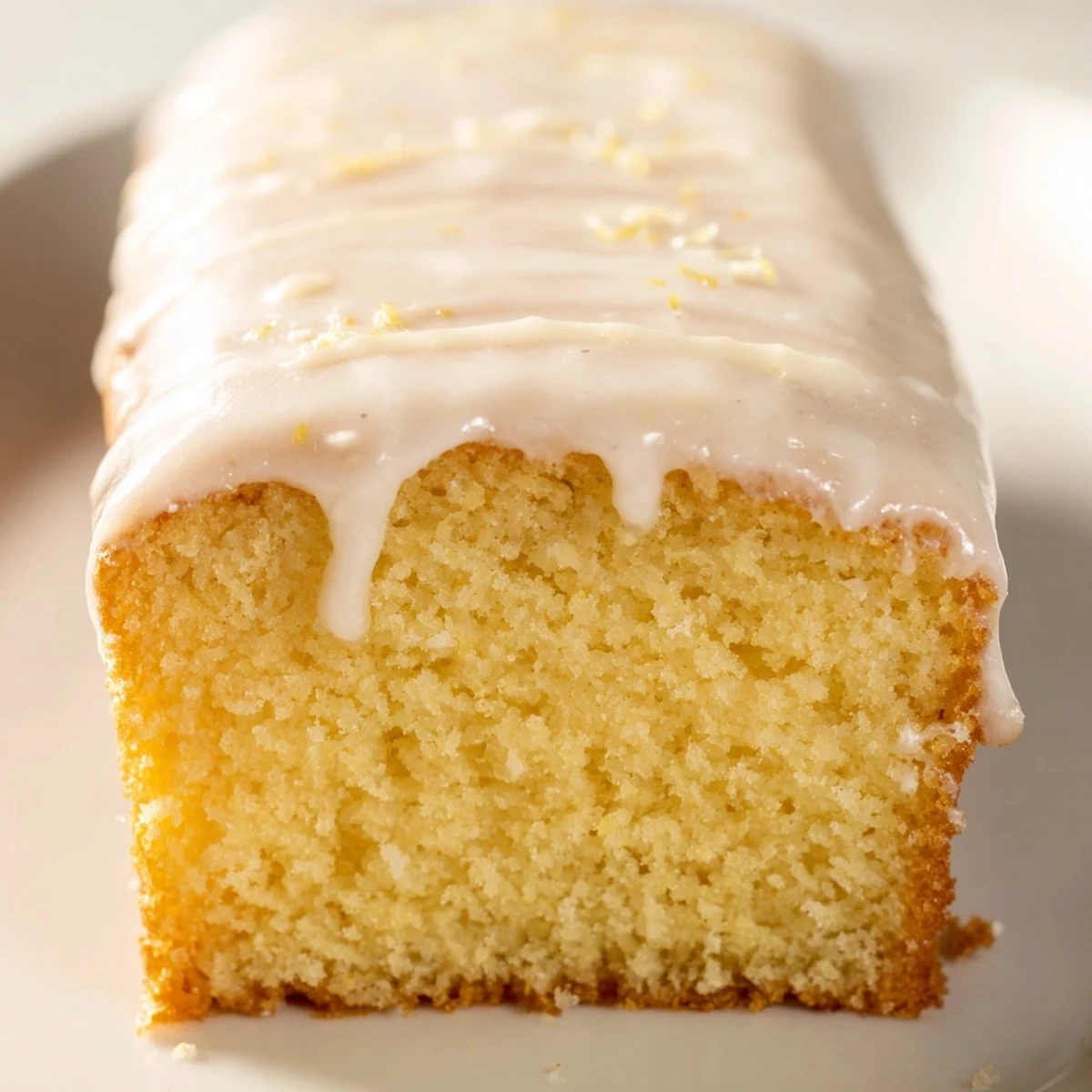
 This classic community gathering cake features a tender, moist crumb thanks to buttermilk and perfectly creamed butter. The vanilla-forward sponge bakes up golden and releases a warm, inviting aroma. A simple powdered sugar glaze adds just the right amount of sweetness without overpowering the delicate flavor. Makes 12 generous servings, perfect for potlucks, brunches, or afternoon coffee. The straightforward method comes together quickly—mix dry ingredients, cream butter and sugar until fluffy, combine everything, and bake. Easy variations include lemon zest or chopped nuts folded into the batter.
The church basement where I first tasted this cake still smells like floor wax and community potluck coffee. I was twelve, hovering near the dessert table while my mother caught up with Mrs. Henderson, whose sponge cake had achieved legendary status among the congregation. When she finally slipped me a paper plate with a square of that vanilla scented heaven, I understood why people arrived early to Sunday service just to claim a slice near the front.
Last summer I made three of these cakes back to back for my daughters graduation open house. My husband stood guard while they cooled, already eyeing the corner pieces, and I caught my aunt sneaking a taste of the glaze with her finger when she thought no one was watching. Every single pan came home empty except for a few stray crumbs on the serving napkins.
Ingredients
- 2 1/2 cups (315 g) all-purpose flour: The foundation of your sponge cake, sifted lightly to prevent clumping and ensure that tender texture we are after.
- 2 tsp baking powder: This gives your cake its lift, working in harmony with the baking soda for that perfect rise.
- 1/2 tsp baking soda: The partner to baking powder, especially important since buttermilk needs that extra boost to neutralize its acidity.
- 1/2 tsp salt: Do not skip this. Salt balances the sweetness and makes all those vanilla notes pop forward instead of fading into the background.
- 1 cup (225 g) unsalted butter, softened: Room temperature butter is non negotiable here. I learned the hard way that cold butter creates lumpy batter and dense sad cake.
- 1 3/4 cups (350 g) granulated sugar: This amount creates just the right sweetness without overwhelming the delicate vanilla flavor that makes church cake so timeless.
- 3 large eggs: Also at room temperature, please. Cold eggs can cause your perfectly creamed butter to seize up and lose all that air you worked so hard to incorporate.
- 1 tbsp vanilla extract: Do not be shy with the vanilla. This is the star of the show and worth using a good quality extract for that deep aromatic flavor.
- 1 cup (240 ml) buttermilk: The secret ingredient that makes this cake exceptionally tender. If you do not have buttermilk, regular milk with a splash of vinegar works in a pinch.
- 1 1/2 cups (180 g) powdered sugar: For that simple sweet glaze that drips beautifully down the sides and adds just enough extra sweetness to feel indulgent.
- 2–3 tbsp milk: Adjust this to get your glaze to that perfect pourable consistency, thick enough to cling but thin enough to cascade down the cake.
- 1/2 tsp vanilla extract: Because vanilla in the glaze reinforces the flavor in the cake and makes the whole experience feel complete.
Instructions
- Get your oven and pan ready:
- Preheat that oven to 350°F (175°C) and grease your 9x13 inch pan like your life depends on it, then dust it with flour for extra insurance against sticking.
- Whisk your dry ingredients together:
- In a medium bowl, combine the flour, baking powder, baking soda, and salt until everything is evenly distributed and you cannot see any clumps of baking powder.
- Cream the butter and sugar:
- Beat that softened butter and sugar together for a full 3 minutes until the mixture turns pale and fluffy, which creates the air pockets that make your cake light.
- Add the eggs and vanilla:
- Drop in those eggs one at a time, really beating well after each one, then pour in the vanilla and give it another minute to become completely smooth and glossy.
- Combine everything gently:
- Alternate adding the flour mixture and buttermilk, starting and ending with the flour, mixing just until you cannot see dry streaks. Over mixing at this stage will make your cake tough.
- Bake until perfect:
- Spread that batter into your prepared pan and bake for 30 to 35 minutes, until a toothpick comes out clean and the top springs back when you gently press it.
- Let it cool properly:
- Give the cake 15 minutes in the pan to settle, then turn it out onto a wire rack to cool completely before adding that glaze.
- Make the glaze and finish:
- Whisk powdered sugar, milk, and vanilla until smooth and pourable, then drizzle it slowly over the cooled cake and let it set before slicing into squares.
 Pin It
 My grandmother kept a stained index card with this recipe tucked inside her Betty Crocker cookbook, and when I finally asked her about the faded handwriting, she told me it had been passed down through three generations of church ladies who each added their own small adjustments. Now whenever I pull that cake from the oven and catch that first whiff of vanilla and butter, I feel connected to all those Sunday afternoons and fellowship halls and women who gathered to share something sweet.
Making It Your Own
The beauty of church cake lies in its adaptability. I have added lemon zest to brighten spring afternoons, folded in chopped pecans for autumn potlucks, and even swapped half the vanilla for almond extract when I wanted something a bit more sophisticated. The base recipe is so forgiving that it welcomes these little variations without complaint, always delivering that same tender comforting crumb.
The Art of The Glaze
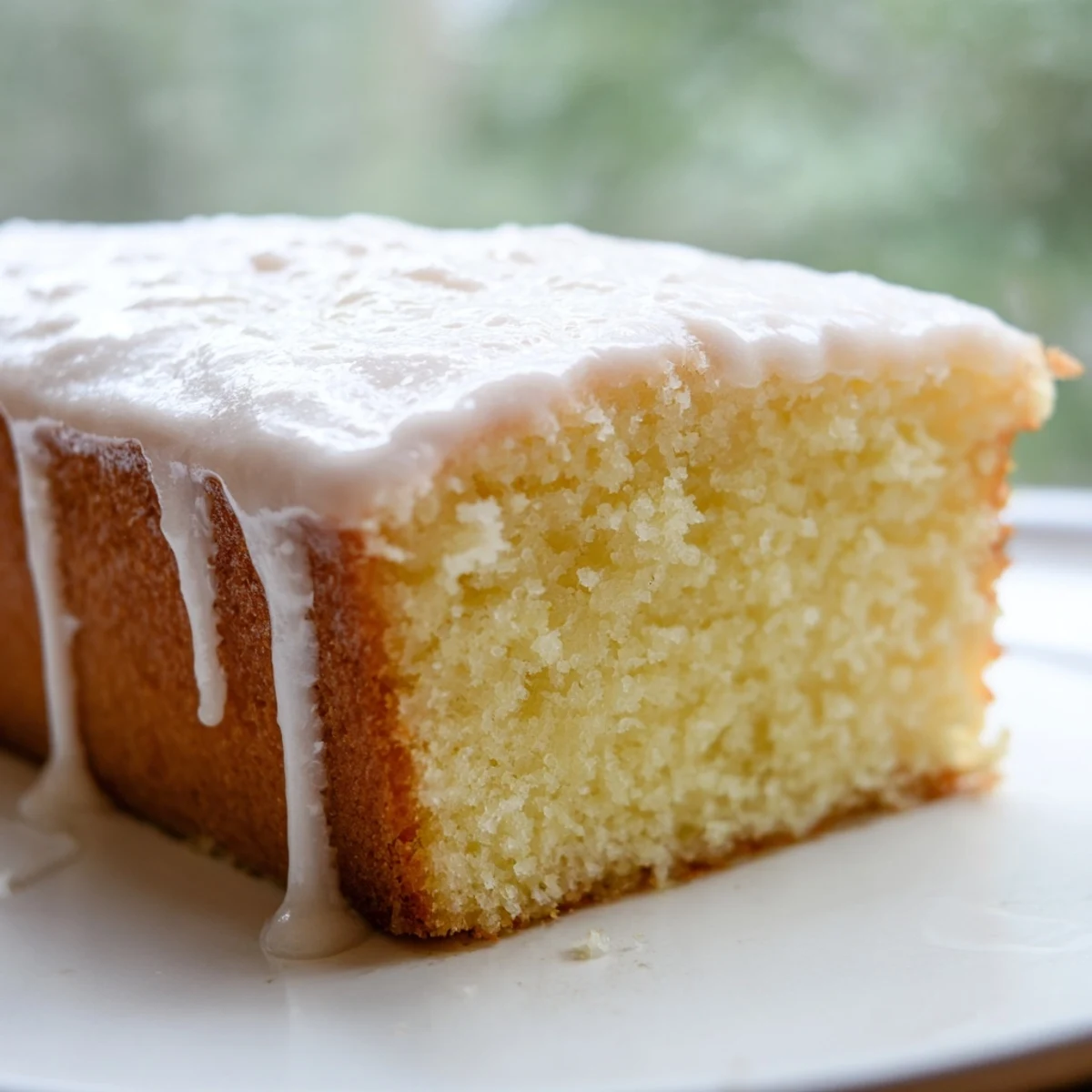
A proper glaze should be thick enough to coat the back of a spoon but thin enough to pour in an even stream. I start with two tablespoons of milk and add the third only if needed, whisking constantly until those powdered sugar lumps disappear completely. The glaze will set as it cools, so work with some confidence and do not overthink it.
Serving And Storing
This cake actually improves slightly after a day, as the flavors meld and the moisture distributes evenly throughout the crumb. Keep it covered at room temperature for up to three days, though in my house it rarely survives past the first 24 hours.
- Cut squares with a sharp knife dipped in hot water for clean edges that look professionally done.
- Press a paper towel gently against freshly cut slices to remove any crumbs before serving on pretty plates.
- Consider doubling the recipe for larger gatherings because the 9x13 pan disappears remarkably fast at parties.
 Pin It
 There is something profoundly nourishing about a cake designed for sharing, created to bring people together across folding tables and paper plates. Every slice carries the memory of all the hands that have made it before, and every pan you bake adds your own chapter to that ongoing story.
Recipe FAQs
- → Why is this called church cake?
-
Named for its popularity at community gatherings and potlucks, this cake travels well, serves a crowd easily, and uses pantry staples most bakers have on hand.
- → Can I make this ahead of time?
-
Yes, bake up to 2 days in advance. Store covered at room temperature and add the glaze the day of serving for freshest appearance.
- → What if I don't have buttermilk?
-
Combine 1 cup regular milk with 1 tablespoon lemon juice or white vinegar. Let stand 5 minutes until slightly thickened before using.
- → How should I store leftovers?
-
Cover tightly with plastic wrap or store in an airtight container at room temperature for up to 3 days. The glaze keeps the cake moist.
- → Can I freeze this cake?
-
Freeze unglazed cake wrapped in plastic and foil for up to 3 months. Thaw overnight at room temperature, then add glaze before serving.