
 Pin It
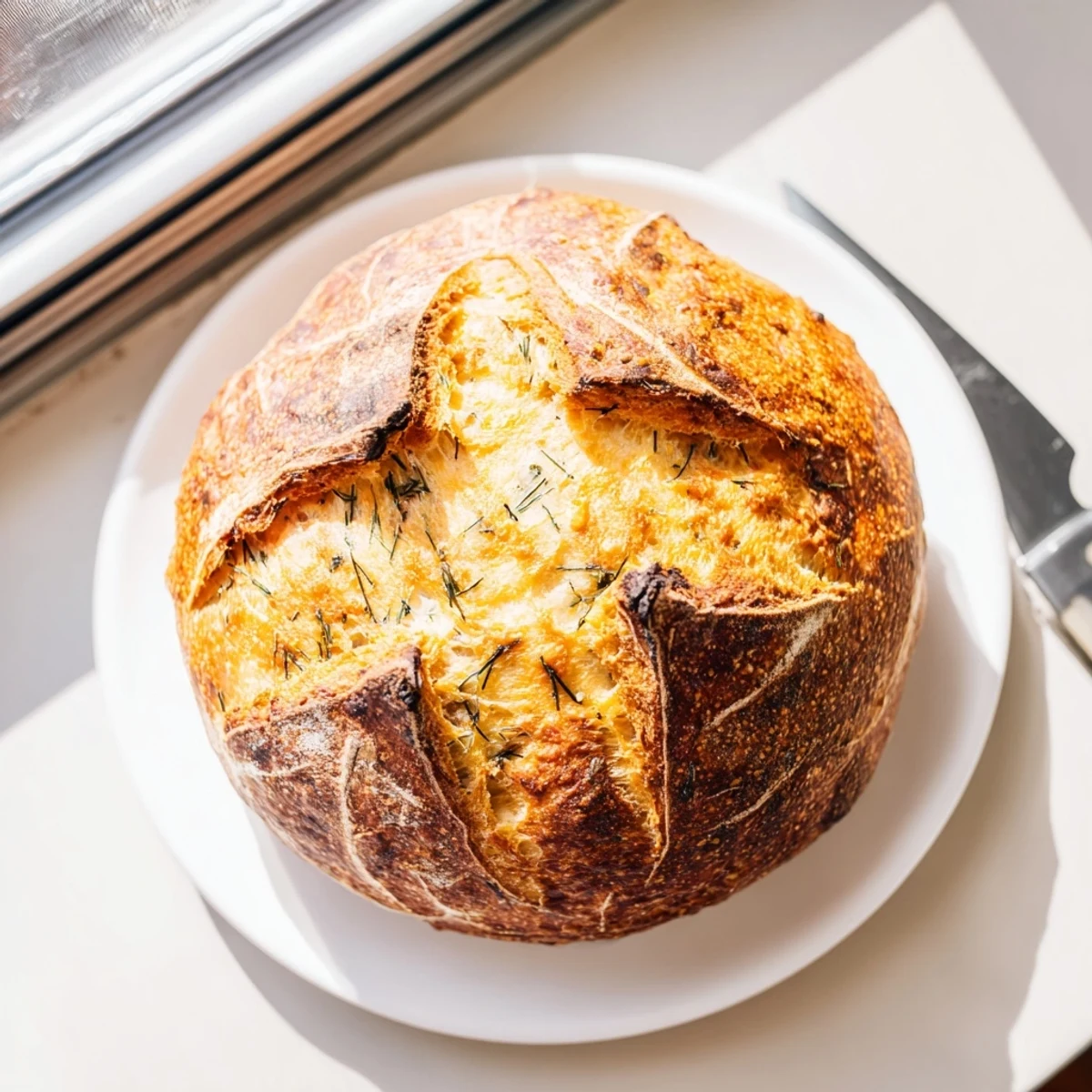
 This easy artisan bread combines the aromatic freshness of dill with rich, melted Gouda throughout. The dough requires minimal effort—simply mix ingredients and let rise overnight for maximum flavor development. Baked in a hot Dutch oven, the loaf develops a beautifully crackled crust while keeping the interior tender and airy. Perfect alongside hearty soups, toasted for breakfast, or sliced for gourmet sandwiches.
The smell of dill and melting Gouda drifting from the oven stops everyone in their tracks at my house. I stumbled on this combination during a rainy weekend when I was craving something warm and comforting but didnt want to spend hours kneading dough. Now it is the bread my friends actually request when they come over for dinner.
Last winter my neighbor texted me at midnight asking what I was baking because the aroma had drifted through the building vents. I brought over a warm slice the next morning and now we trade bread variations like secrets. Something about this loaf feels generous even before you share it.
Ingredients
- 3 1/4 cups bread flour: Higher protein than all purpose which gives you that beautiful artisan structure and chewy crumb
- 1 1/2 tsp salt: Enhances all the flavors and helps control fermentation during the long rise
- 3/4 tsp instant yeast: Just enough to work slowly overnight without overpowering the subtle dill notes
- 1 cup Gouda cheese coarsely grated: Aged Gouda melts into pockets of richness while adding that signature nutty sweetness
- 3 tbsp fresh dill finely chopped: Fresh herbs perfume every bite but dried works in a pinch though the flavor is more muted
- 1/2 tsp cracked black pepper: Optional but adds this gentle heat that balances the creamy cheese beautifully
- 1 1/2 cups lukewarm water: Hydration level is key here too dry and you lose the air holes too wet and it spreads flat
Instructions
- Mix the dough:
- Combine flour salt and yeast in a large bowl then stir in Gouda dill and pepper until evenly distributed. Pour in the water and mix with a spatula until you have a shaggy sticky dough that looks like a mess.
- Let it work overnight:
- Cover the bowl tightly with plastic wrap or a lid and walk away for 12 to 18 hours. The dough should bubble up double in size and look alive with tiny fermentation bubbles across the surface.
- Shape the loaf:
- Flour your work surface generously and scrape the dough out using a bench scraper or spatula. Gently fold the edges toward the center to create tension then flip it seam side down onto parchment paper.
- Preheat your Dutch oven:
- Place your Dutch oven with its lid inside a cold oven then heat to 450°F for at least 30 minutes. You want that vessel screaming hot to create immediate oven spring when the dough hits it.
- Bake covered first:
- Carefully lift the parchment and dough into the hot Dutch oven. Score the top with a sharp knife then cover and bake for 30 minutes to trap steam and develop that blistered crust.
- Finish uncovered:
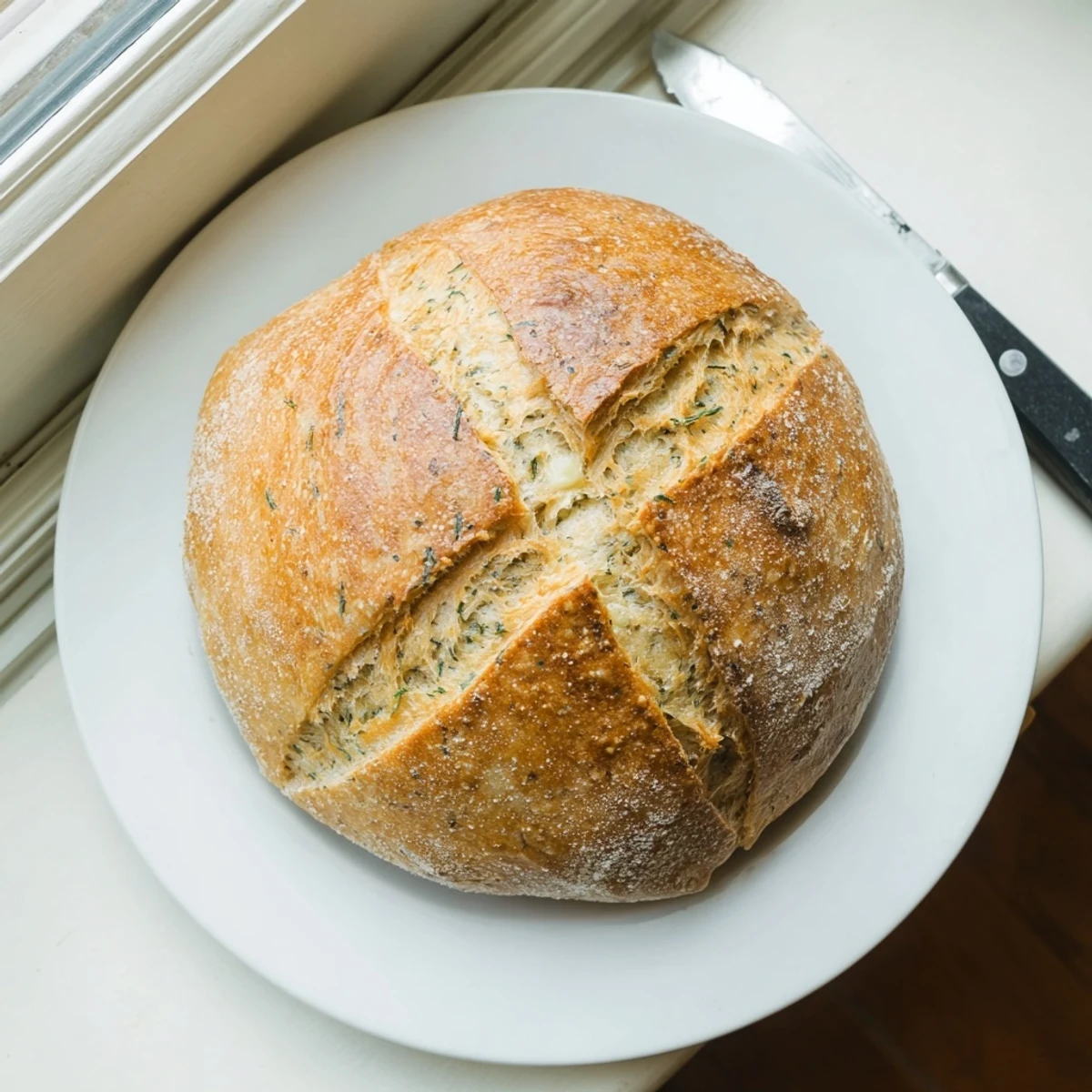
- Remove the lid and bake another 15 to 20 minutes until the bread turns deep golden brown and sounds hollow when tapped. Cool on a wire rack for at least an hour because slicing warm bread ruins the texture.
 Pin It
 My sister once tried making this without the Dutch oven step and said it was still good but completely different. Now she keeps a cheap enamel pot just for bread baking because the difference in texture convinced her completely.
Choosing Your Cheese
Aged Gouda develops these crunchy tyrosine crystals that survive baking and add tiny surprise bursts of flavor. Younger Gouda melts more thoroughly but you lose those delightful little crystals. I have found that grating it coarsely rather than finely gives you better cheese distribution throughout the crumb.
Fresh vs Dried Herbs
Fresh dill releases oils during baking that perfume your entire kitchen in this incredible way. Dried dill works but use only one third the amount and consider adding it right at the end of mixing so it does not get lost in the overnight fermentation. Sometimes I toss in a little extra fresh dill right before shaping for a brighter top note.
Timing Your Bake
The long fermentation develops deep flavor that quick yeast breads simply cannot achieve. Mix the dough in the evening after dinner and it will be ready to shape by lunchtime the next day. The beauty is that most of the time is hands off leaving you free to go about your day.
- Set a reminder for yourself to preheat the oven about an hour before you want to bake
- The dough is ready when it looks loose and bubbly with a slightly fermented tangy smell
- If your kitchen is cold the dough might take the full 18 hours and that is perfectly fine
 Pin It
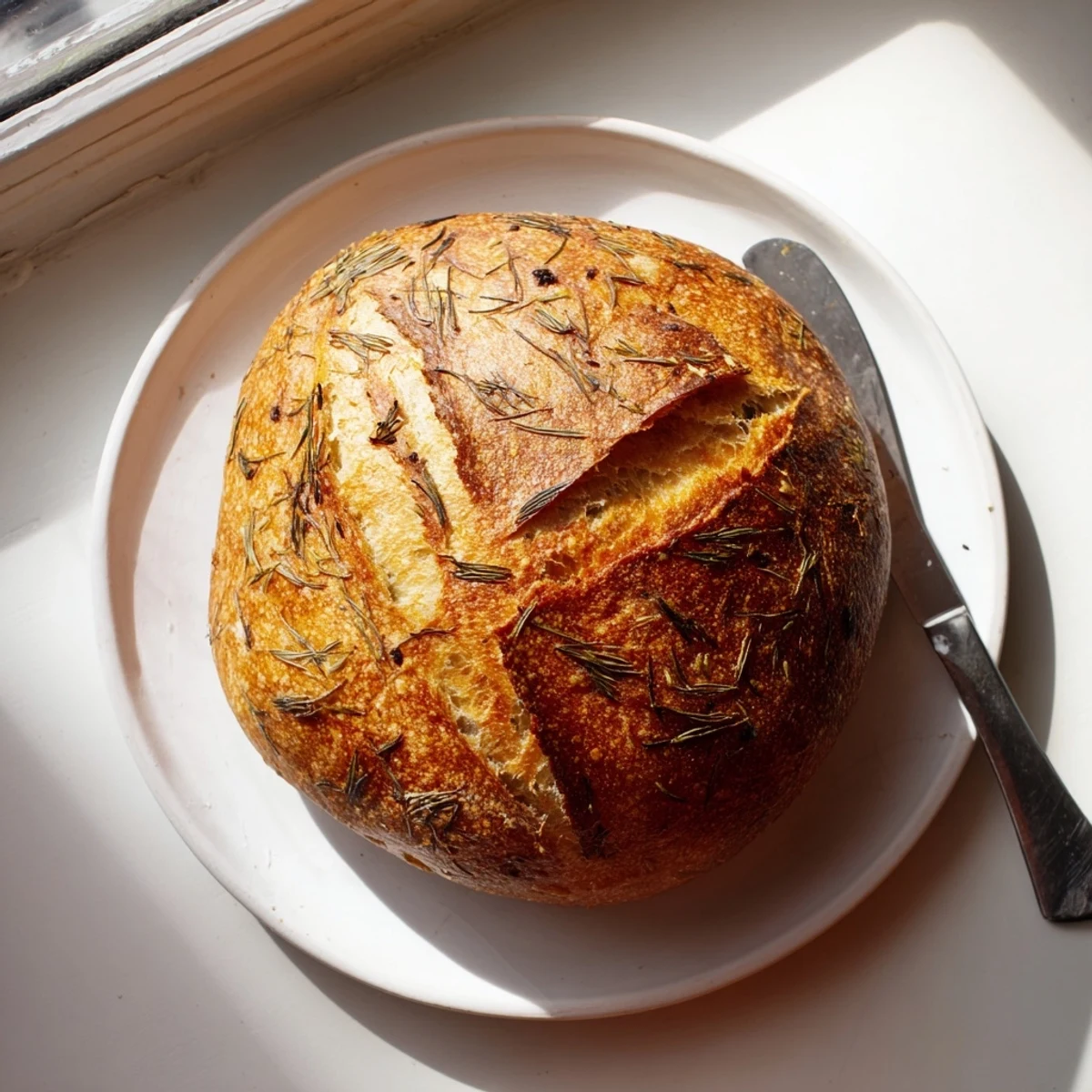
 There is something almost magical about pulling this loaf out of the oven when the cheese has melted into golden pockets throughout. Serve it warm with salted butter and you will understand why bread making feels like a gift you give yourself.
Recipe FAQs
- → Why does this dough need to rise for so long?
-
The extended 12-18 hour rise allows enzymes to break down starches and develop complex flavors. This slow fermentation creates the bread's characteristic taste and airy texture without requiring kneading.
- → Can I use dried dill instead of fresh?
-
Yes, substitute 1 tablespoon of dried dill for the 3 tablespoons fresh. The flavor will be slightly more concentrated, so you might want to start with 2 teaspoons and adjust to taste.
- → What makes Gouda ideal for this loaf?
-
Gouda melts beautifully during baking, creating pockets of creamy richness throughout the crumb. Its nutty, slightly sweet flavor complements the herbal notes of fresh dill perfectly.
- → Is a Dutch oven necessary?
-
A Dutch oven creates the steamy environment needed for a crispy, crackly crust. You can use a heavy cast iron pot with a tight-fitting lid or a cloche. Without one, the crust will be thinner and less crunchy.
- → How should I store leftovers?
-
Wrap cooled loaf in plastic or store in a bread box at room temperature for up to 3 days. For longer storage, slice and freeze in freezer bags—toast slices directly from frozen.
- → Can I add other ingredients?
-
Absolutely. Lemon zest, garlic, roasted garlic, or chopped scallions make excellent additions. You could also swap Gouda for aged cheddar, Emmental, or a blend of cheeses.