 Pin It
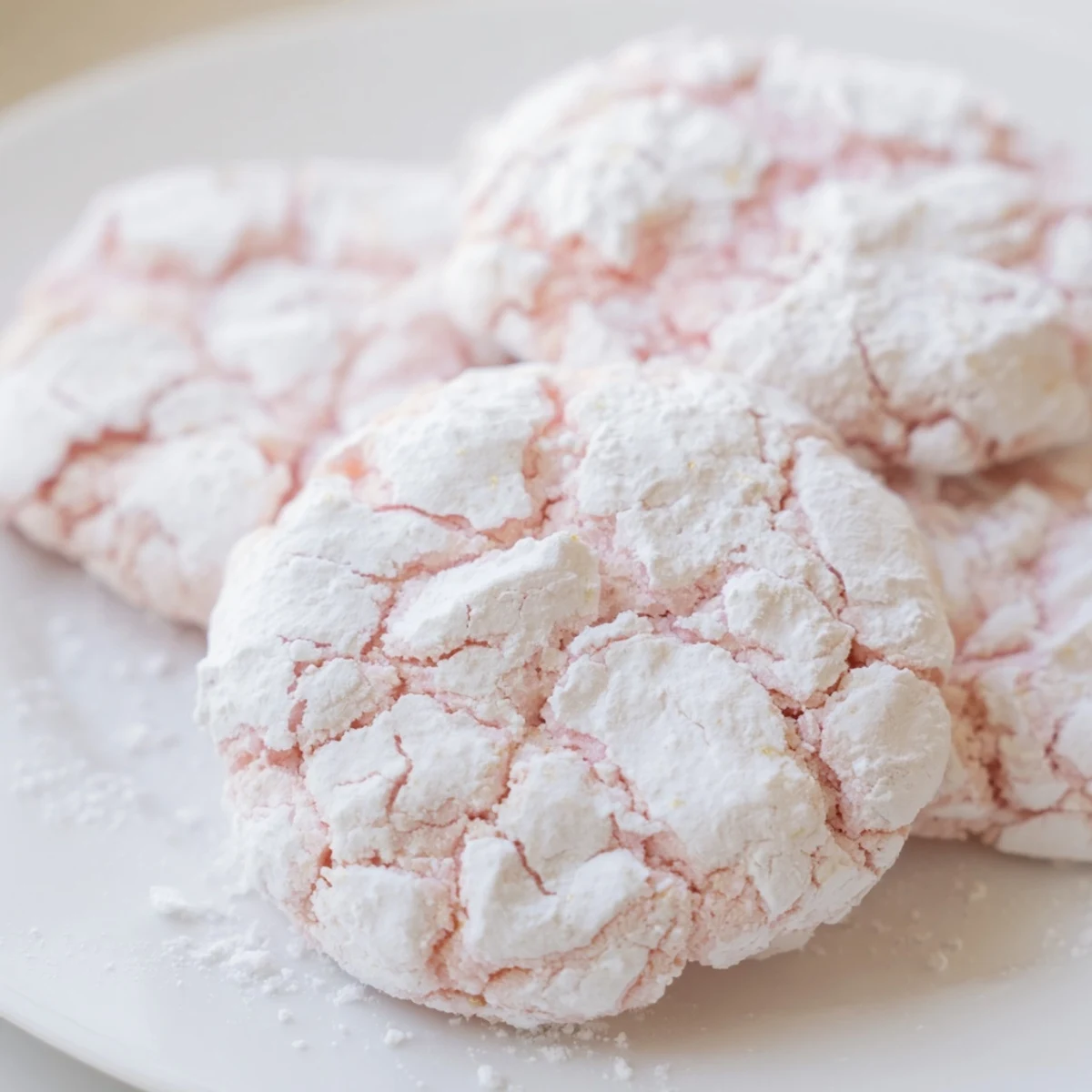
 These delicate pastel crinkle cookies feature a soft, chewy center beneath a beautiful crackled exterior coated in powdered sugar. The dough is tinted with pink, yellow, green, and blue gel coloring to create stunning spring-inspired treats that are as delightful to look at as they are to eat. Each bite offers a tender texture and sweet vanilla flavor that makes them perfect for Easter, baby showers, birthday parties, or any occasion calling for something special and colorful.
The kitchen counter looked like an art project gone wonderfully wrong. Bowls of pastel dough sat everywhere, each one a different shade of spring. I'd originally planned to make regular sugar cookies, but something about the gray February day outside made me reach for the food coloring.
My sister walked in mid-rolling and immediately started laughing at my powdered-sugar-covered arms. We ended up sitting on the kitchen floor, eating the first batch warm while the next tray baked, debating which color tasted best. (Spoiler: they all taste the same, but pink somehow won anyway.)
Ingredients
- All-purpose flour: The backbone of these cookies, providing structure while keeping them tender
- Baking powder: Essential for that signature crackled top as the cookies rise and spread
- Salt: Just enough to balance the sweetness and make flavors pop
- Unsalted butter: Softened to room temperature so it creams properly into the sugar
- Granulated sugar: Sweetens the dough while creating that crisp exterior texture
- Eggs: Room temperature eggs bind everything together and add richness
- Vanilla extract: The classic flavor that pairs with anything, though almond works beautifully too
- Whole milk: Adds moisture and helps create that chewy, soft center we love
- Gel food coloring: Much better than liquid for achieving true pastel shades without thinning the dough
- Powdered sugar: The final coating that creates those gorgeous cracks and sweet finish
Instructions
- Prep your oven and pans:
- Preheat to 350°F and line baking sheets with parchment paper so nothing sticks
- Mix the dry ingredients:
- Whisk flour, baking powder, and salt in a medium bowl until well combined
- Cream the butter and sugar:
- Beat softened butter and granulated sugar until the mixture looks fluffy and pale
- Add the wet ingredients:
- Beat in eggs one at a time, then stir in vanilla until everything is incorporated
- Combine everything:
- Add flour mixture and milk alternately in two parts, mixing until just combined
- Create the colors:
- Divide dough into bowls and tint each with gel coloring until you reach soft pastel shades
- Chill if needed:
- If dough feels sticky or warm, refrigerate for 20 minutes to make rolling easier
- Coat and bake:
- Roll balls in powdered sugar, place on baking sheets, and bake for 10-12 minutes until edges are set
 Pin It
 These became my go-to for baby showers and birthday parties after I brought them to a friend's spring brunch. The host texted me later that she'd never seen cookies disappear so fast, with three different people asking for the recipe.
Getting That Perfect Crackled Look
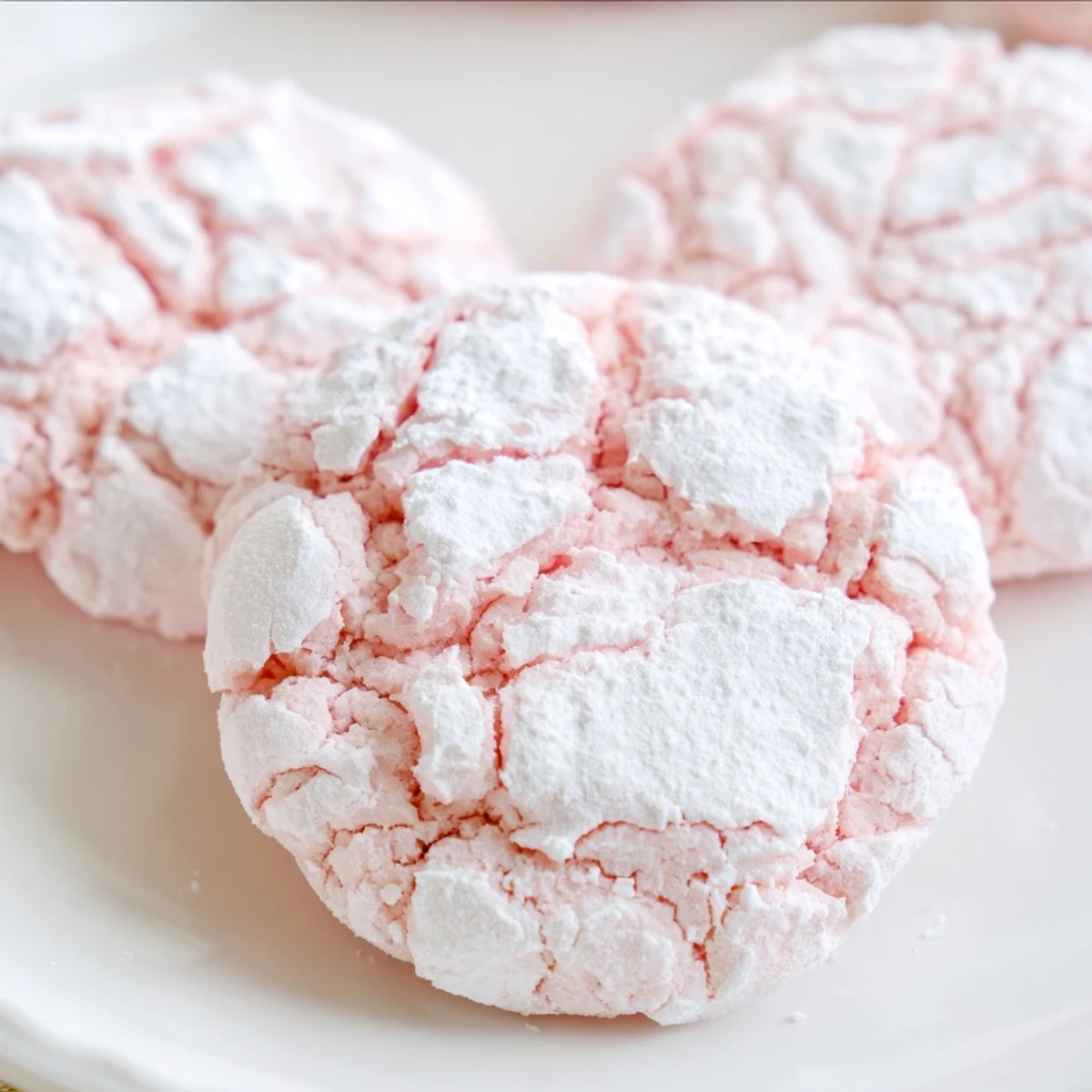
The sugar coating does more than make them pretty, it creates that crackled effect as the dough spreads and rises beneath it. I've learned the hard way that thick, even coating matters more than you think.
Working With Gel Colors
Gel food coloring is infinitely better than the liquid stuff for these cookies. A tiny amount goes a long way, and you won't throw off your dough consistency like you would with traditional drops.
Make-Ahead Magic
The dough balls can be rolled in sugar and frozen raw for up to three months. Just bake them straight from frozen, adding maybe two minutes to the time.
- Scoop and freeze individual dough balls on a tray first, then transfer to a bag
- Label by color so you can mix and match for different occasions
- Let the coating soften slightly before baking if it's been frozen for a while
 Pin It
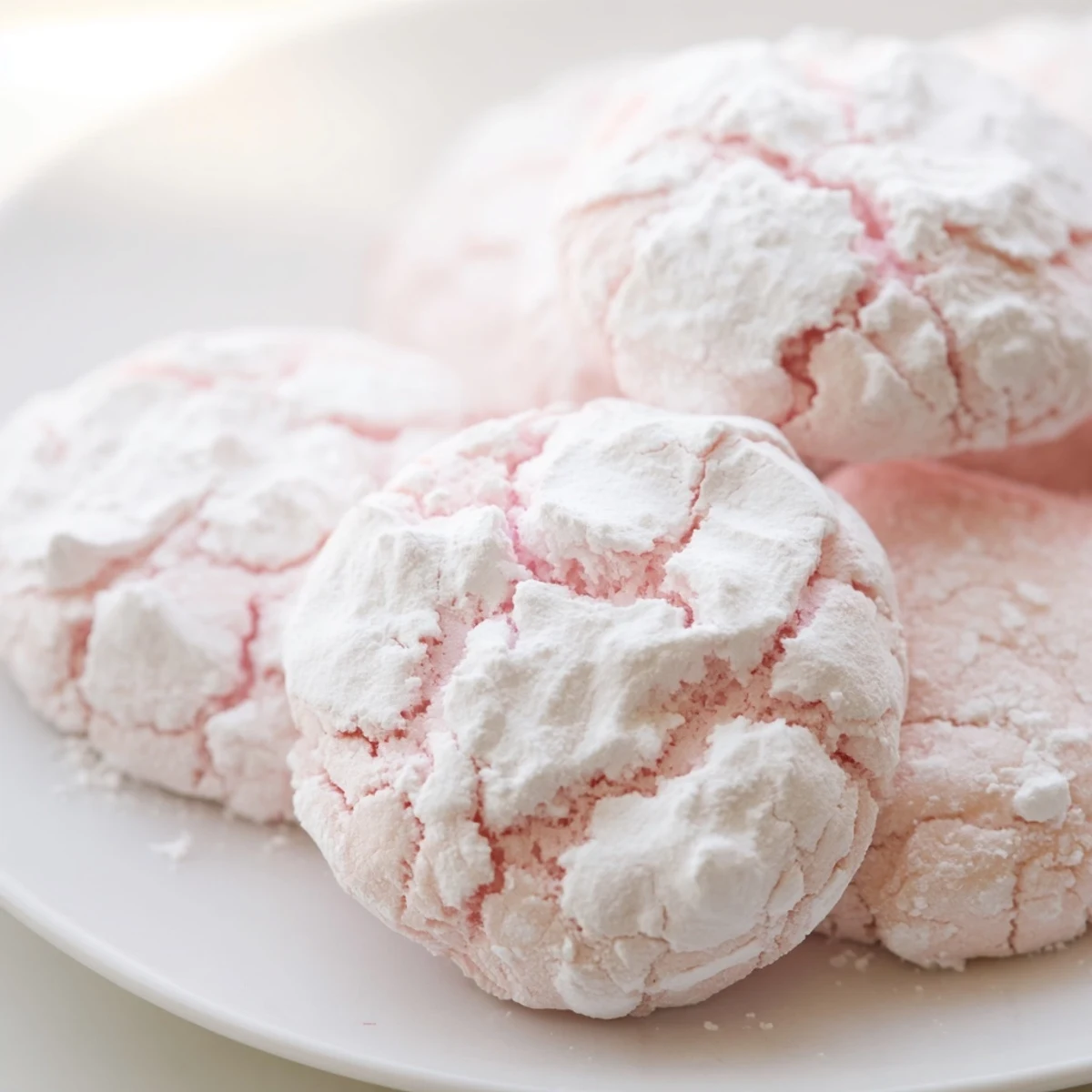
 There's something about pastel cookies that makes ordinary Tuesdays feel like celebrations. Maybe that's exactly what we need sometimes.
Recipe FAQs
- → Why do my cookies lose their crinkle effect?
-
The crinkle effect happens when powdered sugar creates a barrier that prevents the dough from spreading too quickly while baking. If your cookies don't crackle, try rolling them more generously in powdered sugar and ensure your dough is properly chilled before baking. Using room temperature dough can also reduce the crackling effect.
- → Can I make the dough ahead of time?
-
Yes, you can prepare the colored dough portions and store them in the refrigerator for up to 24 hours before baking. Let the dough soften slightly at room temperature for 10-15 minutes before rolling into balls, as chilled dough can be too firm to scoop easily.
- → What's the best way to achieve true pastel colors?
-
Use gel food coloring rather than liquid for the most vibrant yet soft pastel shades. Start with just 2-3 drops of gel coloring per dough portion and mix thoroughly. You can always add more, but it's difficult to lighten colors once they become too saturated. The dough will darken slightly as it bakes.
- → How do I know when the cookies are done baking?
-
The cookies are ready when the edges are set and slightly firm to the touch, but the centers still feel soft and slightly underbaked. The tops should have a distinct crackled pattern with powdered sugar visible in the crevices. They will continue to firm up as they cool on the baking sheet.
- → Can I freeze these cookies?
-
Yes, baked cookies freeze beautifully for up to 3 months. Layer them between parchment paper in an airtight container to prevent sticking. Thaw at room temperature for 1-2 hours before serving. You can also freeze the unshaped colored dough for up to 2 months and thaw overnight in the refrigerator before baking.
- → Why did my dough spread too much in the oven?
-
Excessive spreading usually means the dough was too warm before baking. Chilling the colored dough portions for 20-30 minutes helps firm the butter and maintains the cookie shape. Also ensure your baking sheets are completely cool before placing dough on them, as warm pans cause immediate spreading.