
 Pin It
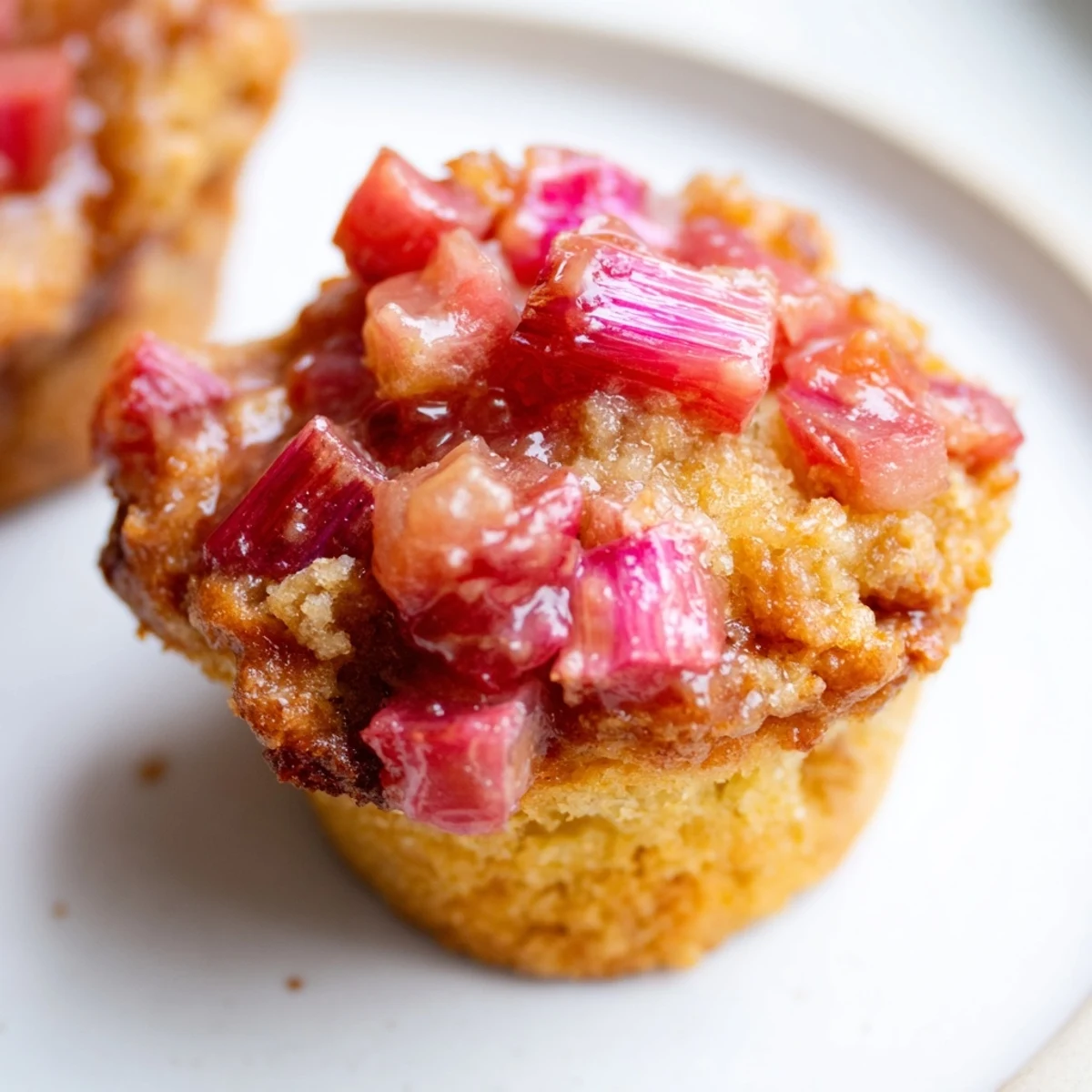
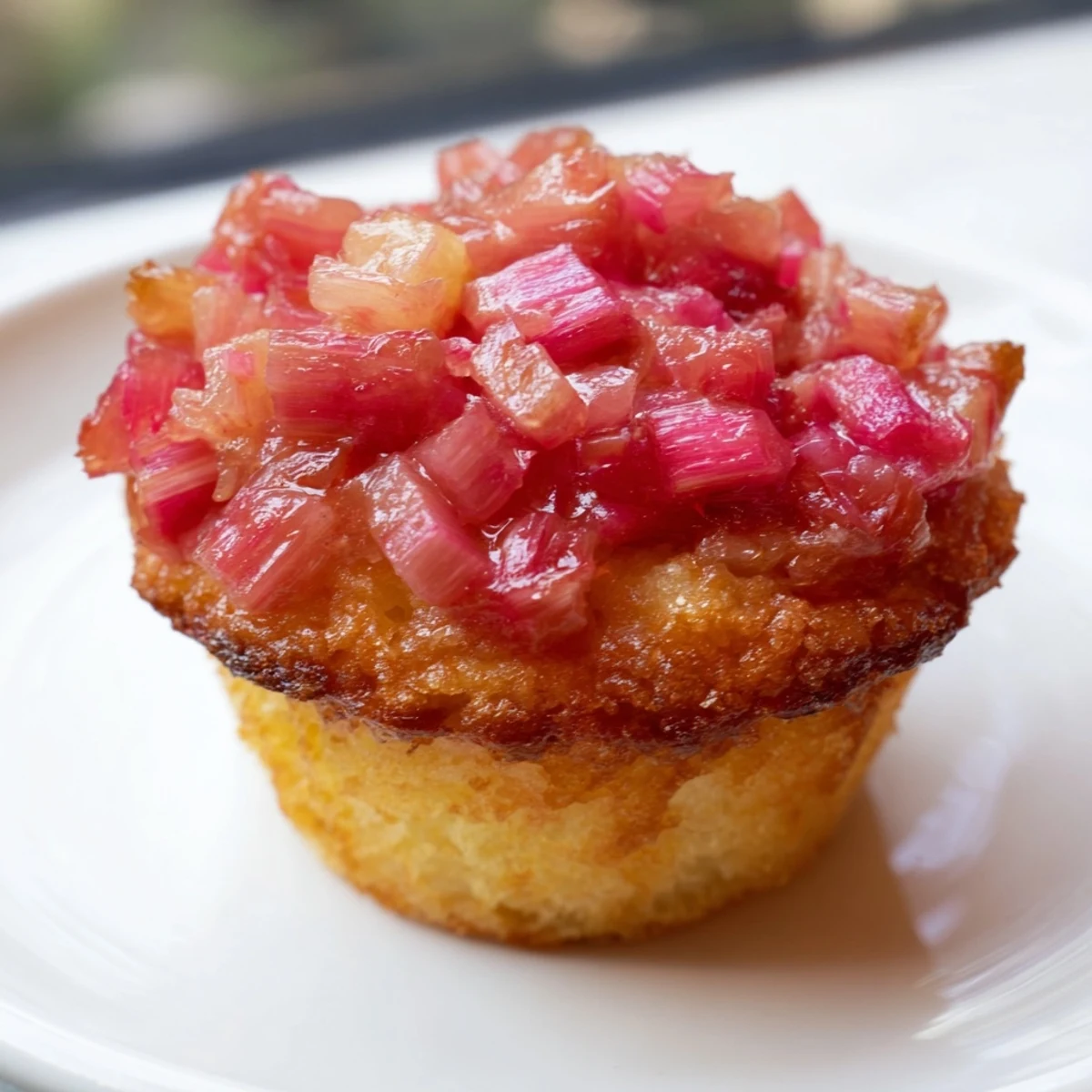
 These upside down rhubarb muffins flip the classic formula by layering diced rhubarb with sugar and butter at the bottom of each muffin cup. As they bake, the rhubarb caramelizes into a glossy, jewel-toned topping.
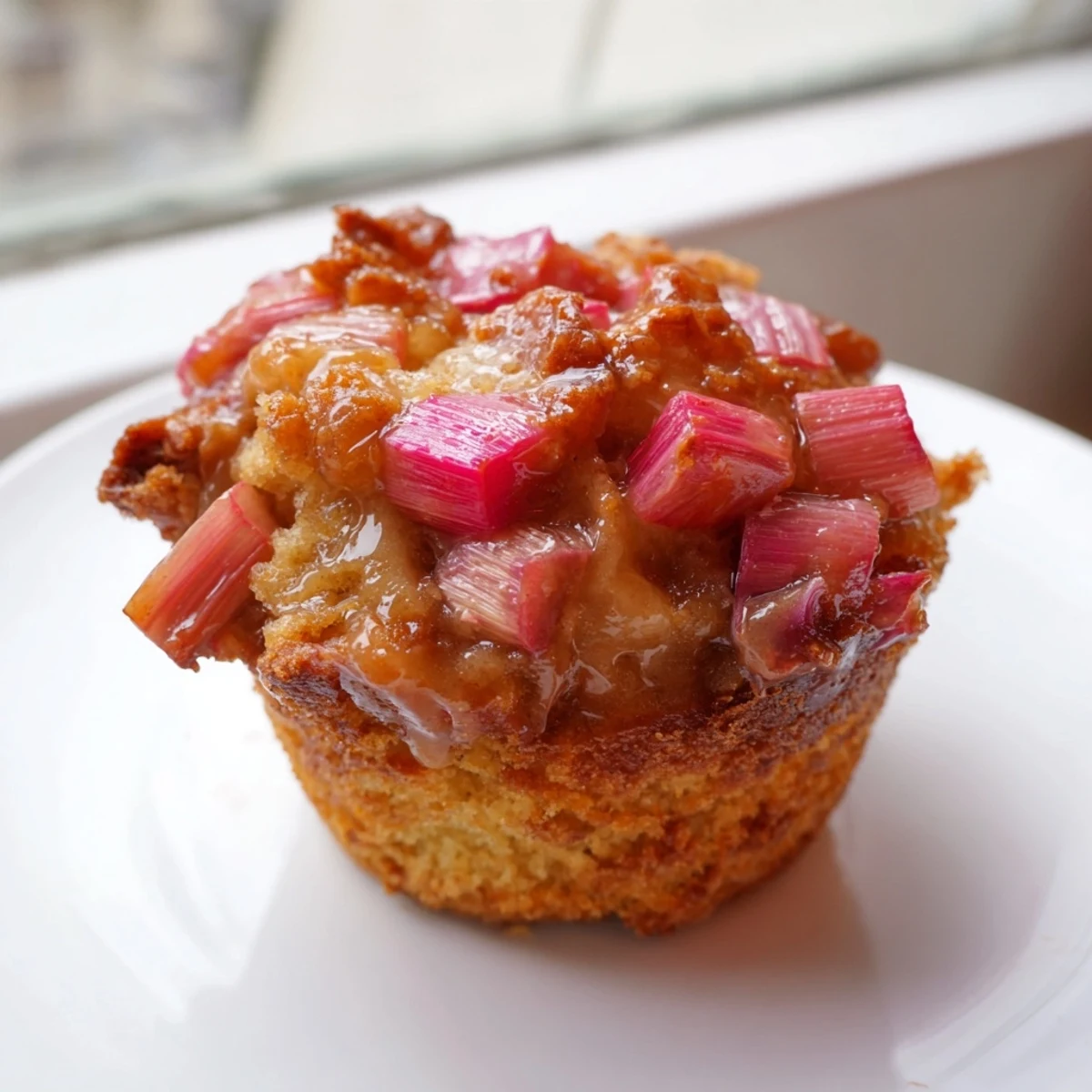
Once baked and inverted, you get a beautiful muffin with a sticky, sweet-tart rhubarb crown. The batter itself is tender and lightly sweet, letting the tangy fruit shine. They come together in about 45 minutes with everyday pantry staples.
Perfect for spring brunches, weekend breakfasts, or as an afternoon snack with a cup of tea. A pinch of cinnamon or ginger in the rhubarb layer adds warmth, and they store well for a couple of days in an airtight container.
The spring my neighbor left a grocery bag of rhubarb on my porch, I stood in the kitchen holding those pink stalks like a puzzle I had not solved yet. Muffins seemed safe enough, but flipping them upside down felt like a small act of rebellion that paid off immediately. The caramelized fruit crowned each one like a jewel, and I have never gone back to regular muffins since.
I brought a tray of these to a Sunday brunch at my friends place, still warm, and watched three people ignore the entire spread of eggs benedict and smoked salmon just to reach for seconds. One friend stood over the plate with a napkin, eating her third muffin while pretending she was still deciding. That honest reaction is worth every sticky moment of inverting them onto the rack.
Ingredients
- Fresh rhubarb: Two cups diced, and please use fresh, not frozen, because frozen rhubarb leaks water and turns the topping into soup instead of caramel.
- Granulated sugar for the topping: Half a cup might seem like a lot, but it melts with the butter and creates that sticky layer that holds everything together.
- Unsalted butter, melted: Two tablespoons for the topping and half a cup for the batter, and let the batter butter cool before adding eggs so you do not scramble them.
- All purpose flour: Two cups, spooned and leveled, because packed flour makes dense muffins that never rise properly.
- Granulated sugar for the batter: Three quarters of a cup gives the muffin itself a gentle sweetness that lets the tart rhubarb topping shine.
- Baking powder and baking soda: Two teaspoons and half a teaspoon respectively, and check that your baking powder is fresh or the muffins will stay flat.
- Salt: Just a quarter teaspoon, but it rounds out the sweetness in a way you will notice if you forget it.
- Large eggs: Two, at room temperature, so they blend smoothly into the melted butter without seizing.
- Whole milk: One cup, though buttermilk works beautifully too if you happen to have some.
- Vanilla extract: One teaspoon for warmth, and use the real stuff if you can because you can taste the difference here.
Instructions
- Prepare your pan:
- Heat the oven to 350 degrees Fahrenheit and grease a twelve cup muffin tin generously, or line it with paper cups, making sure to coat the top edges where the caramel might bubble up.
- Make the rhubarb topping:
- Toss the diced rhubarb with half a cup of sugar and two tablespoons of melted butter in a bowl until every piece glistens, then spoon about one to two tablespoons of this mixture into the bottom of each muffin cup, pressing it down gently.
- Build the dry mix:
- In a large bowl, whisk together the flour, three quarters of a cup of sugar, baking powder, baking soda, and salt until evenly distributed and free of lumps.
- Combine the wet ingredients:
- In a separate bowl, beat the cooled melted butter with the eggs, milk, and vanilla until smooth and slightly frothy on the surface.
- Marry the two:
- Pour the wet mixture into the dry ingredients and fold gently with a spatula, stopping while there are still a few streaks of flour visible, because overmixing creates tough muffins with pointed tops instead of round ones.
- Fill the tin:
- Divide the batter evenly among the twelve cups, spooning it directly over the rhubarb layer, and do not worry if it looks like a lot because they will rise and settle.
- Bake until golden:
- Slide the tin into the center of the oven and bake for twenty three to twenty five minutes, until the tops are lightly golden and a toothpick poked into the center of a muffin comes out clean.
- The big flip:
- Let the muffins rest in the tin for exactly five minutes, no longer, then place a wire rack over the top of the tin and invert the whole thing in one confident motion so the rhubarb ends up on top.
- Serve and enjoy:
- Eat them warm if you can, when the topping is still slightly gooey and the muffin is soft, though they hold up nicely at room temperature for a couple of days.
 Pin It
 The morning I made these for my mothers birthday breakfast, she held one up to the light and said it looked too pretty to eat, then polished off two before her coffee was even ready.
Flavor Twists Worth Trying
A pinch of cinnamon or ground ginger tossed with the rhubarb topping adds a warmth that works beautifully on cool spring mornings. I once added a teaspoon of cardamom to the batter on a whim, and the floral spice turned the whole batch into something that tasted far more Scandinavian than American, which I loved. For a savory contrast, a handful of cornmeal swapped in for a quarter cup of flour gives the muffins a satisfying crunch beneath the soft fruit.
Serving Them Your Way
These muffins hold their own at a brunch table next to eggs and salad, but a scoop of vanilla ice cream on a warm one turns them into a proper dessert worth serving after dinner. Whipped cream works too, especially if you add a whisper of orange zest to it. Cold leftovers split in half and toasted in a skillet with butter make an almost absurdly good breakfast the next day.
Storing and Reheating
Keep leftover muffins in an airtight container at room temperature for up to two days, though the topping is best on day one when it still has that glossy, sticky finish. After that, the fruit softens into the muffin, which is still delicious but less dramatic. For longer storage, freeze them flat on a sheet pan until solid, then transfer to a bag.
- Reheat from frozen in a 300 degree Fahrenheit oven for about ten minutes to revive the texture.
- Avoid the microwave, which turns the topping into a soggy puddle and toughens the crumb.
- Always store them upside down on parchment so the topping does not stick to anything.
 Pin It
 Every spring I wait for rhubarb to show up at the market, and this recipe is always the first thing I make with it. They are messy, sweet, tart, and completely worth the sticky fingers.
Recipe FAQs
- → Can I use frozen rhubarb instead of fresh?
-
Yes, frozen rhubarb works well. Thaw it completely and pat it dry with paper towels before using. Excess moisture can make the topping too watery and affect the muffin texture.
- → Why do my muffins stick when I invert them?
-
Make sure to grease the muffin tin thoroughly, especially the bottoms and sides. Let the muffins cool for exactly 5 minutes before inverting — too short and they fall apart, too long and the caramelized rhubarb hardens and sticks. Running a thin knife around the edges helps release them cleanly.
- → How should I store leftover rhubarb muffins?
-
Store them in an airtight container at room temperature for up to 2 days. For longer storage, refrigerate for up to 5 days and gently reheat before serving. The rhubarb topping is best enjoyed warm or at room temperature.
- → Can I make these muffins dairy-free?
-
Absolutely. Substitute the butter with a plant-based alternative like vegan butter or coconut oil, and swap the whole milk for oat milk, almond milk, or another plant-based milk. The texture and flavor remain excellent.
- → What other fruits work for upside down muffins?
-
Stone fruits like sliced peaches or plums work beautifully, as do diced apples with cinnamon, pineapple chunks, or mixed berries. Adjust the sugar in the topping based on the natural sweetness of the fruit you choose.
- → Can I add nuts or streusel to these muffins?
-
Yes, a handful of chopped pecans or walnuts added to the rhubarb topping brings a lovely crunch. A simple streusel sprinkled over the batter before baking also adds a nice buttery, crumbly contrast to the soft muffin and sticky topping.