
 Pin It
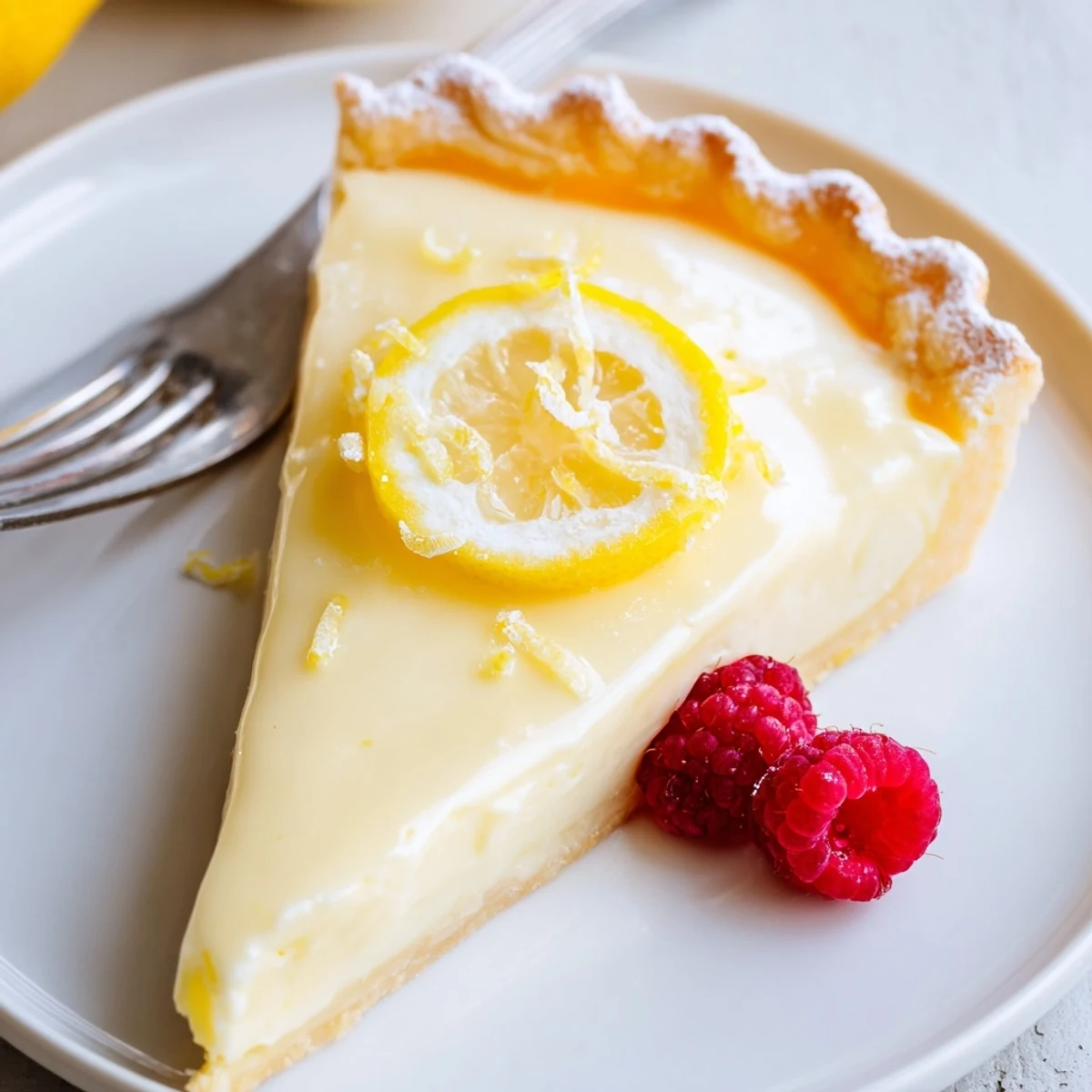
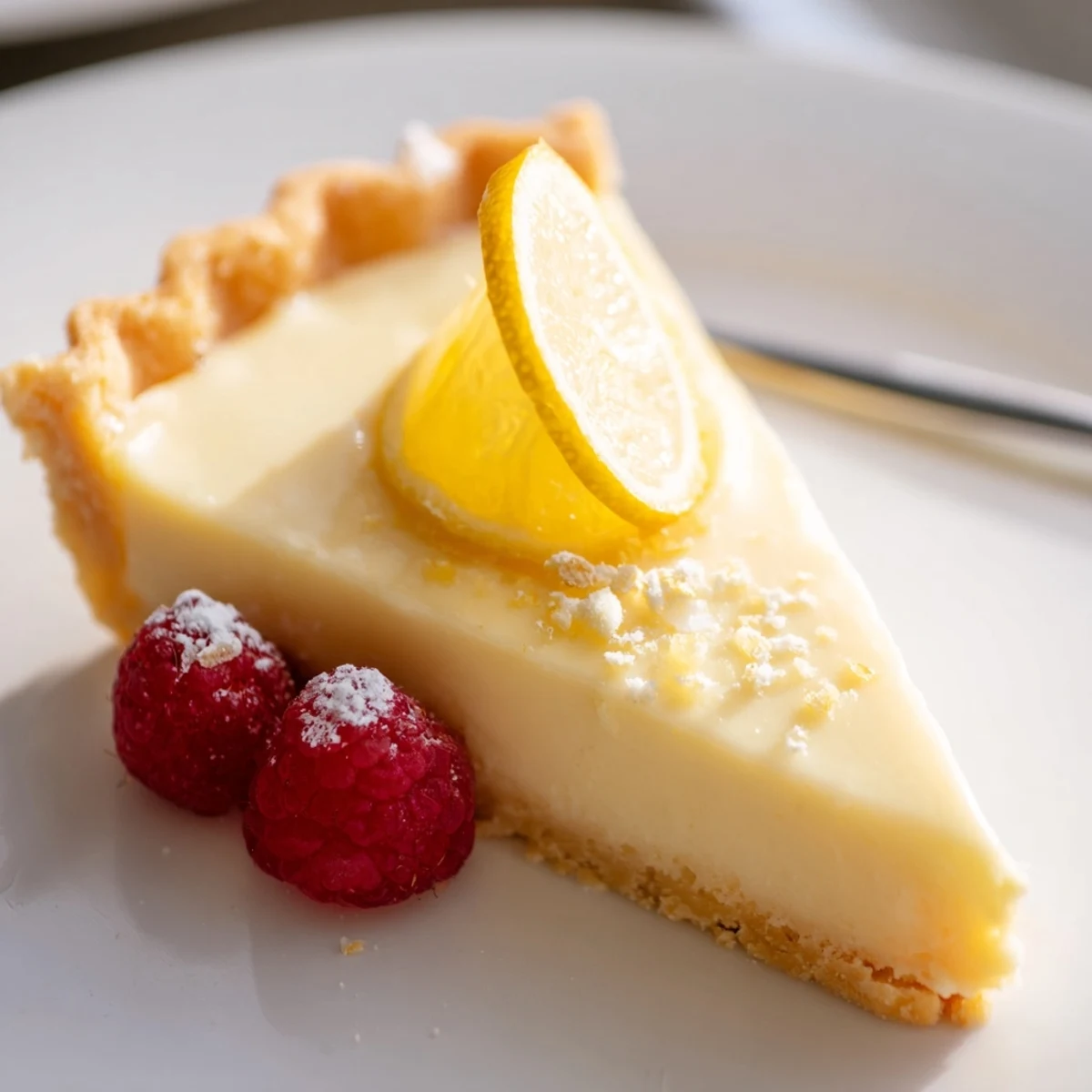
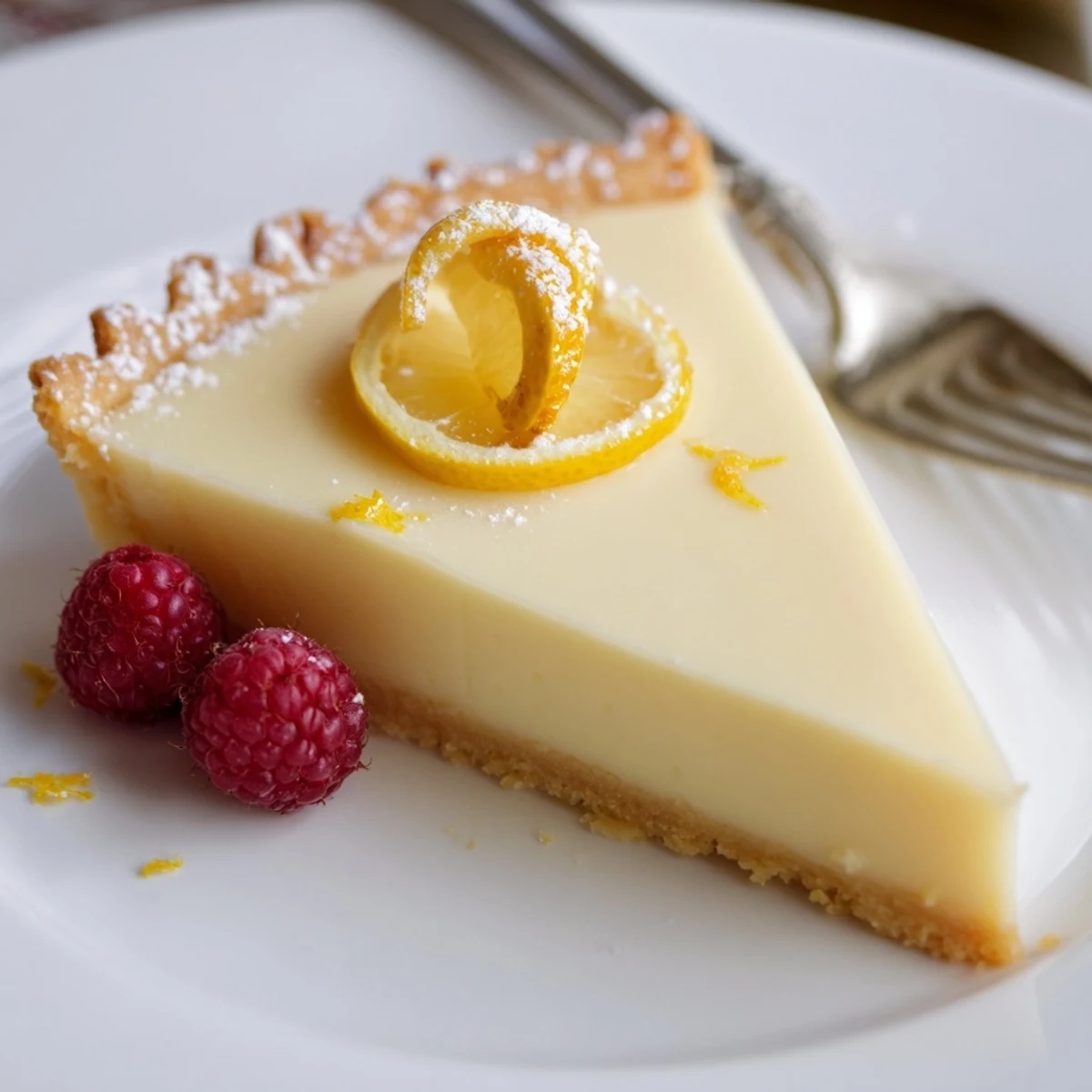
 This tart pairs a crisp, buttery short crust with a silky lemon custard made from cream, whole eggs and yolks, sugar, lemon zest and juice. Blind-bake the crust until golden, pour the smooth filling and bake gently until edges are set and the center is slightly jiggly. Cool completely and refrigerate to finish; dust with powdered sugar or top with fresh berries before serving.
The tart scent of lemon always feels like the promise of something bright, and the first time I made this creamy lemon tart, the whole apartment filled with sunshine — even on a rainy afternoon. I remember the whir of the food processor, the gentle surprise of cold butter on my fingertips as I worked with the dough. There’s a quiet thrill in seeing the pale yellow filling set just enough, knowing the reward will be that first cool, luscious bite. This recipe was born from a craving for something both velvety and uplifting, the kind of treat that lightens a weeknight or glams up an ordinary weekend lunch.
I once made this tart for a friend’s spring birthday picnic, only realizing at the last moment that I had no cake carrier. We ended up tucking the tart, still in its pan, inside a makeshift nest of kitchen towels in the passenger seat — the scent of lemon and butter filling the car all the way to the park. There wasn’t a crumb left by the time we packed up our blankets, and someone asked if I’d share the recipe. I had to scribble it down on the back of a grocery receipt.
Ingredients
- All-purpose flour: Choose a fresh, unbleached flour for good flavor and color; be careful not to overwork, or the crust can turn dense.
- Powdered sugar: This helps create a tender, melt-in-your-mouth pastry; sifting to remove lumps gives a smoother dough.
- Salt: Just a pinch brings out both the buttery notes in the crust and the lemon’s brightness in the filling.
- Unsalted butter: Use cold, cubed butter for flaky results; I freeze it briefly if my kitchen’s warm.
- Egg yolk: Contributes richness and binds the dough; reserve the whites for another recipe.
- Cold water: Add just enough to bring the dough together; too much and it gets sticky.
- Heavy cream: The secret to a luscious, custardy filling; don’t substitute with milk or it won’t set as luxuriously.
- Granulated sugar: Balances the lemon’s tartness; I always taste the filling before pouring to check the sweetness.
- Eggs & egg yolks: They give structure and silkiness; let them come to room temperature for easier mixing.
- Lemon zest: Only zest the colored part; too much white pith makes it bitter.
- Fresh lemon juice: Fresh squeezed is crucial here — bottled juice just can’t compare.
- Powdered sugar, berries, candied lemon (garnish): These finish the tart beautifully, but even plain, it’s a stunner.
Instructions
- Let’s get the oven and dough underway:
- Set your oven to 350°F (175°C) — you’ll want the kitchen to start warming up. Whirl the flour, powdered sugar, and salt together in a food processor, then add that very cold butter and pulse until the mixture looks like chunky sand.
- Forming the magic crust:
- Add the egg yolk and two tablespoons cold water, pulsing until the dough almost — but not quite — comes together. If it feels dry, splash in another spoonful of water, but the dough should still look a bit craggy.
- Chilling and shaping:
- Dump the dough onto a floured surface, press it together gently, and shape it into a disk. Wrap it up and chill for 30 minutes; meanwhile, clear the counters and sneak a taste of the lemon you’ll be zesting soon.
- The crust goes into the pan:
- Once it’s chilled, roll the dough to about 1/8-inch thickness and ease it into your tart pan, patching any cracks. Prick the base with a fork and pop it in the freezer for 10 minutes to help it hold its shape.
- Baking up a golden shell:
- Line the crust with parchment and weigh it down with pie weights (or dried beans). Bake for 15 minutes, remove the weights, and bake another 8–10 minutes until golden; let it cool slightly while you make the filling.
- Mixing the silky filling:
- Lower the oven to 300°F (150°C), then whisk together the cream, sugar, eggs, yolks, zest, juice, and salt until no streaks remain — the mixture should feel light and pourable.
- Filling and gentle baking:
- Pour the lemon filling into the crust and bake 20–25 minutes. The edges will be set but the center should still wobble slightly when you nudge the pan.
- Cooling and dressing up:
- Let the tart cool completely, then slide it into the fridge for at least an hour. Right before serving, dust with powdered sugar and tumble on some berries or candied lemon — or just slice and serve as is.
 Pin It
 It was after sharing this tart at a summer dinner party — watching an aunt go back for a second sliver when she thought no one saw — that I realized desserts can be a love language all their own. Suddenly, the careful zesting, the waiting, even the cleanup felt like part of something bigger than just dessert.
Getting Ahead or Going Slow
This is a forgiving tart to make in advance — the crust actually holds up better after a night in the fridge, and the lemon flavor deepens as it rests. If you’re tight on time, chill the dough and pre-bake the crust the day before, so the day you serve, it’s just a quick mix and a gentle bake for the filling. There’s a quiet joy in unveiling a dessert with zero stress after the work is done.
Choosing and Using Lemons
Bright, unblemished lemons yield the most aromatic zest and lively juice. If you can, roll them firmly on the counter before juicing to coax out every last drop. Leftover zest is a treasure — keep it in a jar of sugar for spirited tea or baking later on.
Serving Suggestions and Extras
Each slice is lovely alone, but sometimes I scatter on crushed pistachios or a pile of fresh raspberries for color and crunch. Pairing with lightly whipped cream or a glass of something sparkling feels like a celebration, even if it’s just a weeknight.
- A sprinkle of flaky salt over the tart can make the lemon pop.
- If serving outdoors, keep the tart cool until the last minute for those clean, silky slices.
- Remember: a messy first slice means the second comes out perfect.
 Pin It
 I hope making this tart fills your kitchen with light, and turns any moment into something just a bit more special. There’s magic in every curl of lemon zest and buttery crumb.
Recipe FAQs
- → How do I prevent a soggy crust?
-
Blind-bake the crust with parchment and weights until the edges are golden, then remove the weights and bake a few minutes more to dry the base. Chilling the dough before rolling also helps maintain a flaky, crisp texture.
- → How can I tell when the filling is done?
-
The filling should be set around the edges and still slightly jiggly in the center when gently shaken. It will continue to firm as it cools and chills in the fridge, avoiding an overbaked curd texture.
- → Can I make the crust gluten-free?
-
Yes. Substitute a reliable gluten-free flour blend in a 1:1 ratio and chill the dough well before rolling. Expect a slightly different texture; pressing into the pan or using a food processor helps bind the dough.
- → Any tips to keep the filling smooth and silky?
-
Whisk the eggs and yolks with sugar until combined, then gradually whisk in cream, zest and lemon juice. Strain the mixture before pouring into the crust to remove any curdled bits or foam for an ultra-smooth finish.
- → How far ahead can it be made?
-
The tart can be fully made and chilled for up to 48 hours; store covered in the refrigerator. Dust with powdered sugar or add delicate garnishes just before serving to keep them fresh.
- → What lemons and zesting method are best?
-
Use ripe, firm lemons for bright juice and fragrant zest. Grate the zest finely with a microplane to release oils without the bitter pith, and measure zest by lightly packing it into the tablespoon measurement.